Back to Integrations
integrationAirtable node
integrationJira Software node

Airtable and Jira Software integration

Save yourself the work of writing custom integrations for Airtable and Jira Software and use n8n instead. Build adaptable and scalable Data & Storage, Development, and Productivity workflows that work with your technology stack. All within a building experience you will love.

How to connect Airtable and Jira Software

  • Step 1: Create a new workflow
  • Step 2: Add and configure nodes
  • Step 3: Connect
  • Step 4: Customize and extend your integration
  • Step 5: Test and activate your workflow

Step 1: Create a new workflow and add the first step

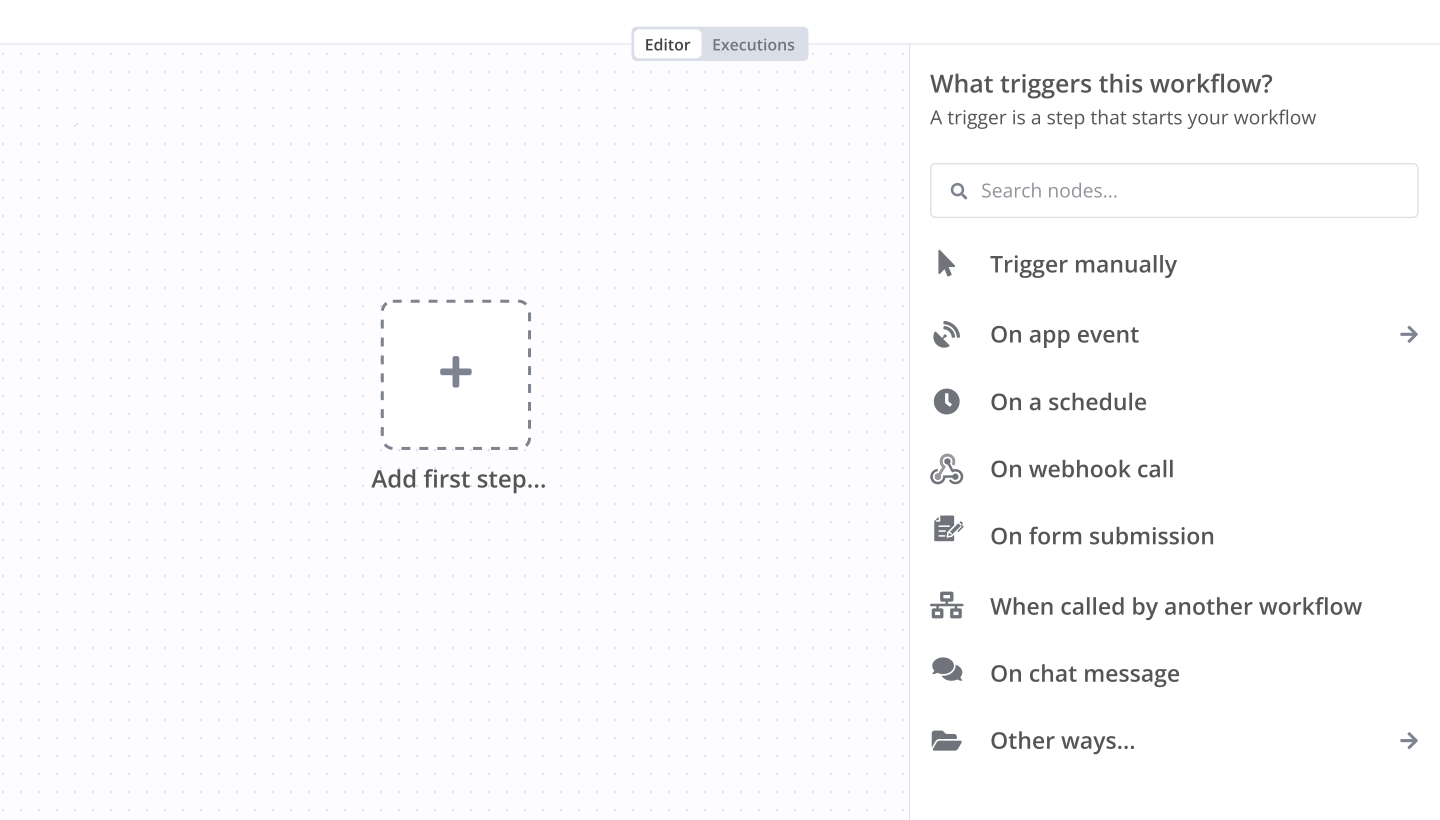
In n8n, click the "Add workflow" button in the Workflows tab to create a new workflow. Add the starting point – a trigger on when your workflow should run: an app event, a schedule, a webhook call, another workflow, an AI chat, or a manual trigger. Sometimes, the HTTP Request node might already serve as your starting point.

Airtable and Jira Software integration: Create a new workflow and add the first step

Step 2: Add and configure Airtable and Jira Software nodes

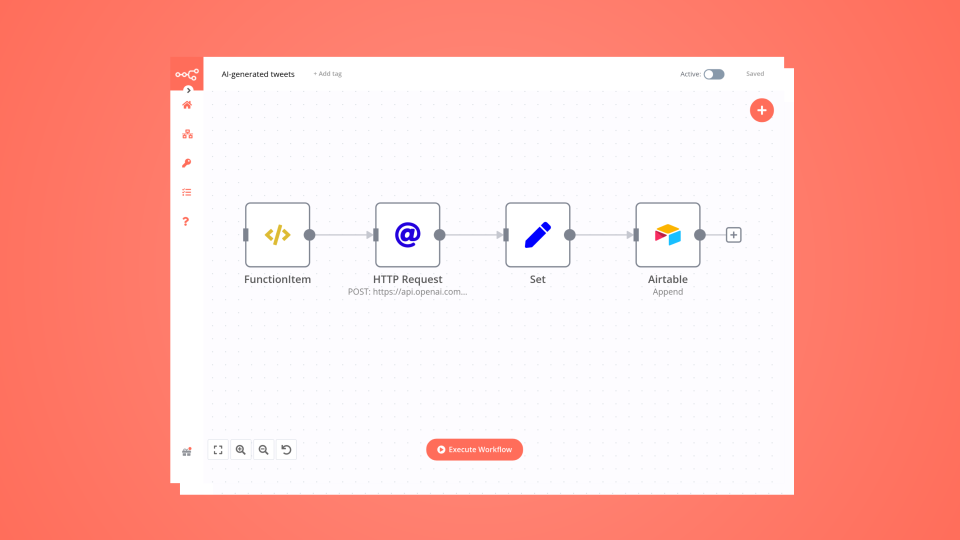
You can find Airtable and Jira Software in the nodes panel. Drag them onto your workflow canvas, selecting their actions. Click each node, choose a credential, and authenticate to grant n8n access. Configure Airtable and Jira Software nodes one by one: input data on the left, parameters in the middle, and output data on the right.

Airtable and Jira Software integration: Add and configure Airtable and Jira Software nodes

Step 3: Connect Airtable and Jira Software

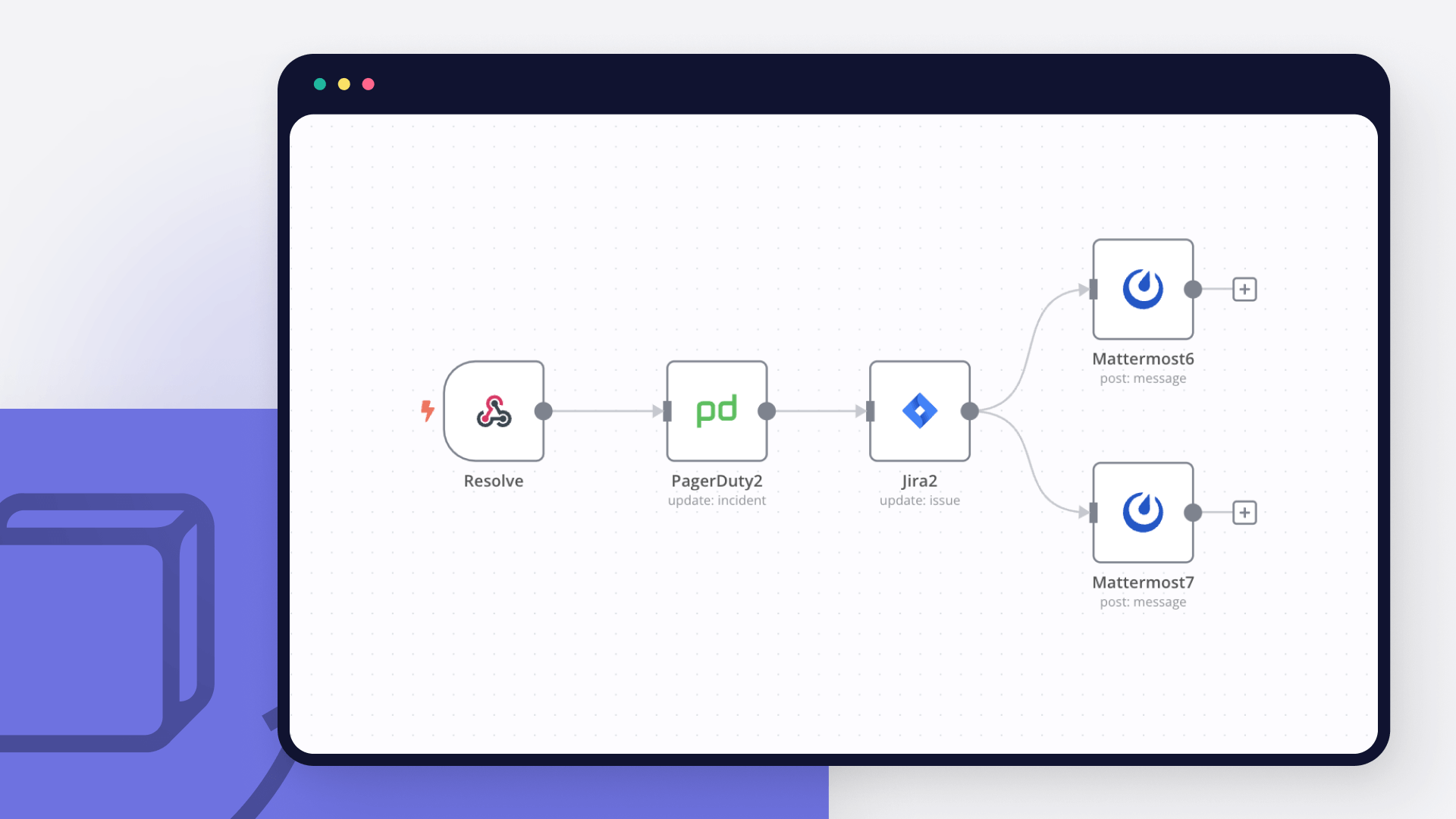
A connection establishes a link between Airtable and Jira Software (or vice versa) to route data through the workflow. Data flows from the output of one node to the input of another. You can have single or multiple connections for each node.

Airtable and Jira Software integration: Connect Airtable and Jira Software

Step 4: Customize and extend your Airtable and Jira Software integration

Use n8n's core nodes such as If, Split Out, Merge, and others to transform and manipulate data. Write custom JavaScript or Python in the Code node and run it as a step in your workflow. Connect Airtable and Jira Software with any of n8n’s 1000+ integrations, and incorporate advanced AI logic into your workflows.

Airtable and Jira Software integration: Customize and extend your Airtable and Jira Software integration

Step 5: Test and activate your Airtable and Jira Software workflow

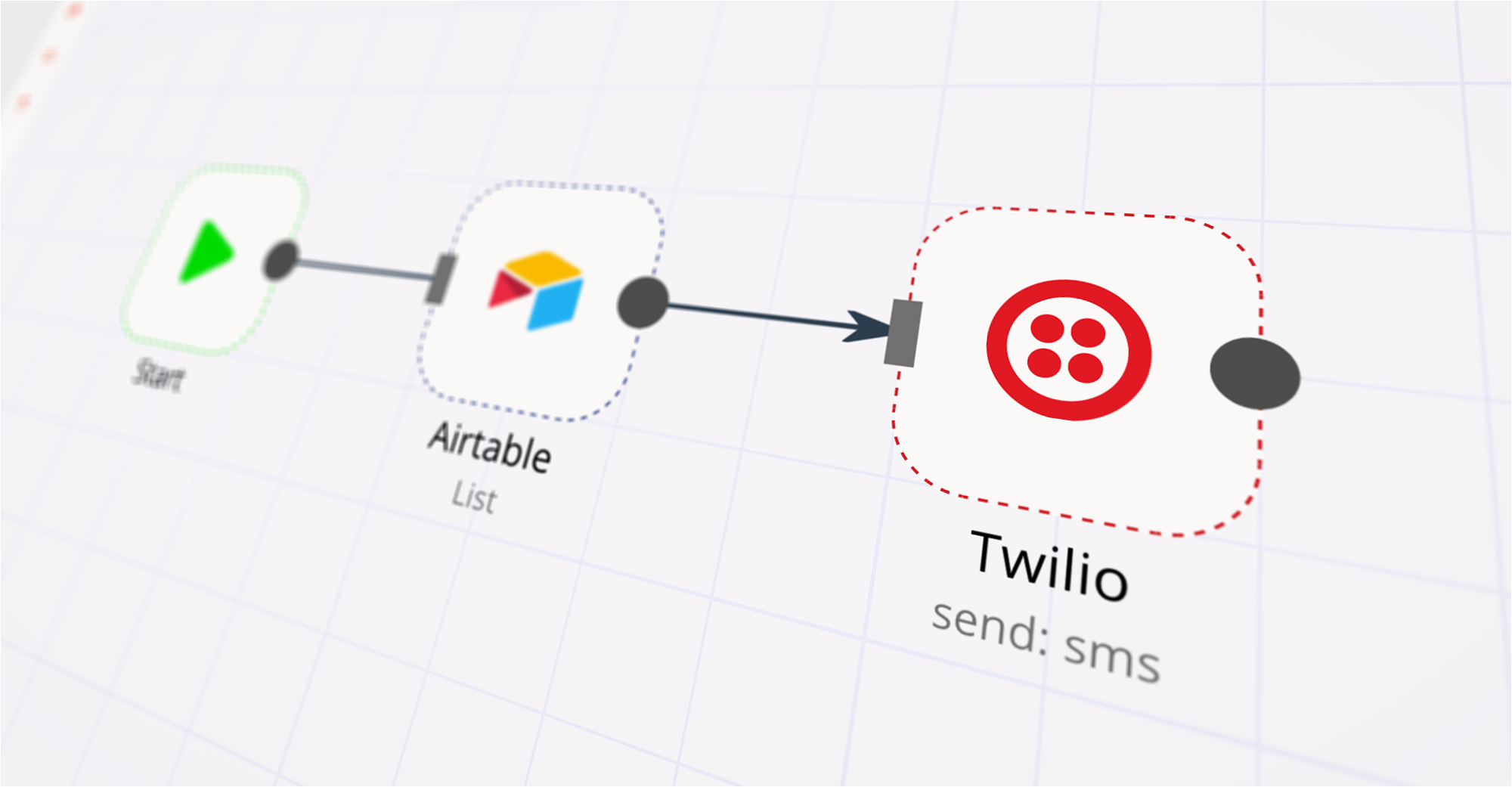
Save and run the workflow to see if everything works as expected. Based on your configuration, data should flow from Airtable to Jira Software or vice versa. Easily debug your workflow: you can check past executions to isolate and fix the mistake. Once you've tested everything, make sure to save your workflow and activate it.

Airtable and Jira Software integration: Test and activate your Airtable and Jira Software workflow

Automate vulnerability triage from Snyk with Jira, Slack & Airtable integration

Snyk Vulnerability Automation Workflow with Webhook, Jira, Slack & Airtable

This workflow receives vulnerability data(e.g., Snyk, Dependabot or any security scanner) from Snyk through a webhook, standardizes and validates the payload, checks Jira for duplicates using a unique vulnerability key, and either updates an existing Jira issue or creates a new one. It also sends real-time alerts to Slack and stores every new vulnerability in Airtable for reporting and auditing. The workflow ensures fast triage, prevents duplicate Jira tickets and centralizes all data for easy tracking.

Quick Start – Implementation Steps

Add the n8n Webhook URL to Snyk.
Configure Jira, Slack and Airtable credentials in n8n.
Adjust severity rules or Jira fields if required.
Activate the workflow — vulnerability triage becomes fully automated.
What It Does

This workflow automates how your team processes vulnerabilities reported by Snyk. When a new vulnerability arrives, the system first normalizes the payload into a clean, consistent format. It then validates required fields such as the vulnerability ID, CVSS score, title and URL. If anything is missing, the workflow instantly sends a Slack alert so the team can review.

If the payload is valid, the workflow assigns a severity level and generates a unique “vulnerability key.” This key is used to search Jira for existing issues. If a match is found, the workflow updates the existing Jira ticket and notifies the team. If no match exists, the workflow creates a brand-new Jira issue, sends a Slack alert and also writes the data into Airtable for centralized tracking and analytics.

This ensures accurate documentation, avoids duplicates and gives teams visibility through both Jira and Airtable.

Who’s It For

This workflow is ideal for:

DevOps and platform engineering teams
Security engineers
QA and development teams
Companies using Snyk for vulnerability scanning
Teams needing automated Jira creation and Airtable reporting
Requirements to Use This Workflow

To fully use this workflow, you need:

An n8n instance (cloud or self-hosted)
A Snyk webhook configured to send vulnerability notifications
A Jira Software Cloud account
A Slack workspace with bot permissions
An Airtable base and personal access token
Basic understanding of JSON fields
How It Works

Receive Vulnerability – Snyk posts data to an n8n webhook.
Normalize Payload – Converts inconsistent Snyk formats into a standard structure.
Validate Required Fields – Missing fields trigger a Slack alert.
Assign Severity – CVSS score is mapped to Low/Medium/High/Critical.
Generate Vulnerability Key – Used for deduplication (e.g., vuln-SNYK-12345).
Check Jira for Matches – Searches by label to detect duplicates.
Duplicate Handling – Updates existing Jira issue and sends Slack notification.
Create New Issue – If no duplicate exists, creates a new Jira ticket.
Store in Airtable – Adds a new vulnerability row for reporting and history.
Slack Alerts – Notifies the team of new or updated vulnerabilities.
Setup Steps

Import the workflow JSON file into n8n.
Configure credentials:
Jira
Slack
Airtable
Add the generated webhook URL inside your Snyk project settings.
Update Jira project ID, issue type, or description fields as needed.
Map Airtable fields (Title, CVSS, Severity, URL, Key, etc.).
Update Slack channel IDs.
Activate the workflow.
How To Customize Nodes

Customize Severity Rules

Modify the node that maps CVSS score ranges:

Change thresholds
Add custom severity levels
Map severity to Jira priority

Customize Jira Fields

Inside the Create or Update Jira Issue nodes, you can modify:

Project ID
Issue type
Labels
Description template
Assigned user
Customize Slack Messages

Adjust Slack text blocks to:

Change formatting
Add emojis or styling
Mention specific users or teams
Send different messages based on severity
Customize Airtable Storage

Update the Airtable node to:

Add new columns
Save timestamps
Link vulnerabilities to other Airtable tables
Store more metadata for reporting
Add-Ons (Optional Enhancements)

You can extend this workflow with:

Auto-close Jira tickets when Snyk marks vulnerabilities as “fixed”.
Severity-based Slack routing (e.g., Critical → #security-alerts).
Email notifications for high-risk vulnerabilities.
Google Sheets or Notion logging for long-term tracking.
Weekly summary report generated using OpenAI.
Mapping vulnerabilities to microservices or repositories.
Automated dashboards using Airtable Interfaces.
Use Case Examples

Automatic Vulnerability Triage – Instantly logs new Snyk findings into Jira.
Duplicate Prevention – Ensures every vulnerability is tracked only once.
Slack Alerts – Real-time notifications for new or updated issues.
Airtable Reporting – Creates a central, filterable database for analysis.
Security Team Automation – Reduces manual reviews and saves time.
Troubleshooting Guide

Issue Possible Cause Solution
Slack alert not sent Wrong API credentials or channel ID Re-check Slack configuration
Jira issue not created Incorrect project ID / issue type Update Jira node details
Duplicate detection not working Vulnerability key or label mismatch Confirm key generation and JQL settings
Airtable row not added Wrong base or field mapping Reconfigure Airtable node
Webhook not triggered Snyk not pointing to correct URL Re-add the n8n webhook in Snyk
Severity not correct CVSS parsing error Check normalization and mapping node

Need Help?

If you need help setting up this workflow, customizing the logic, integrating new nodes or adding advanced reporting, feel free to reach out to our n8n automation development team at WeblineIndia. We can help automate with advanced security processes, build dashboards, integrate additional tools or expand the workflow as per your business needs.

Nodes used in this workflow

Popular Airtable and Jira Software workflows

Automate Vulnerability Triage from Snyk with Jira, Slack & Airtable Integration

Snyk Vulnerability Automation Workflow with Webhook, Jira, Slack & Airtable This workflow receives vulnerability data(e.g., Snyk, Dependabot or any security scanner) from Snyk through a webhook, standardizes and validates the payload, checks Jira for duplicates using a unique vulnerability key, and either updates an existing Jira issue or creates a new one. It also sends real-time alerts to Slack and stores every new vulnerability in Airtable for reporting and auditing. The workflow ensures fast triage, prevents duplicate Jira tickets and centralizes all data for easy tracking. Quick Start – Implementation Steps Add the n8n Webhook URL to Snyk. Configure Jira, Slack and Airtable credentials in n8n. Adjust severity rules or Jira fields if required. Activate the workflow — vulnerability triage becomes fully automated. What It Does This workflow automates how your team processes vulnerabilities reported by Snyk. When a new vulnerability arrives, the system first normalizes the payload into a clean, consistent format. It then validates required fields such as the vulnerability ID, CVSS score, title and URL. If anything is missing, the workflow instantly sends a Slack alert so the team can review. If the payload is valid, the workflow assigns a severity level and generates a unique “vulnerability key.” This key is used to search Jira for existing issues. If a match is found, the workflow updates the existing Jira ticket and notifies the team. If no match exists, the workflow creates a brand-new Jira issue, sends a Slack alert and also writes the data into Airtable for centralized tracking and analytics. This ensures accurate documentation, avoids duplicates and gives teams visibility through both Jira and Airtable. Who’s It For This workflow is ideal for: DevOps and platform engineering teams Security engineers QA and development teams Companies using Snyk for vulnerability scanning Teams needing automated Jira creation and Airtable reporting Requirements to Use This Workflow To fully use this workflow, you need: An n8n instance (cloud or self-hosted) A Snyk webhook configured to send vulnerability notifications A Jira Software Cloud account A Slack workspace with bot permissions An Airtable base and personal access token Basic understanding of JSON fields How It Works Receive Vulnerability – Snyk posts data to an n8n webhook. Normalize Payload – Converts inconsistent Snyk formats into a standard structure. Validate Required Fields – Missing fields trigger a Slack alert. Assign Severity – CVSS score is mapped to Low/Medium/High/Critical. Generate Vulnerability Key – Used for deduplication (e.g., vuln-SNYK-12345). Check Jira for Matches – Searches by label to detect duplicates. Duplicate Handling – Updates existing Jira issue and sends Slack notification. Create New Issue – If no duplicate exists, creates a new Jira ticket. Store in Airtable – Adds a new vulnerability row for reporting and history. Slack Alerts – Notifies the team of new or updated vulnerabilities. Setup Steps Import the workflow JSON file into n8n. Configure credentials: Jira Slack Airtable Add the generated webhook URL inside your Snyk project settings. Update Jira project ID, issue type, or description fields as needed. Map Airtable fields (Title, CVSS, Severity, URL, Key, etc.). Update Slack channel IDs. Activate the workflow. How To Customize Nodes Customize Severity Rules Modify the node that maps CVSS score ranges: Change thresholds Add custom severity levels Map severity to Jira priority Customize Jira Fields Inside the Create or Update Jira Issue nodes, you can modify: Project ID Issue type Labels Description template Assigned user Customize Slack Messages Adjust Slack text blocks to: Change formatting Add emojis or styling Mention specific users or teams Send different messages based on severity Customize Airtable Storage Update the Airtable node to: Add new columns Save timestamps Link vulnerabilities to other Airtable tables Store more metadata for reporting Add-Ons (Optional Enhancements) You can extend this workflow with: Auto-close Jira tickets when Snyk marks vulnerabilities as “fixed”. Severity-based Slack routing (e.g., Critical → #security-alerts). Email notifications for high-risk vulnerabilities. Google Sheets or Notion logging for long-term tracking. Weekly summary report generated using OpenAI. Mapping vulnerabilities to microservices or repositories. Automated dashboards using Airtable Interfaces. Use Case Examples Automatic Vulnerability Triage – Instantly logs new Snyk findings into Jira. Duplicate Prevention – Ensures every vulnerability is tracked only once. Slack Alerts – Real-time notifications for new or updated issues. Airtable Reporting – Creates a central, filterable database for analysis. Security Team Automation – Reduces manual reviews and saves time. Troubleshooting Guide | Issue | Possible Cause | Solution | |-----------------------------|--------------------------------------------------|--------------------------------------------------------| | Slack alert not sent | Wrong API credentials or channel ID | Re-check Slack configuration | | Jira issue not created | Incorrect project ID / issue type | Update Jira node details | | Duplicate detection not working | Vulnerability key or label mismatch | Confirm key generation and JQL settings | | Airtable row not added | Wrong base or field mapping | Reconfigure Airtable node | | Webhook not triggered | Snyk not pointing to correct URL | Re-add the n8n webhook in Snyk | | Severity not correct | CVSS parsing error | Check normalization and mapping node | Need Help? If you need help setting up this workflow, customizing the logic, integrating new nodes or adding advanced reporting, feel free to reach out to our n8n automation development team at WeblineIndia. We can help automate with advanced security processes, build dashboards, integrate additional tools or expand the workflow as per your business needs.

Build your own Airtable and Jira Software integration

Create custom Airtable and Jira Software workflows by choosing triggers and actions. Nodes come with global operations and settings, as well as app-specific parameters that can be configured. You can also use the HTTP Request node to query data from any app or service with a REST API.

Airtable supported actions

Get Many
List all the bases
Get Schema
Get the schema of the tables in a base
Create
Create a new record in a table
Create or Update
Create a new record, or update the current one if it already exists (upsert)
Delete
Delete a record from a table
Get
Retrieve a record from a table
Search
Search for specific records or list all
Update
Update a record in a table

Jira Software supported actions

Changelog
Get issue changelog
Create
Create a new issue
Delete
Delete an issue
Get
Get an issue
Get Many
Get many issues
Notify
Create an email notification for an issue and add it to the mail queue
Status
Return either all transitions or a transition that can be performed by the user on an issue, based on the issue's status
Update
Update an issue
Add
Add attachment to issue
Get
Get an attachment
Get Many
Get many attachments
Remove
Remove an attachment
Add
Add comment to issue
Get
Get a comment
Get Many
Get many comments
Remove
Remove a comment
Update
Update a comment
Create
Create a new user
Delete
Delete a user
Get
Retrieve a user

FAQs

  • Can Airtable connect with Jira Software?

  • Can I use Airtable’s API with n8n?

  • Can I use Jira Software’s API with n8n?

  • Is n8n secure for integrating Airtable and Jira Software?

  • How to get started with Airtable and Jira Software integration in n8n.io?

Need help setting up your Airtable and Jira Software integration?

Discover our latest community's recommendations and join the discussions about Airtable and Jira Software integration.
Michael Wells

Looking to integrate Airtable and Jira Software in your company?

Over 3000 companies switch to n8n every single week

Why use n8n to integrate Airtable with Jira Software

Build complex workflows, really fast

Build complex workflows, really fast

Handle branching, merging and iteration easily.
Pause your workflow to wait for external events.

Code when you need it, UI when you don't

Simple debugging

Your data is displayed alongside your settings, making edge cases easy to track down.

Use templates to get started fast

Use 1000+ workflow templates available from our core team and our community.

Reuse your work

Copy and paste, easily import and export workflows.

Implement complex processes faster with n8n

red iconyellow iconred iconyellow icon