Back to Integrations
integrationGmail node
integrationPushover node

Gmail and Pushover integration

Save yourself the work of writing custom integrations for Gmail and Pushover and use n8n instead. Build adaptable and scalable Communication, and HITL workflows that work with your technology stack. All within a building experience you will love.

How to connect Gmail and Pushover

  • Step 1: Create a new workflow
  • Step 2: Add and configure nodes
  • Step 3: Connect
  • Step 4: Customize and extend your integration
  • Step 5: Test and activate your workflow

Step 1: Create a new workflow and add the first step

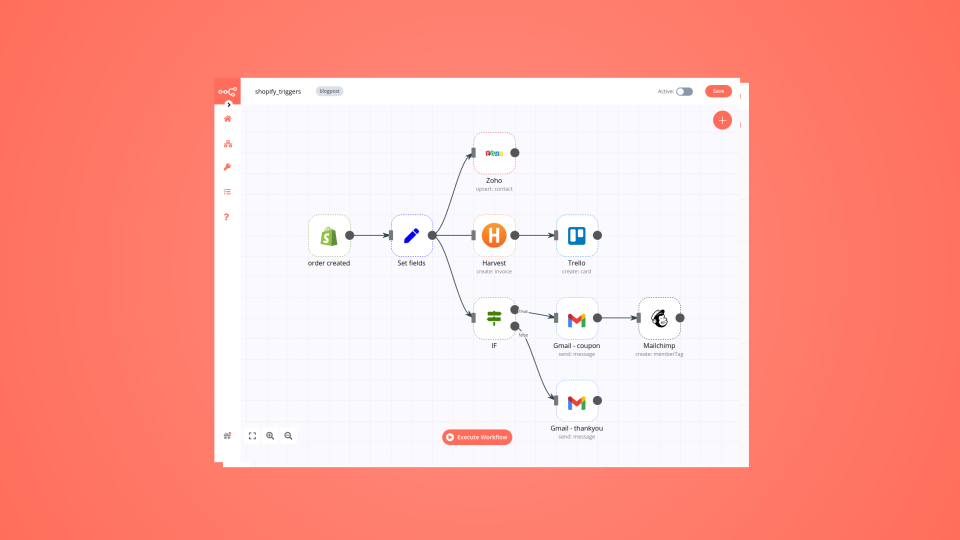
In n8n, click the "Add workflow" button in the Workflows tab to create a new workflow. Add the starting point – a trigger on when your workflow should run: an app event, a schedule, a webhook call, another workflow, an AI chat, or a manual trigger. Sometimes, the HTTP Request node might already serve as your starting point.
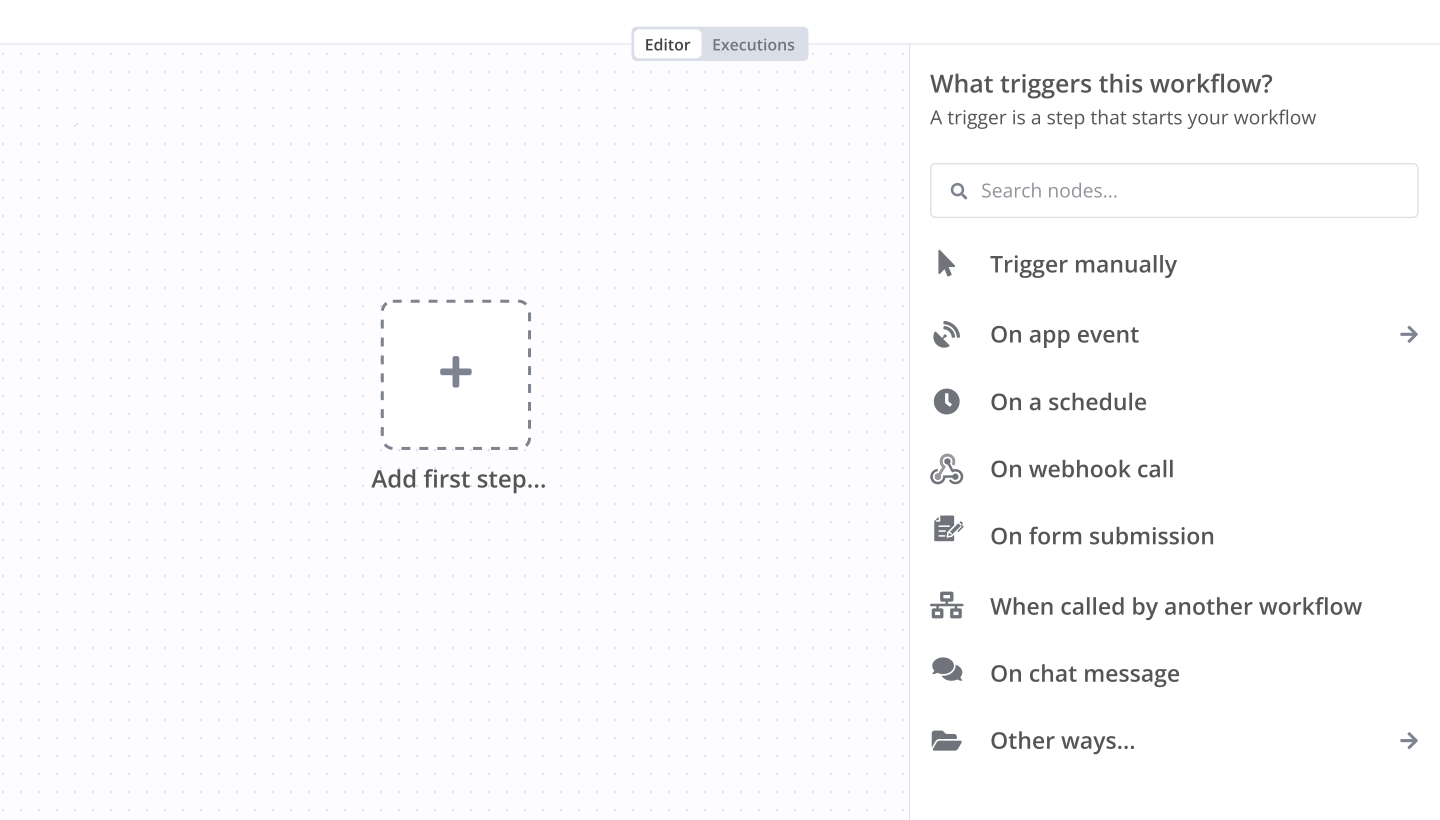
Gmail and Pushover integration: Create a new workflow and add the first step

Step 2: Add and configure Gmail and Pushover nodes

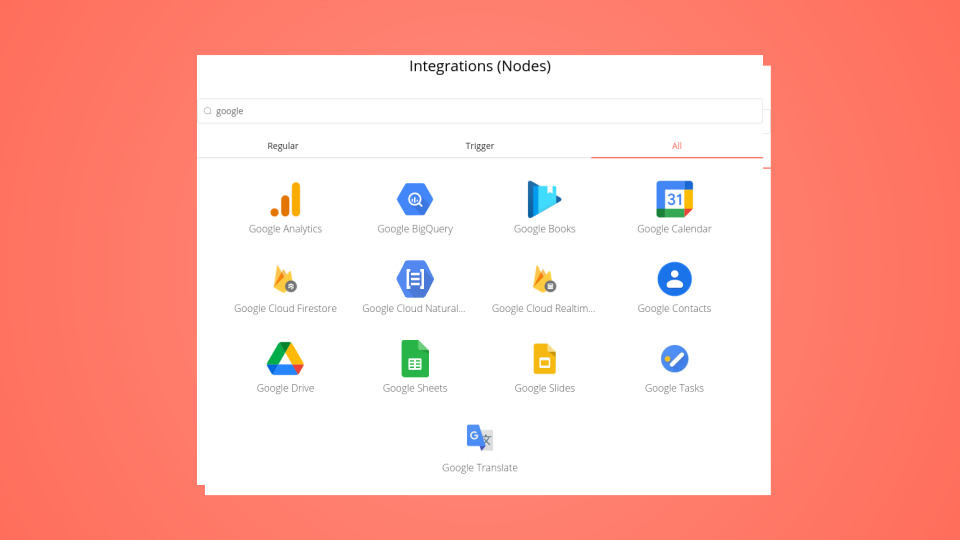
You can find Gmail and Pushover in the nodes panel. Drag them onto your workflow canvas, selecting their actions. Click each node, choose a credential, and authenticate to grant n8n access. Configure Gmail and Pushover nodes one by one: input data on the left, parameters in the middle, and output data on the right.

Gmail and Pushover integration: Add and configure Gmail and Pushover nodes

Step 3: Connect Gmail and Pushover

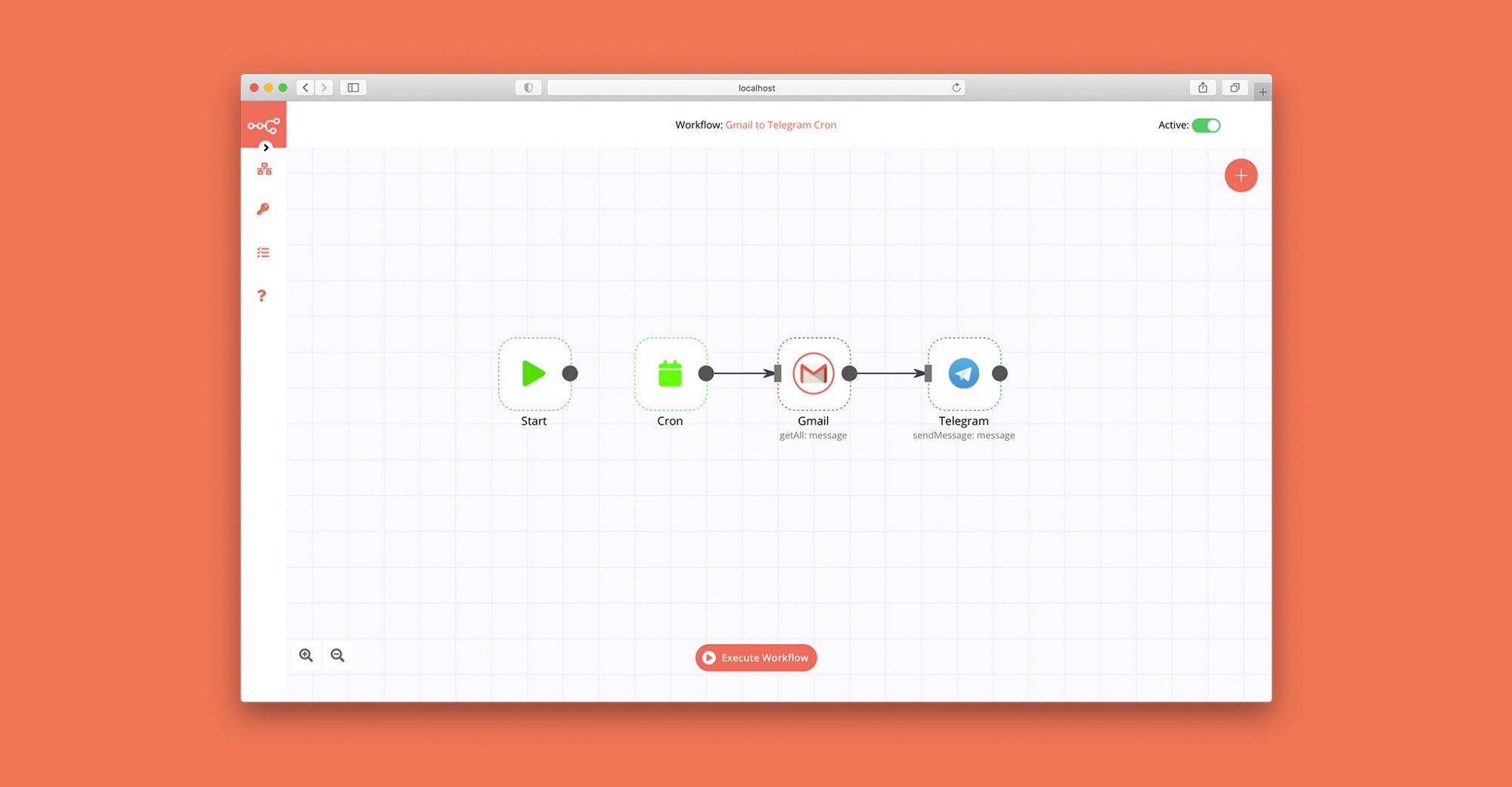
A connection establishes a link between Gmail and Pushover (or vice versa) to route data through the workflow. Data flows from the output of one node to the input of another. You can have single or multiple connections for each node.

Gmail and Pushover integration: Connect Gmail and Pushover

Step 4: Customize and extend your Gmail and Pushover integration

Use n8n's core nodes such as If, Split Out, Merge, and others to transform and manipulate data. Write custom JavaScript or Python in the Code node and run it as a step in your workflow. Connect Gmail and Pushover with any of n8n’s 1000+ integrations, and incorporate advanced AI logic into your workflows.

Gmail and Pushover integration: Customize and extend your Gmail and Pushover integration

Step 5: Test and activate your Gmail and Pushover workflow

Save and run the workflow to see if everything works as expected. Based on your configuration, data should flow from Gmail to Pushover or vice versa. Easily debug your workflow: you can check past executions to isolate and fix the mistake. Once you've tested everything, make sure to save your workflow and activate it.

Gmail and Pushover integration: Test and activate your Gmail and Pushover workflow

Monitor TP-Link Omada network disconnections with Gmail & Pushover

Monitor device disconnections from Omada emails to Google Sheets with Pushover alerts

Who’s it for
This workflow is designed for IT admins, network engineers, or small business owners who need to automatically monitor device connectivity from Omada Controller email alerts. If you want a lightweight, low-cost solution for tracking device uptime without complex monitoring software, this template is for you.

How it works
The workflow listens for Omada Controller email alerts using Gmail, parses each email, and logs device connection status (connected/disconnected) into Google Sheets. Every 5 minutes, it checks for devices that have been disconnected for more than 30 minutes. If a device has not reconnected, the workflow sends a push notification via Pushover. Old logs are cleared automatically every 2 days to keep the sheet clean.

Workflow Overview
The workflow is broken into three main parts:

  1. Email Processing (Receives Alert -> Append Row in Sheet)
    Triggered whenever a new email is received. It uses a Code node to parse the raw text of the email, extracting details like device name, MAC address, and connection status. This data is formatted and appended as a new row to Google Sheets, creating a comprehensive log of all connection events.

Important: In the Gmail trigger node, make sure to set the search field or filter so that it only matches the subject line used by Omada Controller alert emails. This ensures the workflow only processes the intended alerts and not unrelated emails.

  1. Disconnected Device Alerting (Check Every 5 minutes -> Alert User)
    Runs every 5 minutes. It reads the device log from Google Sheets, identifies the most recent status for each device, and filters for devices currently disconnected. If a device has been disconnected for more than 30 minutes, a high-priority push notification is sent to Pushover account. Once sent, the workflow updates the corresponding row in the Google Sheet to prevent duplicate alerts.

  2. Data Maintenance (Clear Rows Every 2 days -> Clear sheet)
    Runs every two days to clean up the Google Sheet by deleting the oldest rows, keeping the log from growing too large.

Services and Dependencies
To run this workflow, you’ll need the following services connected to n8n:

Google Sheets**: Logs all connection events and tracks device status
Gmail**: Acts as the trigger, listening for Omada Controller alerts
Pushover**: Sends real-time, high-priority push notifications to mobile devices

Setup Instructions

  1. Create a Google Sheet Log
    Create a new Google Sheet in your Google Drive
    Name it something like Omada Device Log
    Add these headers in the first row:

exact spelling and order is crucial
rowId, timestamp, timestampISO, category, severity, mac, name, type, status, checkAfter, alertSent, timeStampFormated

  1. Configure Credentials
    Google Sheets**: Create a new OAuth2 credential in n8n
    Gmail**: Create a new OAuth2 credential (must receive Omada alerts)
    Pushover**: Create a new API credential and get user keys for each recipient

  2. Import the Workflow
    Copy the JSON workflow file
    In n8n: click New → Import from JSON
    Paste the JSON code

  3. Update the Nodes
    Receives Alert**: Link it to your Gmail credential
    Append Row in Sheet, Get Row(s) in Sheet, Update Alert, Clear sheet**: Replace YOUR_GOOGLE_SHEET_ID with your Google Sheet’s ID (found in the sheet URL between /d/ and /edit)
    Alert User**: Replace YOUR_PUSHOVER_USER_KEY with your Pushover user keys

Node Breakdown
Receives Alert** (Gmail Trigger): Listens for new emails
Process Email and Extract** (Code): Parses email and extracts structured data (timestamps, device info, status)
Append Row in Sheet** (Google Sheets): Adds a new row to your log
Check Every 5 minutes** (Schedule Trigger): Runs regularly to check device status
Get Row(s) in Sheet** (Google Sheets): Reads log to get latest status per device
Check Device and Notify** (Code): Groups rows by MAC, filters disconnected devices past 30 minutes
Alert User** (Pushover): Sends formatted push notification with device details
Update Alert** (Google Sheets): Marks the row as alerted to prevent duplicates
Clear Rows Every 2 days** (Schedule Trigger): Runs maintenance
Clear sheet** (Google Sheets): Deletes old rows, preserves header

Nodes used in this workflow

Popular Gmail and Pushover workflows

Monitor TP-Link Omada Network Disconnections with Gmail & Pushover

Monitor device disconnections from Omada emails to Google Sheets with Pushover alerts Who’s it for This workflow is designed for IT admins, network engineers, or small business owners who need to automatically monitor device connectivity from Omada Controller email alerts. If you want a lightweight, low-cost solution for tracking device uptime without complex monitoring software, this template is for you. How it works The workflow listens for Omada Controller email alerts using Gmail, parses each email, and logs device connection status (connected/disconnected) into Google Sheets. Every 5 minutes, it checks for devices that have been disconnected for more than 30 minutes. If a device has not reconnected, the workflow sends a push notification via Pushover. Old logs are cleared automatically every 2 days to keep the sheet clean. Workflow Overview The workflow is broken into three main parts: Email Processing (Receives Alert -> Append Row in Sheet) Triggered whenever a new email is received. It uses a Code node to parse the raw text of the email, extracting details like device name, MAC address, and connection status. This data is formatted and appended as a new row to Google Sheets, creating a comprehensive log of all connection events. Important: In the Gmail trigger node, make sure to set the search field or filter so that it only matches the subject line used by Omada Controller alert emails. This ensures the workflow only processes the intended alerts and not unrelated emails. Disconnected Device Alerting (Check Every 5 minutes -> Alert User) Runs every 5 minutes. It reads the device log from Google Sheets, identifies the most recent status for each device, and filters for devices currently disconnected. If a device has been disconnected for more than 30 minutes, a high-priority push notification is sent to Pushover account. Once sent, the workflow updates the corresponding row in the Google Sheet to prevent duplicate alerts. Data Maintenance (Clear Rows Every 2 days -> Clear sheet) Runs every two days to clean up the Google Sheet by deleting the oldest rows, keeping the log from growing too large. Services and Dependencies To run this workflow, you’ll need the following services connected to n8n: Google Sheets**: Logs all connection events and tracks device status Gmail**: Acts as the trigger, listening for Omada Controller alerts Pushover**: Sends real-time, high-priority push notifications to mobile devices Setup Instructions Create a Google Sheet Log Create a new Google Sheet in your Google Drive Name it something like Omada Device Log Add these headers in the first row: exact spelling and order is crucial rowId, timestamp, timestampISO, category, severity, mac, name, type, status, checkAfter, alertSent, timeStampFormated Configure Credentials Google Sheets**: Create a new OAuth2 credential in n8n Gmail**: Create a new OAuth2 credential (must receive Omada alerts) Pushover**: Create a new API credential and get user keys for each recipient Import the Workflow Copy the JSON workflow file In n8n: click New → Import from JSON Paste the JSON code Update the Nodes Receives Alert**: Link it to your Gmail credential Append Row in Sheet, Get Row(s) in Sheet, Update Alert, Clear sheet**: Replace YOUR_GOOGLE_SHEET_ID with your Google Sheet’s ID (found in the sheet URL between /d/ and /edit) Alert User**: Replace YOUR_PUSHOVER_USER_KEY with your Pushover user keys Node Breakdown Receives Alert** (Gmail Trigger): Listens for new emails Process Email and Extract** (Code): Parses email and extracts structured data (timestamps, device info, status) Append Row in Sheet** (Google Sheets): Adds a new row to your log Check Every 5 minutes** (Schedule Trigger): Runs regularly to check device status Get Row(s) in Sheet** (Google Sheets): Reads log to get latest status per device Check Device and Notify** (Code): Groups rows by MAC, filters disconnected devices past 30 minutes Alert User** (Pushover): Sends formatted push notification with device details Update Alert** (Google Sheets): Marks the row as alerted to prevent duplicates Clear Rows Every 2 days** (Schedule Trigger): Runs maintenance Clear sheet** (Google Sheets): Deletes old rows, preserves header

Build your own Gmail and Pushover integration

Create custom Gmail and Pushover workflows by choosing triggers and actions. Nodes come with global operations and settings, as well as app-specific parameters that can be configured. You can also use the HTTP Request node to query data from any app or service with a REST API.

Gmail supported actions

Add Label
Delete
Get
Get Many
Mark as Read
Mark as Unread
Remove Label
Reply
Send
Send and Wait for Response
Create
Delete
Get
Get Many
Create
Delete
Get
Get Many
Add Label
Delete
Get
Get Many
Remove Label
Reply
Trash
Untrash

Pushover supported actions

Push

FAQs

  • Can Gmail connect with Pushover?

  • Can I use Gmail’s API with n8n?

  • Can I use Pushover’s API with n8n?

  • Is n8n secure for integrating Gmail and Pushover?

  • How to get started with Gmail and Pushover integration in n8n.io?

Need help setting up your Gmail and Pushover integration?

Discover our latest community's recommendations and join the discussions about Gmail and Pushover integration.
jake chard
Jan Koch
Paul Kennard

Looking to integrate Gmail and Pushover in your company?

Over 3000 companies switch to n8n every single week

Why use n8n to integrate Gmail with Pushover

Build complex workflows, really fast
Build complex workflows, really fast

Handle branching, merging and iteration easily.
Pause your workflow to wait for external events.

Code when you need it, UI when you don't

Simple debugging

Your data is displayed alongside your settings, making edge cases easy to track down.

Use templates to get started fast

Use 1000+ workflow templates available from our core team and our community.

Reuse your work

Copy and paste, easily import and export workflows.

Implement complex processes faster with n8n

red iconyellow iconred iconyellow icon