Back to Integrations
integrationGoogle Sheets node
integrationMicrosoft SQL node

Google Sheets and Microsoft SQL integration

Save yourself the work of writing custom integrations for Google Sheets and Microsoft SQL and use n8n instead. Build adaptable and scalable Data & Storage, Productivity, and Development workflows that work with your technology stack. All within a building experience you will love.

How to connect Google Sheets and Microsoft SQL

  • Step 1: Create a new workflow
  • Step 2: Add and configure nodes
  • Step 3: Connect
  • Step 4: Customize and extend your integration
  • Step 5: Test and activate your workflow

Step 1: Create a new workflow and add the first step

In n8n, click the "Add workflow" button in the Workflows tab to create a new workflow. Add the starting point – a trigger on when your workflow should run: an app event, a schedule, a webhook call, another workflow, an AI chat, or a manual trigger. Sometimes, the HTTP Request node might already serve as your starting point.
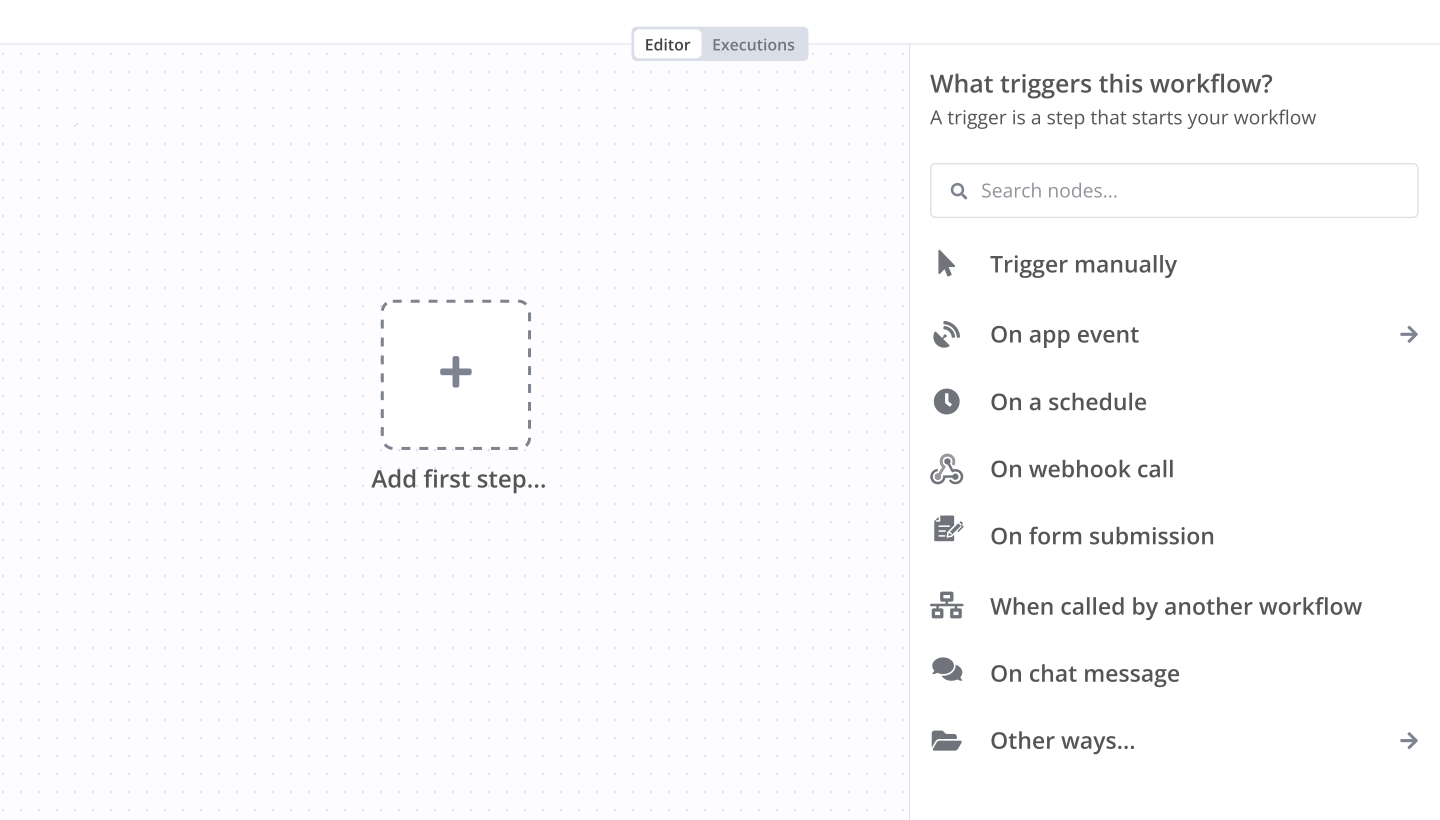
Google Sheets and Microsoft SQL integration: Create a new workflow and add the first step

Step 2: Add and configure Google Sheets and Microsoft SQL nodes

You can find Google Sheets and Microsoft SQL in the nodes panel. Drag them onto your workflow canvas, selecting their actions. Click each node, choose a credential, and authenticate to grant n8n access. Configure Google Sheets and Microsoft SQL nodes one by one: input data on the left, parameters in the middle, and output data on the right.

Google Sheets and Microsoft SQL integration: Add and configure Google Sheets and Microsoft SQL nodes

Step 3: Connect Google Sheets and Microsoft SQL

A connection establishes a link between Google Sheets and Microsoft SQL (or vice versa) to route data through the workflow. Data flows from the output of one node to the input of another. You can have single or multiple connections for each node.

Google Sheets and Microsoft SQL integration: Connect Google Sheets and Microsoft SQL

Step 4: Customize and extend your Google Sheets and Microsoft SQL integration

Use n8n's core nodes such as If, Split Out, Merge, and others to transform and manipulate data. Write custom JavaScript or Python in the Code node and run it as a step in your workflow. Connect Google Sheets and Microsoft SQL with any of n8n’s 1000+ integrations, and incorporate advanced AI logic into your workflows.

Google Sheets and Microsoft SQL integration: Customize and extend your Google Sheets and Microsoft SQL integration

Step 5: Test and activate your Google Sheets and Microsoft SQL workflow

Save and run the workflow to see if everything works as expected. Based on your configuration, data should flow from Google Sheets to Microsoft SQL or vice versa. Easily debug your workflow: you can check past executions to isolate and fix the mistake. Once you've tested everything, make sure to save your workflow and activate it.

Google Sheets and Microsoft SQL integration: Test and activate your Google Sheets and Microsoft SQL workflow

Flexible currency rate uploads for SAP B1 with AI validation & multiple sources

This workflow automates currency rate uploads into SAP Business One via Service Layer, using flexible input sources such as JSON (API), SQL Server, Google Sheets, or manual values. It leverages logic branching, AI validation, and logging for complete control and traceability.

++⚙️ HOW IT WORKS:++
🔹 1. Receive Data via Webhook

The workflow listens on the endpoint /formulario-datos via HTTP POST.

The request body should include:

origen: one of JSON, SQL, GoogleSheets, or Manual

Depending on the value, the flow branches accordingly.

🔹 2. Authenticate with SAP Business One

A POST request is sent to SAP B1’s Login endpoint.

A session cookie (B1SESSION) is retrieved and used in all subsequent API calls.

🔹 3. Switch by Origin
The flow branches into four processing paths based on origen:

JSON:

The payload is normalized using OpenAI to extract an array of rates.

Each rate is sent to SAP individually after parsing.

SQL:

The SQL query provided in the payload is executed on a connected Microsoft SQL Server.

The results are checked by AI to validate the date format.

If valid, rates are sent to SAP.

GoogleSheets:

Rates are pulled from a connected spreadsheet.

Each entry is sent to SAP in sequence.

Manual:

Uses currency, rate, and rateDate directly from the webhook payload.

Sends the result directly to SAP.

🔹 4. AI-Powered Enhancements (Optional but enabled)

Normalize JSON:
Uses OpenAI (LangChain node) to convert any messy structure into a uniform array under the key rate.

Date Formatting:
Another OpenAI call ensures RateDate is in yyyyMMdd format (required by SAP), converting from ISO, timestamp, or other formats.

🔹 5. Send to SAP Business One (Service Layer)
All paths send a POST request to:

/SBOBobService_SetCurrencyRate
With a payload such as:

{
"Currency": "USD",
"Rate": "0.92",
"RateDate": "20250612"
}

🔹 6. Log Results

All success/failure results are appended to a Google Sheets log (LOGS_N8N)

The log includes method, URL, sent payload, status code, and message.

++🛠 SETUP STEPS:++

1️⃣ Create Required Credentials:
Go to Credentials > + New Credential and configure:

SAP Business One (Service Layer)

Type: HTTP Request Auth or Token

Base URL: https://<your-host>:50000/b1s/v1/

Provide Username, Password, and CompanyDB via variables or fields

Google Sheets

OAuth2 connection to a Google account with access

Microsoft SQL Server

SQL login credentials and host

OpenAI

API key with access to models like GPT-4o

2️⃣ Environment Variables (Recommended)
Set these variables in n8n → Settings → Variables:

SAP_URL=https://<host>:50000/b1s/v1/
SAP_USER=your_username
SAP_PASSWORD=your_password
SAP_COMPANY_DB=your_companyDB

3️⃣ Prepare Google Sheets
Sheet 1: RATE (for charging the data)

Columns: Currency, Rate, RateDate

Sheet 2: LOGS_N8N (to save the logs, success or failed)

Columns: workflow, method, url, json, status_code, message

4️⃣ Activate and Test
Deploy the webhook and grab the URL.

++✅ BONUS++
Built-in AI assistance for input validation and structure

Logs all results for compliance and audit

Flexible integration paths: perfect for hybrid or transitional systems

Nodes used in this workflow

Popular Google Sheets and Microsoft SQL workflows

Flexible Currency Rate Uploads for SAP B1 with AI Validation & Multiple Sources

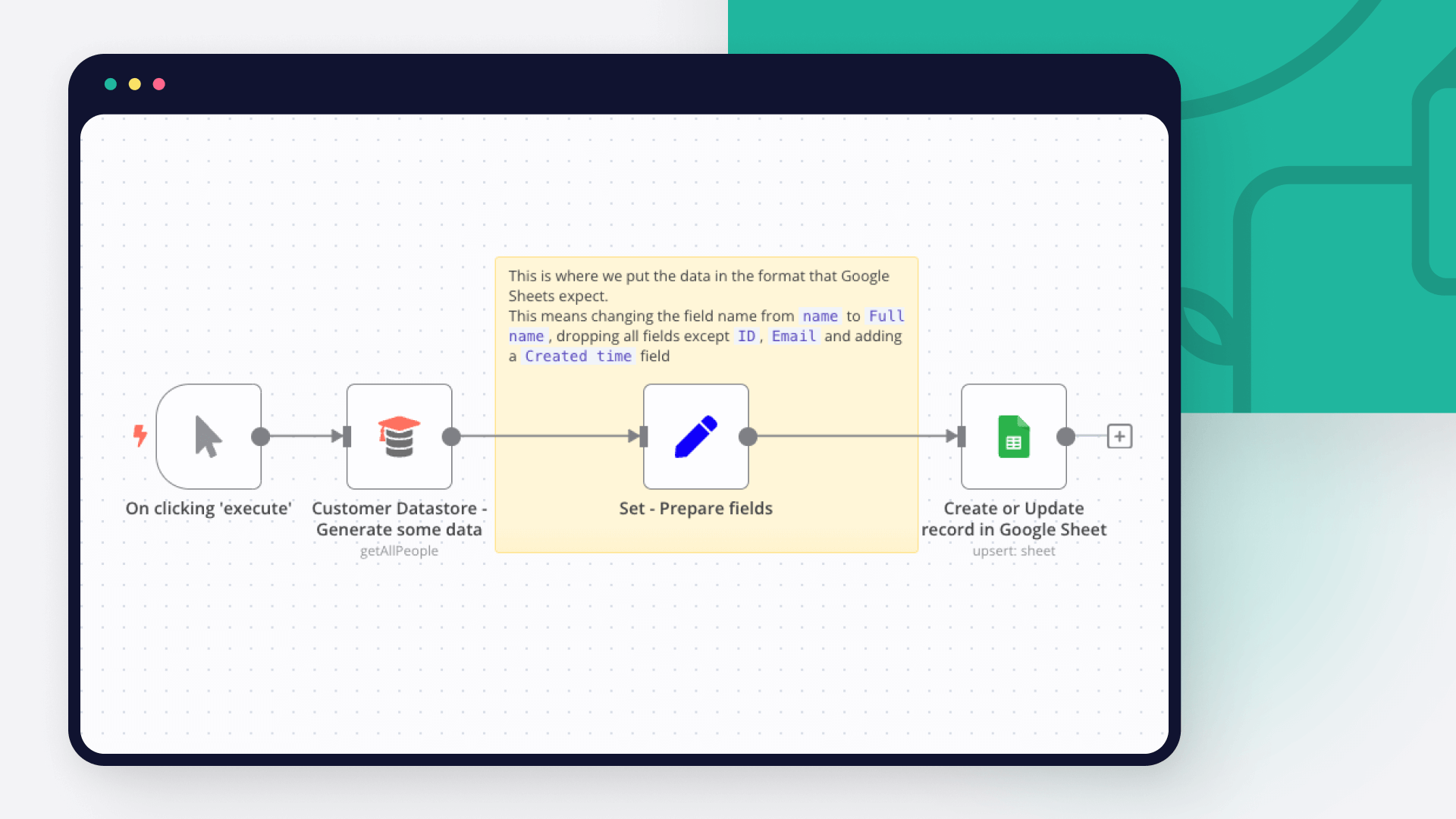
This workflow automates currency rate uploads into SAP Business One via Service Layer, using flexible input sources such as JSON (API), SQL Server, Google Sheets, or manual values. It leverages logic branching, AI validation, and logging for complete control and traceability. ++⚙️ HOW IT WORKS:++ 🔹 1. Receive Data via Webhook The workflow listens on the endpoint /formulario-datos via HTTP POST. The request body should include: origen: one of JSON, SQL, GoogleSheets, or Manual Depending on the value, the flow branches accordingly. 🔹 2. Authenticate with SAP Business One A POST request is sent to SAP B1’s Login endpoint. A session cookie (B1SESSION) is retrieved and used in all subsequent API calls. 🔹 3. Switch by Origin The flow branches into four processing paths based on origen: JSON: The payload is normalized using OpenAI to extract an array of rates. Each rate is sent to SAP individually after parsing. SQL: The SQL query provided in the payload is executed on a connected Microsoft SQL Server. The results are checked by AI to validate the date format. If valid, rates are sent to SAP. GoogleSheets: Rates are pulled from a connected spreadsheet. Each entry is sent to SAP in sequence. Manual: Uses currency, rate, and rateDate directly from the webhook payload. Sends the result directly to SAP. 🔹 4. AI-Powered Enhancements (Optional but enabled) Normalize JSON: Uses OpenAI (LangChain node) to convert any messy structure into a uniform array under the key rate. Date Formatting: Another OpenAI call ensures RateDate is in yyyyMMdd format (required by SAP), converting from ISO, timestamp, or other formats. 🔹 5. Send to SAP Business One (Service Layer) All paths send a POST request to: /SBOBobService_SetCurrencyRate With a payload such as: { "Currency": "USD", "Rate": "0.92", "RateDate": "20250612" } 🔹 6. Log Results All success/failure results are appended to a Google Sheets log (LOGS_N8N) The log includes method, URL, sent payload, status code, and message. ++🛠 SETUP STEPS:++ 1️⃣ Create Required Credentials: Go to Credentials > + New Credential and configure: SAP Business One (Service Layer) Type: HTTP Request Auth or Token Base URL: https://<your-host>:50000/b1s/v1/ Provide Username, Password, and CompanyDB via variables or fields Google Sheets OAuth2 connection to a Google account with access Microsoft SQL Server SQL login credentials and host OpenAI API key with access to models like GPT-4o 2️⃣ Environment Variables (Recommended) Set these variables in n8n → Settings → Variables: SAP_URL=https://<host>:50000/b1s/v1/ SAP_USER=your_username SAP_PASSWORD=your_password SAP_COMPANY_DB=your_companyDB 3️⃣ Prepare Google Sheets Sheet 1: RATE (for charging the data) Columns: Currency, Rate, RateDate Sheet 2: LOGS_N8N (to save the logs, success or failed) Columns: workflow, method, url, json, status_code, message 4️⃣ Activate and Test Deploy the webhook and grab the URL. ++✅ BONUS++ Built-in AI assistance for input validation and structure Logs all results for compliance and audit Flexible integration paths: perfect for hybrid or transitional systems
+4

Automated Business KPI Insights with GPT-4, MSSQL, Analytics & Multi-Channel Alerts

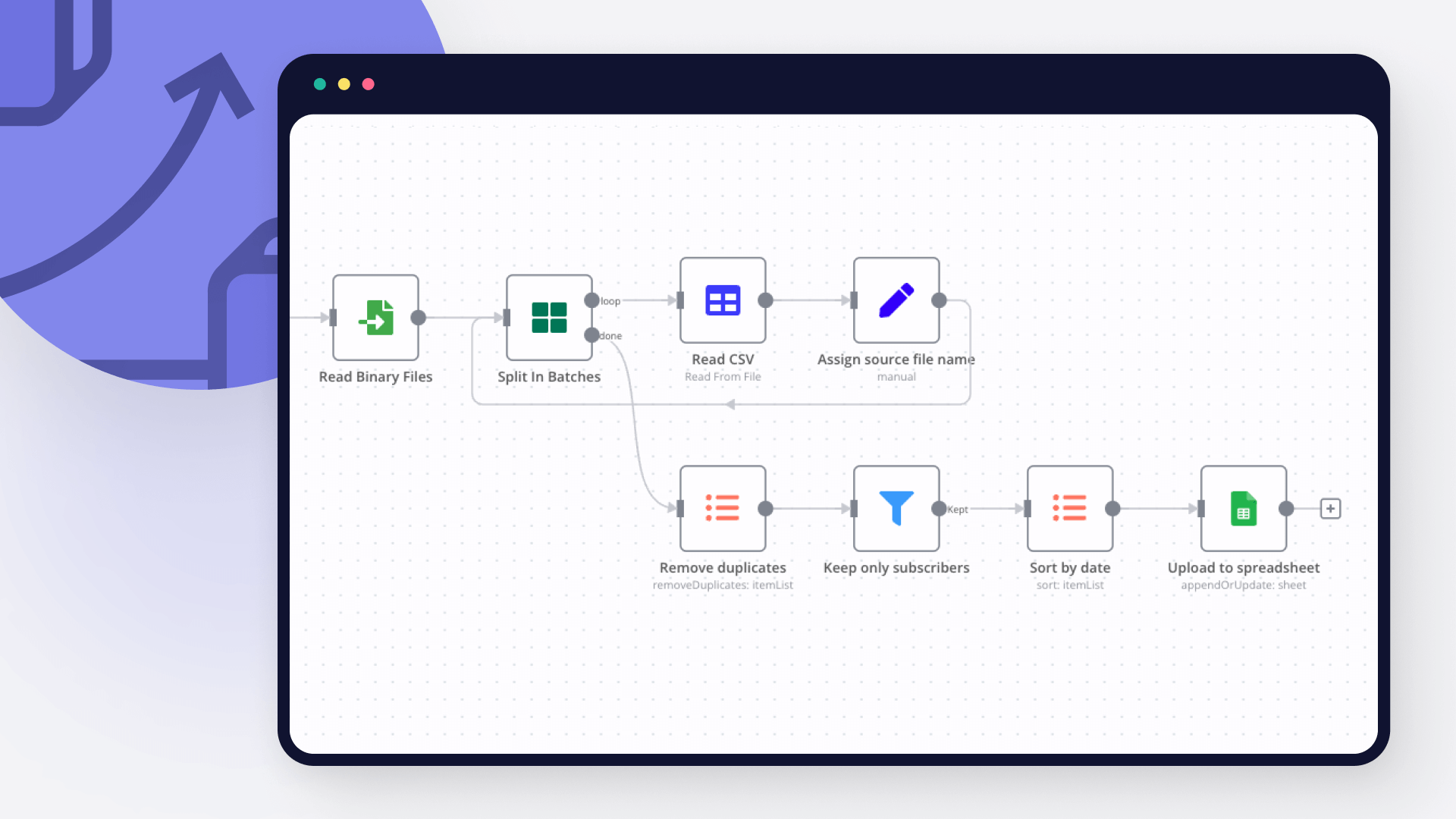
WORKFLOW OVERVIEW This workflow is an AI-powered business intelligence agent designed for founders and business owners. It automatically collects key business metrics, calculates performance KPIs, applies decision logic, uses AI reasoning, and sends clear, actionable notifications — without dashboards or manual reports. Key Features: ✅ Aggregates multiple data sources (MSSQL, Google Analytics, Google Sheets) ✅ Calculates critical KPIs: ROAS, CAC, Revenue & User Growth ✅ Applies rule-based decision logic for business risk and opportunity detection ✅ AI-powered reasoning: summarizes insights and recommends actions ✅ Multi-channel notifications: Email, WhatsApp, Slack, Telegram ✅ Fully automated daily execution via Cron trigger ✅ Enterprise-ready: error handling, structured data, KPI validation Setup & Requirements: API access to data sources (MSSQL, Google Analytics, Google Sheets) OpenAI or Google Gemini API for AI reasoning Messaging integration: Gmail, Twilio (WhatsApp), Slack, Telegram Workflow Flow: Cron Trigger – runs daily at a chosen time Data Collection – revenue, users, marketing spend, website analytics Merge Node – combines all data sources Function Node – consolidates into a single JSON object KPI Calculation – calculates ROAS, CAC, growth rates Business Logic Engine – identifies risks and opportunities AI Reasoning Agent – summarizes insights, suggests actions Notification Formatter – builds founder-friendly message Notification Delivery – sends via WhatsApp, Email, Slack, or Telegram Example Data Formation These data below Getting from all different channels. `{ "revenue": 4290, "registeredUsers": 20, "totalUsers": 3, "adSpend": 800 }` Applies rule-based logic to detect potential risks or opportunities `{ "ROAS": 5.36, "CAC": 40, "agentStatus": "normal", "agentPriority": "low", "insights": ["Marketing campaigns are performing very well"] }` Workflow Highlights Fully automated, runs daily without human intervention Integrates multiple business data sources Converts raw data into KPIs for actionable insight Applies both rule-based logic and AI reasoning Generates concise, human-friendly notifications Sending notification to different channels.

Consolidate Data from 5 Sources for Automated Reporting with SQL, MongoDB & Google Tools

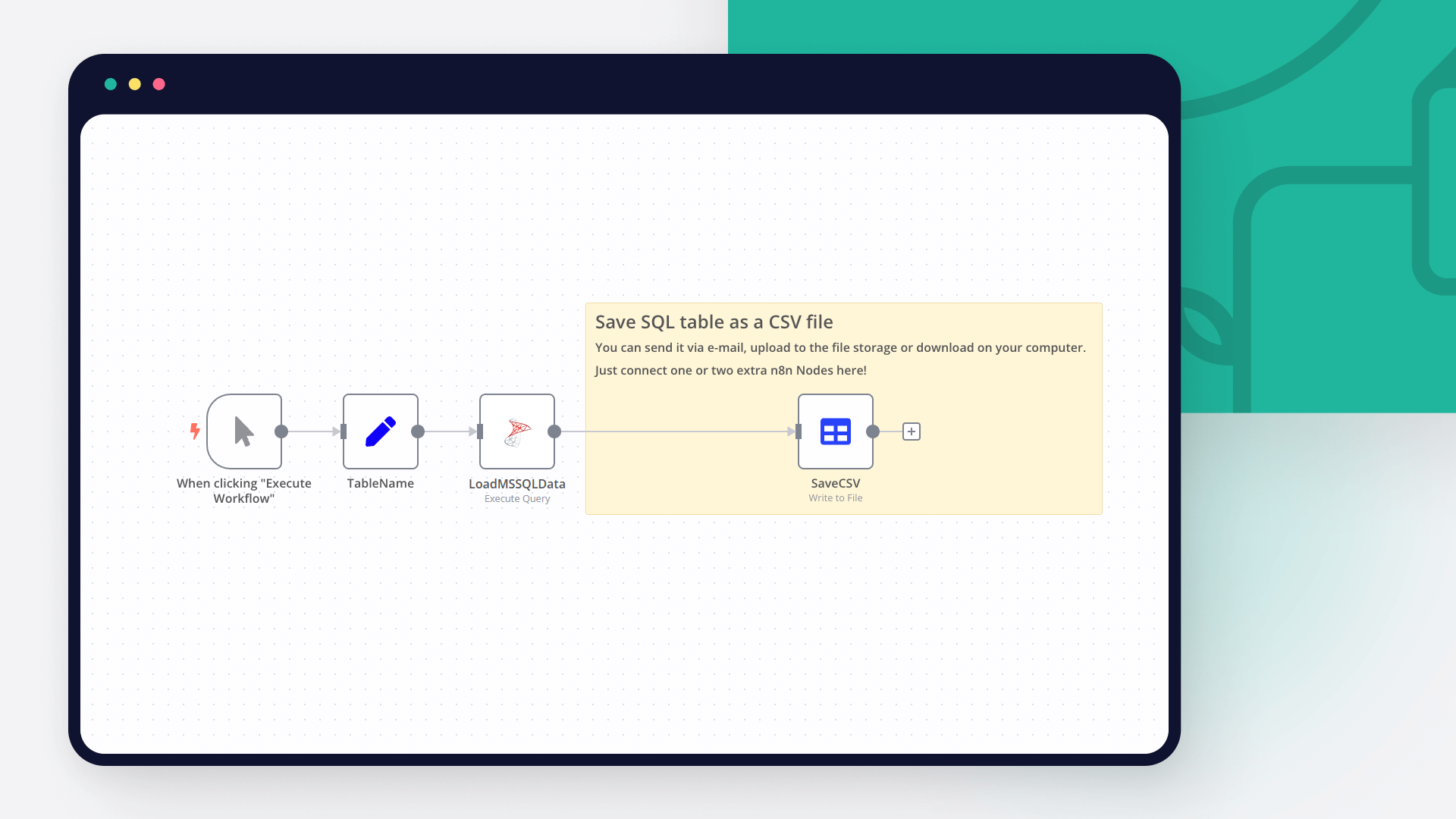
How it works This workflow consolidates data from five different systems — Google Sheets, PostgreSQL, MongoDB, Microsoft SQL Server, and Google Analytics — into a single master Google Sheet. It runs on a scheduled trigger three times a week. Each dataset is tagged with a unique source identifier before merging, ensuring data traceability. Finally, the merged dataset is cleaned, standardized, and written into the output Google Sheet for reporting and analysis. Step-by-step Trigger the workflow Schedule Trigger** – Runs the workflow at set weekly intervals. Collect data from sources Google Sheets Source** – Retrieves records from a specific sheet. PostgreSQL Source** – Extracts customer data from the database. MongoDB Source** – Pulls documents from the defined collection. Microsoft SQL Server** – Executes a SQL query and returns results. Google Analytics** – Captures user activity and engagement metrics. Tag each dataset Add Sheets Source ID** – Marks data from Google Sheets. Add PostgreSQL Source ID** – Marks data from PostgreSQL. Add MongoDB Source ID** – Marks data from MongoDB. Add SQL Server Source ID** – Marks data from SQL Server. Add Analytics Source ID** – Marks data from Google Analytics. Merge and process Merge** – Combines all tagged datasets into a single structure. Process Merged Data** – Cleans, aligns schemas, and standardizes key fields. Store consolidated output Final Google Sheet** – Appends or updates the master sheet with the processed data. Why use this? Centralizes multiple data sources into a single, consistent dataset. Ensures data traceability by tagging each source. Reduces manual effort in data cleaning and consolidation. Provides a reliable reporting hub for business analysis. Enables scheduled, automated updates for up-to-date visibility.

Build your own Google Sheets and Microsoft SQL integration

Create custom Google Sheets and Microsoft SQL workflows by choosing triggers and actions. Nodes come with global operations and settings, as well as app-specific parameters that can be configured. You can also use the HTTP Request node to query data from any app or service with a REST API.

Google Sheets supported actions

Create
Create a spreadsheet
Delete
Delete a spreadsheet
Append or Update Row
Append a new row or update an existing one (upsert)
Append Row
Create a new row in a sheet
Clear
Delete all the contents or a part of a sheet
Create
Create a new sheet
Delete
Permanently delete a sheet
Delete Rows or Columns
Delete columns or rows from a sheet
Get Row(s)
Retrieve one or more rows from a sheet
Update Row
Update an existing row in a sheet

Microsoft SQL supported actions

Execute Query
Execute an SQL query
Insert
Insert rows in database
Update
Update rows in database
Delete
Delete rows in database

FAQs

  • Can Google Sheets connect with Microsoft SQL?

  • Can I use Google Sheets’s API with n8n?

  • Can I use Microsoft SQL’s API with n8n?

  • Is n8n secure for integrating Google Sheets and Microsoft SQL?

  • How to get started with Google Sheets and Microsoft SQL integration in n8n.io?

Need help setting up your Google Sheets and Microsoft SQL integration?

Discover our latest community's recommendations and join the discussions about Google Sheets and Microsoft SQL integration.
Sergey Komardenkov
sérgio eduardo floresta filho
Julian
therealJMT
Guilherme

Looking to integrate Google Sheets and Microsoft SQL in your company?

Over 3000 companies switch to n8n every single week

Why use n8n to integrate Google Sheets with Microsoft SQL

Build complex workflows, really fast

Build complex workflows, really fast

Handle branching, merging and iteration easily.
Pause your workflow to wait for external events.

Code when you need it, UI when you don't

Simple debugging

Your data is displayed alongside your settings, making edge cases easy to track down.

Use templates to get started fast

Use 1000+ workflow templates available from our core team and our community.

Reuse your work

Copy and paste, easily import and export workflows.

Implement complex processes faster with n8n

red iconyellow iconred iconyellow icon