Back to Integrations
integrationGoogle Sheets node
integrationNextcloud node

Google Sheets and Nextcloud integration

Save yourself the work of writing custom integrations for Google Sheets and Nextcloud and use n8n instead. Build adaptable and scalable Data & Storage, and Productivity workflows that work with your technology stack. All within a building experience you will love.

How to connect Google Sheets and Nextcloud

  • Step 1: Create a new workflow
  • Step 2: Add and configure nodes
  • Step 3: Connect
  • Step 4: Customize and extend your integration
  • Step 5: Test and activate your workflow

Step 1: Create a new workflow and add the first step

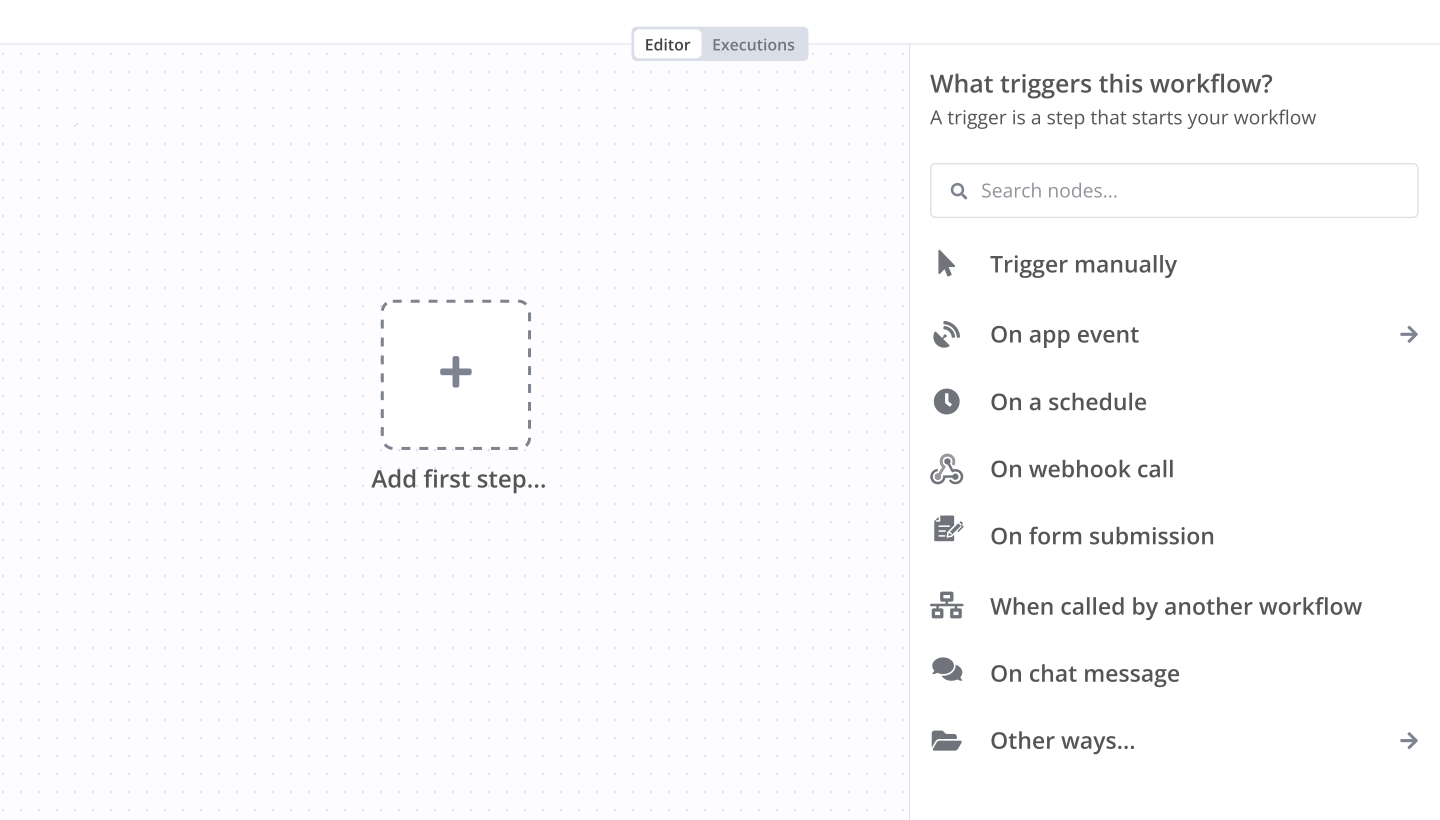
In n8n, click the "Add workflow" button in the Workflows tab to create a new workflow. Add the starting point – a trigger on when your workflow should run: an app event, a schedule, a webhook call, another workflow, an AI chat, or a manual trigger. Sometimes, the HTTP Request node might already serve as your starting point.

Google Sheets and Nextcloud integration: Create a new workflow and add the first step

Step 2: Add and configure Google Sheets and Nextcloud nodes

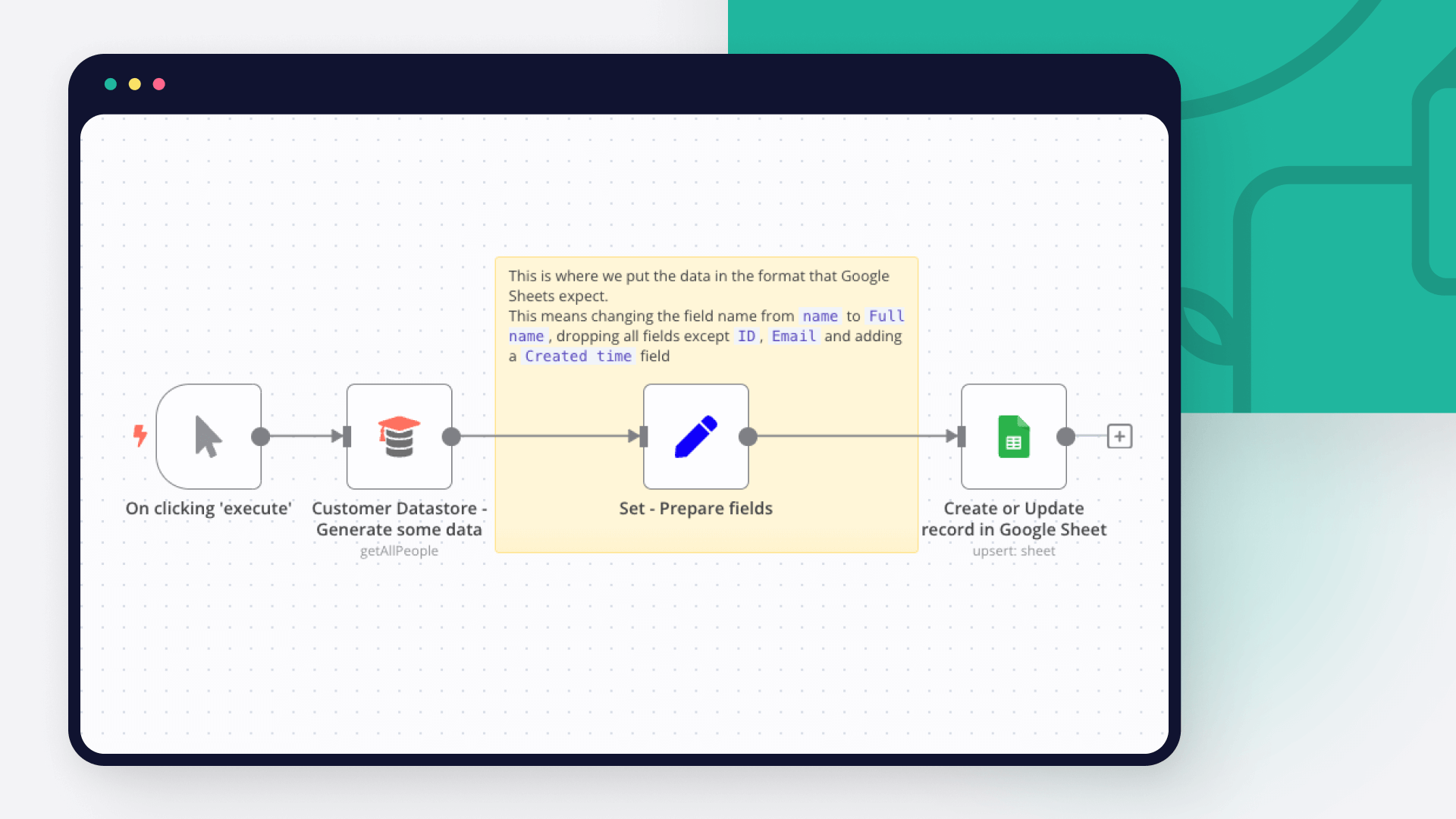
You can find Google Sheets and Nextcloud in the nodes panel. Drag them onto your workflow canvas, selecting their actions. Click each node, choose a credential, and authenticate to grant n8n access. Configure Google Sheets and Nextcloud nodes one by one: input data on the left, parameters in the middle, and output data on the right.

Google Sheets and Nextcloud integration: Add and configure Google Sheets and Nextcloud nodes

Step 3: Connect Google Sheets and Nextcloud

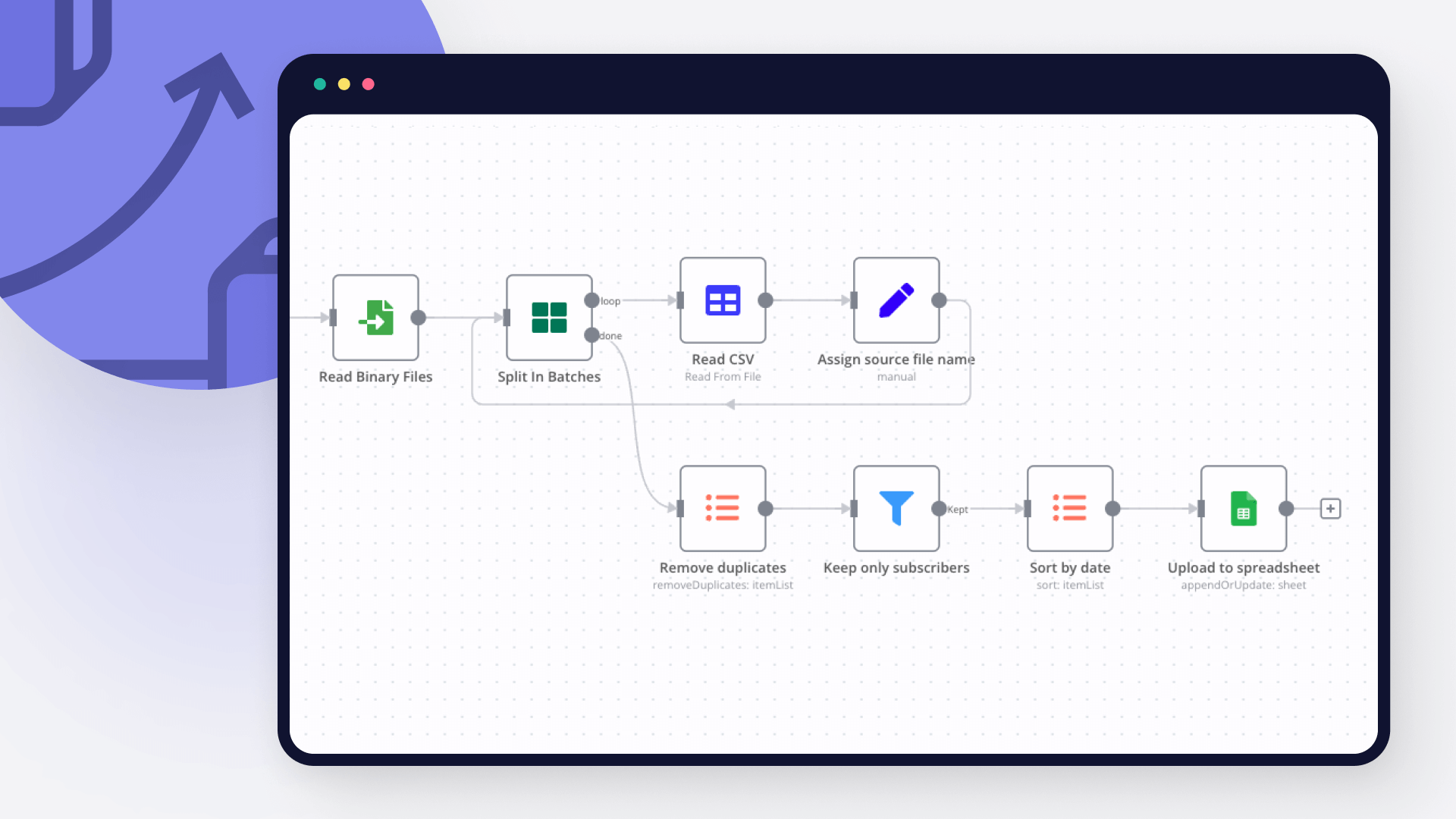
A connection establishes a link between Google Sheets and Nextcloud (or vice versa) to route data through the workflow. Data flows from the output of one node to the input of another. You can have single or multiple connections for each node.

Google Sheets and Nextcloud integration: Connect Google Sheets and Nextcloud

Step 4: Customize and extend your Google Sheets and Nextcloud integration

Use n8n's core nodes such as If, Split Out, Merge, and others to transform and manipulate data. Write custom JavaScript or Python in the Code node and run it as a step in your workflow. Connect Google Sheets and Nextcloud with any of n8n’s 1000+ integrations, and incorporate advanced AI logic into your workflows.

Google Sheets and Nextcloud integration: Customize and extend your Google Sheets and Nextcloud integration

Step 5: Test and activate your Google Sheets and Nextcloud workflow

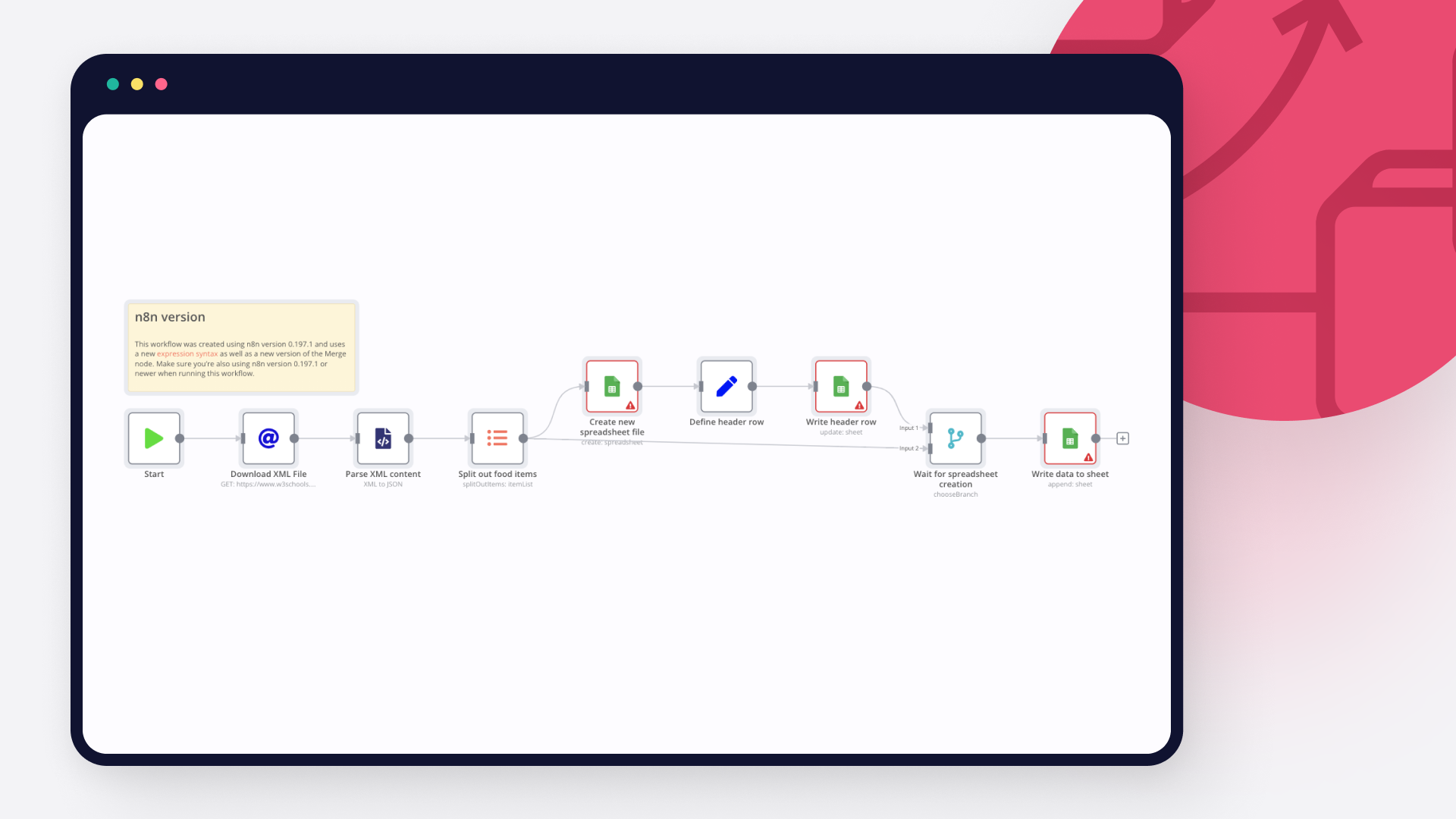
Save and run the workflow to see if everything works as expected. Based on your configuration, data should flow from Google Sheets to Nextcloud or vice versa. Easily debug your workflow: you can check past executions to isolate and fix the mistake. Once you've tested everything, make sure to save your workflow and activate it.

Google Sheets and Nextcloud integration: Test and activate your Google Sheets and Nextcloud workflow

Generate multi-platform content with OpenAI, Tavily Research & Supabase Storage

Automated Content Page Generator with AI, Tavily Research, and Supabase Storage

> ⚠️ Self-Hosted Disclaimer: This template requires self-hosted n8n installation and external service credentials (OpenAI, Tavily, Google Drive, NextCloud, Supabase). It cannot run on n8n Cloud due to dependency requirements.

Overview

Transform simple topic inputs into professional, multi-platform content automatically. This workflow combines AI-powered content generation with intelligent research and seamless storage integration to create website content, blog articles, and landing pages optimized for different audiences.

Key Features

Automated Research**: Uses Tavily's advanced search to gather relevant, up-to-date information
Multi-Platform Content**: Generates optimized content for websites, blogs, and landing pages
Image Management**: Downloads from Google Drive and uploads to NextCloud with public URL generation
Database Integration**: Stores all content in Supabase for easy retrieval
Error Handling**: Built-in error management workflow for reliability
Content Optimization**: AI-driven content strategy with trend analysis and SEO optimization

Required Services & APIs

Core Services
n8n**: Self-hosted instance (required)
OpenAI**: GPT-4 API access for content generation
Tavily**: Research API for content discovery
Google Drive**: Image storage and retrieval
Google Sheets**: Content input and workflow triggering
NextCloud**: Image hosting and public URL generation
Supabase**: Database storage for generated content

Setup Instructions

Prerequisites

Before setting up this workflow, ensure you have:
Self-hosted n8n installation
API credentials for all required services
Database table created in Supabase

Step 1: Service Account Configuration

OpenAI Setup
Create an OpenAI account at platform.openai.com
Generate API key from the API Keys section
In n8n, create new OpenAI credentials using your API key
Test connection to ensure GPT-4 access

Tavily Research Setup
Sign up at tavily.com
Get your API key from the dashboard
Add Tavily credentials in n8n
Configure search depth to "advanced" for best results

Google Services Setup
Create Google Cloud Project
Enable Google Drive API and Google Sheets API
Create OAuth2 credentials
Configure Google Drive and Google Sheets credentials in n8n
Share your input spreadsheet with the service account

NextCloud Setup
Install NextCloud or use hosted solution
Create application password for API access
Configure NextCloud credentials in n8n
Create /images/ folder for content storage

Supabase Setup
Create Supabase project at supabase.com
Create table with the following structure:
CREATE TABLE works (
id SERIAL PRIMARY KEY,
title TEXT NOT NULL,
content TEXT NOT NULL,
image_url TEXT,
category TEXT,
created_at TIMESTAMP DEFAULT NOW()
);
Get project URL and service key from settings
Configure Supabase credentials in n8n

Step 2: Google Sheets Input Setup

Create a Google Sheets document with the following columns:
TITLE**: Topic or title for content generation
IMAGE_URL**: Google Drive sharing URL for associated image

Example format:
TITLE | IMAGE_URL
AI Chatbot Implementation | https://drive.google.com/file/d/your-file-id/view
Digital Marketing Trends 2024 | https://drive.google.com/file/d/another-file-id/view

Step 3: Workflow Import and Configuration

Import the workflow JSON into your n8n instance
Configure all credential connections:
Link OpenAI credentials to "OpenAI_GPT4_Model" node
Link Tavily credentials to "Tavily_Research_Agent" node
Link Google credentials to "Google_Sheets_Trigger" and "Google_Drive_Image_Downloader" nodes
Link NextCloud credentials to "NextCloud_Image_Uploader" and "NextCloud_Public_URL_Generator" nodes
Link Supabase credentials to "Supabase_Content_Storage" node

Update the Google Sheets Trigger node:
Set your spreadsheet ID in the documentId field
Configure polling frequency (default: every minute)

Test each node connection individually before activating

Step 4: Error Handler Setup (Optional)

The workflow references an error handler workflow (GWQ4UI1i3Z0jp3GF). Either:
Create a simple error notification workflow with this ID
Remove the error handling references if not needed
Update the workflow ID to match your error handler

Step 5: Workflow Activation

Save all node configurations
Test the workflow with a sample row in your Google Sheet
Verify content generation and storage in Supabase
Activate the workflow for continuous monitoring

How It Works

Workflow Process

Trigger: Google Sheets monitors for new rows with content topics
Research: Tavily searches for 3 relevant articles about the topic
Content Generation: AI agent creates multi-platform content (website, blog, landing page)
Content Cleaning: Text processing removes formatting artifacts
Image Processing: Downloads image from Google Drive, uploads to NextCloud
URL Generation: Creates public sharing links for images
Storage: Saves final content package to Supabase database

Content Output Structure

Each execution generates:
Optimized Title**: SEO-friendly, platform-appropriate headline
Multi-Platform Content**:
Website content (professional, authority-building)
Blog content (educational, SEO-optimized)
Landing page content (conversion-focused)
Category Classification**: Automated content categorization
Image Assets**: Processed and publicly accessible images

Customization Options

Content Strategy Modification

Edit the AI agent's system message to change content style
Adjust character limits for different platform requirements
Modify category classifications for your industry

Research Parameters

Change Tavily search depth (basic, advanced)
Adjust number of research sources (1-10)
Modify search topic focus

Storage Configuration

Update Supabase table structure for additional fields
Change NextCloud folder organization
Modify image naming conventions

Troubleshooting

Common Issues

Workflow not triggering:
Check Google Sheets permissions
Verify polling frequency settings
Ensure spreadsheet format matches requirements

Content generation errors:
Verify OpenAI API key and credits
Check GPT-4 model access
Review system message formatting

Image processing failures:
Confirm Google Drive sharing permissions
Check NextCloud storage space and permissions
Verify file formats are supported

Database storage issues:
Validate Supabase table structure
Check API key permissions
Review field mapping in storage node

Performance Optimization

Adjust polling frequency based on your content volume
Monitor API usage to stay within limits
Consider batch processing for high-volume scenarios

Support and Updates

This template is designed for self-hosted n8n environments and requires technical setup. For issues:
Check n8n community forums
Review service-specific documentation
Test individual nodes in isolation
Monitor execution logs for detailed error information

Nodes used in this workflow

Popular Google Sheets and Nextcloud workflows

+3

Generate Multi-Platform Content with OpenAI, Tavily Research & Supabase Storage

Automated Content Page Generator with AI, Tavily Research, and Supabase Storage > ⚠️ Self-Hosted Disclaimer: This template requires self-hosted n8n installation and external service credentials (OpenAI, Tavily, Google Drive, NextCloud, Supabase). It cannot run on n8n Cloud due to dependency requirements. Overview Transform simple topic inputs into professional, multi-platform content automatically. This workflow combines AI-powered content generation with intelligent research and seamless storage integration to create website content, blog articles, and landing pages optimized for different audiences. Key Features Automated Research**: Uses Tavily's advanced search to gather relevant, up-to-date information Multi-Platform Content**: Generates optimized content for websites, blogs, and landing pages Image Management**: Downloads from Google Drive and uploads to NextCloud with public URL generation Database Integration**: Stores all content in Supabase for easy retrieval Error Handling**: Built-in error management workflow for reliability Content Optimization**: AI-driven content strategy with trend analysis and SEO optimization Required Services & APIs Core Services n8n**: Self-hosted instance (required) OpenAI**: GPT-4 API access for content generation Tavily**: Research API for content discovery Google Drive**: Image storage and retrieval Google Sheets**: Content input and workflow triggering NextCloud**: Image hosting and public URL generation Supabase**: Database storage for generated content Setup Instructions Prerequisites Before setting up this workflow, ensure you have: Self-hosted n8n installation API credentials for all required services Database table created in Supabase Step 1: Service Account Configuration OpenAI Setup Create an OpenAI account at platform.openai.com Generate API key from the API Keys section In n8n, create new OpenAI credentials using your API key Test connection to ensure GPT-4 access Tavily Research Setup Sign up at tavily.com Get your API key from the dashboard Add Tavily credentials in n8n Configure search depth to "advanced" for best results Google Services Setup Create Google Cloud Project Enable Google Drive API and Google Sheets API Create OAuth2 credentials Configure Google Drive and Google Sheets credentials in n8n Share your input spreadsheet with the service account NextCloud Setup Install NextCloud or use hosted solution Create application password for API access Configure NextCloud credentials in n8n Create /images/ folder for content storage Supabase Setup Create Supabase project at supabase.com Create table with the following structure: CREATE TABLE works ( id SERIAL PRIMARY KEY, title TEXT NOT NULL, content TEXT NOT NULL, image_url TEXT, category TEXT, created_at TIMESTAMP DEFAULT NOW() ); Get project URL and service key from settings Configure Supabase credentials in n8n Step 2: Google Sheets Input Setup Create a Google Sheets document with the following columns: TITLE**: Topic or title for content generation IMAGE_URL**: Google Drive sharing URL for associated image Example format: TITLE | IMAGE_URL AI Chatbot Implementation | https://drive.google.com/file/d/your-file-id/view Digital Marketing Trends 2024 | https://drive.google.com/file/d/another-file-id/view Step 3: Workflow Import and Configuration Import the workflow JSON into your n8n instance Configure all credential connections: Link OpenAI credentials to "OpenAI_GPT4_Model" node Link Tavily credentials to "Tavily_Research_Agent" node Link Google credentials to "Google_Sheets_Trigger" and "Google_Drive_Image_Downloader" nodes Link NextCloud credentials to "NextCloud_Image_Uploader" and "NextCloud_Public_URL_Generator" nodes Link Supabase credentials to "Supabase_Content_Storage" node Update the Google Sheets Trigger node: Set your spreadsheet ID in the documentId field Configure polling frequency (default: every minute) Test each node connection individually before activating Step 4: Error Handler Setup (Optional) The workflow references an error handler workflow (GWQ4UI1i3Z0jp3GF). Either: Create a simple error notification workflow with this ID Remove the error handling references if not needed Update the workflow ID to match your error handler Step 5: Workflow Activation Save all node configurations Test the workflow with a sample row in your Google Sheet Verify content generation and storage in Supabase Activate the workflow for continuous monitoring How It Works Workflow Process Trigger: Google Sheets monitors for new rows with content topics Research: Tavily searches for 3 relevant articles about the topic Content Generation: AI agent creates multi-platform content (website, blog, landing page) Content Cleaning: Text processing removes formatting artifacts Image Processing: Downloads image from Google Drive, uploads to NextCloud URL Generation: Creates public sharing links for images Storage: Saves final content package to Supabase database Content Output Structure Each execution generates: Optimized Title**: SEO-friendly, platform-appropriate headline Multi-Platform Content**: Website content (professional, authority-building) Blog content (educational, SEO-optimized) Landing page content (conversion-focused) Category Classification**: Automated content categorization Image Assets**: Processed and publicly accessible images Customization Options Content Strategy Modification Edit the AI agent's system message to change content style Adjust character limits for different platform requirements Modify category classifications for your industry Research Parameters Change Tavily search depth (basic, advanced) Adjust number of research sources (1-10) Modify search topic focus Storage Configuration Update Supabase table structure for additional fields Change NextCloud folder organization Modify image naming conventions Troubleshooting Common Issues Workflow not triggering: Check Google Sheets permissions Verify polling frequency settings Ensure spreadsheet format matches requirements Content generation errors: Verify OpenAI API key and credits Check GPT-4 model access Review system message formatting Image processing failures: Confirm Google Drive sharing permissions Check NextCloud storage space and permissions Verify file formats are supported Database storage issues: Validate Supabase table structure Check API key permissions Review field mapping in storage node Performance Optimization Adjust polling frequency based on your content volume Monitor API usage to stay within limits Consider batch processing for high-volume scenarios Support and Updates This template is designed for self-hosted n8n environments and requires technical setup. For issues: Check n8n community forums Review service-specific documentation Test individual nodes in isolation Monitor execution logs for detailed error information

Build your own Google Sheets and Nextcloud integration

Create custom Google Sheets and Nextcloud workflows by choosing triggers and actions. Nodes come with global operations and settings, as well as app-specific parameters that can be configured. You can also use the HTTP Request node to query data from any app or service with a REST API.

Google Sheets supported actions

Create
Create a spreadsheet
Delete
Delete a spreadsheet
Append or Update Row
Append a new row or update an existing one (upsert)
Append Row
Create a new row in a sheet
Clear
Delete all the contents or a part of a sheet
Create
Create a new sheet
Delete
Permanently delete a sheet
Delete Rows or Columns
Delete columns or rows from a sheet
Get Row(s)
Retrieve one or more rows from a sheet
Update Row
Update an existing row in a sheet

Nextcloud supported actions

Copy
Copy a file
Delete
Delete a file
Download
Download a file
Move
Move a file
Share
Share a file
Upload
Upload a file
Copy
Copy a folder
Create
Create a folder
Delete
Delete a folder
List
Return the contents of a given folder
Move
Move a folder
Share
Share a folder
Create
Invite a user to a NextCloud organization
Delete
Delete a user
Get
Retrieve information about a single user
Get Many
Retrieve a list of users
Update
Edit attributes related to a user

FAQs

  • Can Google Sheets connect with Nextcloud?

  • Can I use Google Sheets’s API with n8n?

  • Can I use Nextcloud’s API with n8n?

  • Is n8n secure for integrating Google Sheets and Nextcloud?

  • How to get started with Google Sheets and Nextcloud integration in n8n.io?

Need help setting up your Google Sheets and Nextcloud integration?

Discover our latest community's recommendations and join the discussions about Google Sheets and Nextcloud integration.
Sergey Komardenkov
sérgio eduardo floresta filho
Julian
therealJMT
Mark L.

Looking to integrate Google Sheets and Nextcloud in your company?

Over 3000 companies switch to n8n every single week

Why use n8n to integrate Google Sheets with Nextcloud

Build complex workflows, really fast

Build complex workflows, really fast

Handle branching, merging and iteration easily.
Pause your workflow to wait for external events.

Code when you need it, UI when you don't

Simple debugging

Your data is displayed alongside your settings, making edge cases easy to track down.

Use templates to get started fast

Use 1000+ workflow templates available from our core team and our community.

Reuse your work

Copy and paste, easily import and export workflows.

Implement complex processes faster with n8n

red iconyellow iconred iconyellow icon