Back to Integrations
integrationMailchimp node
integrationMongoDB node

Mailchimp and MongoDB integration

Save yourself the work of writing custom integrations for Mailchimp and MongoDB and use n8n instead. Build adaptable and scalable Marketing, Communication, Development, and Data & Storage workflows that work with your technology stack. All within a building experience you will love.

How to connect Mailchimp and MongoDB

  • Step 1: Create a new workflow
  • Step 2: Add and configure nodes
  • Step 3: Connect
  • Step 4: Customize and extend your integration
  • Step 5: Test and activate your workflow

Step 1: Create a new workflow and add the first step

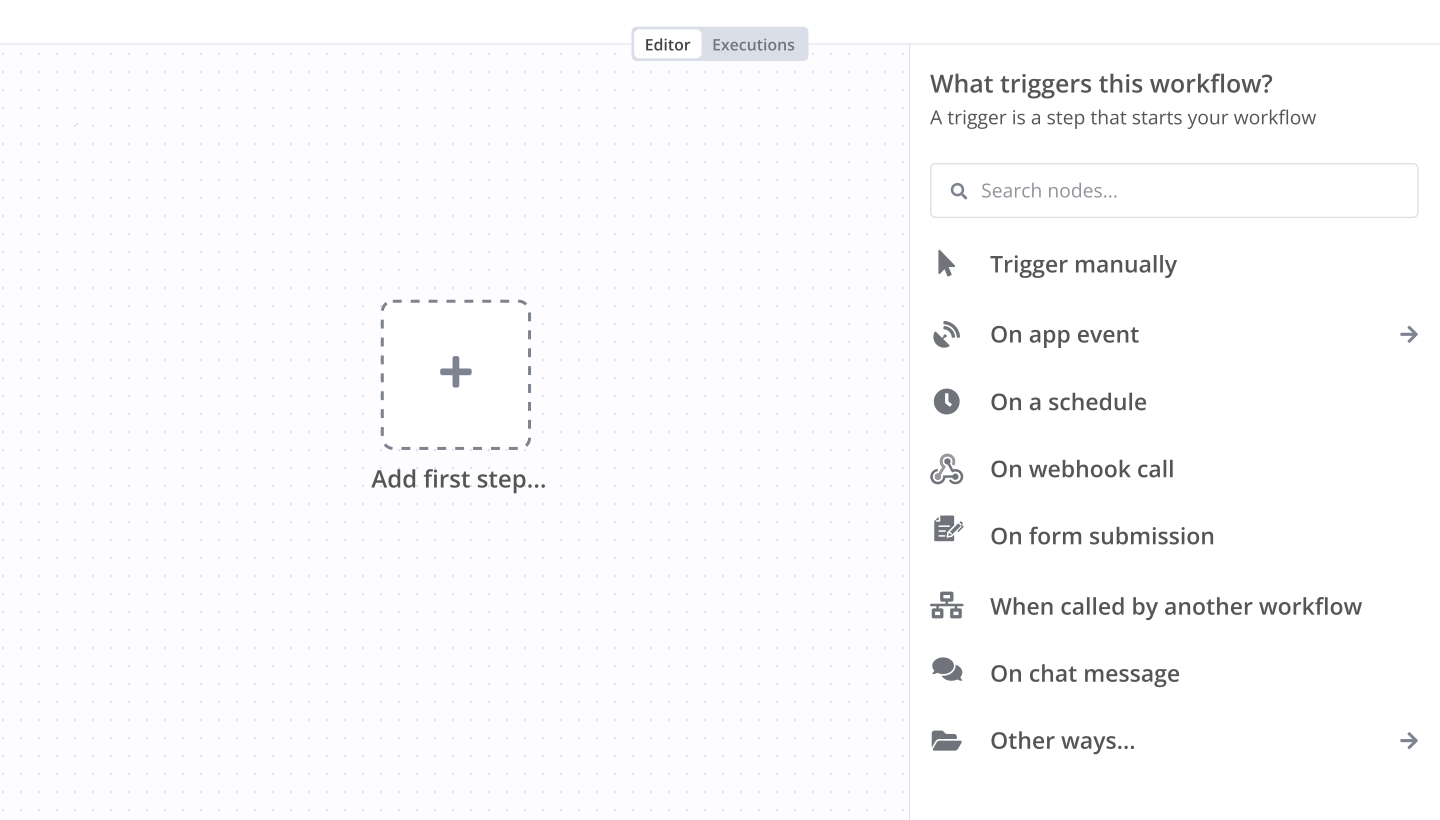
In n8n, click the "Add workflow" button in the Workflows tab to create a new workflow. Add the starting point – a trigger on when your workflow should run: an app event, a schedule, a webhook call, another workflow, an AI chat, or a manual trigger. Sometimes, the HTTP Request node might already serve as your starting point.

Mailchimp and MongoDB integration: Create a new workflow and add the first step

Step 2: Add and configure Mailchimp and MongoDB nodes

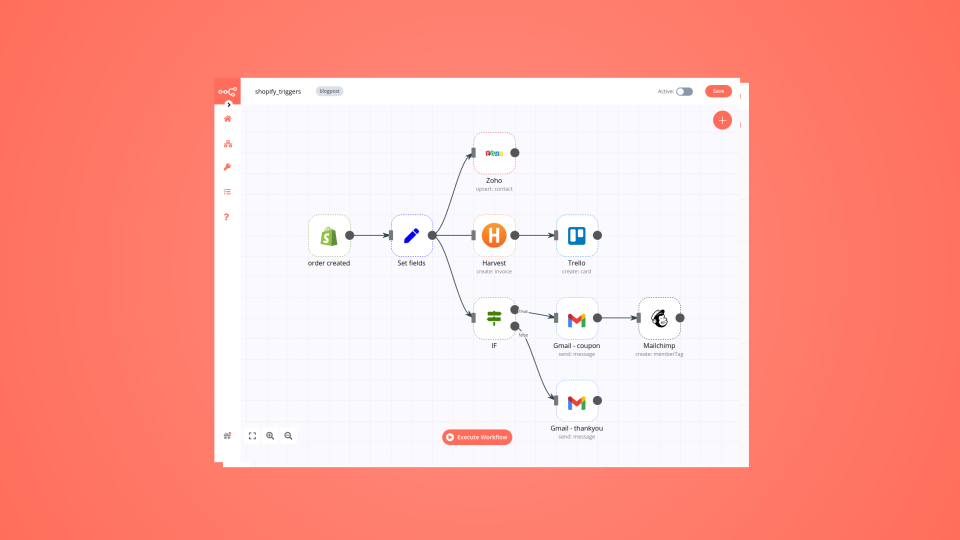
You can find Mailchimp and MongoDB in the nodes panel. Drag them onto your workflow canvas, selecting their actions. Click each node, choose a credential, and authenticate to grant n8n access. Configure Mailchimp and MongoDB nodes one by one: input data on the left, parameters in the middle, and output data on the right.

Mailchimp and MongoDB integration: Add and configure Mailchimp and MongoDB nodes

Step 3: Connect Mailchimp and MongoDB

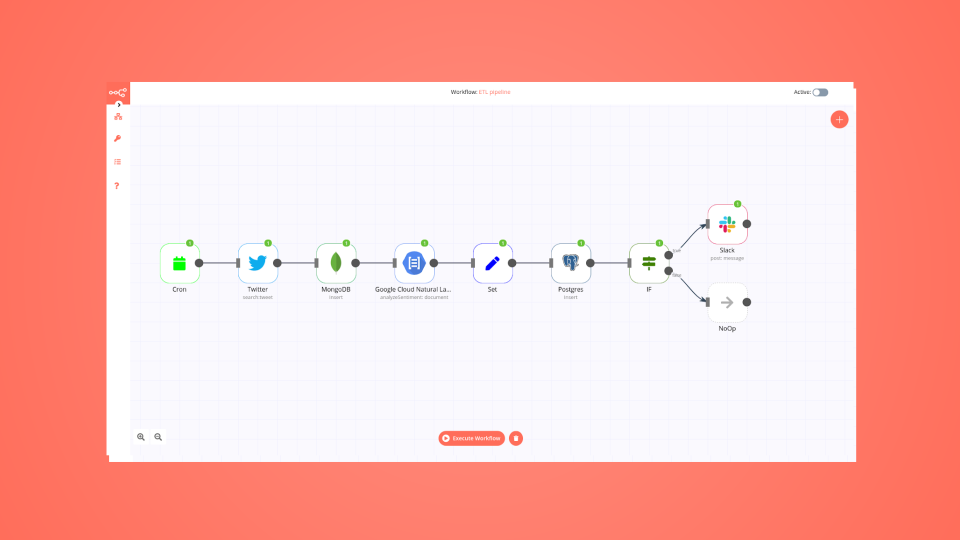
A connection establishes a link between Mailchimp and MongoDB (or vice versa) to route data through the workflow. Data flows from the output of one node to the input of another. You can have single or multiple connections for each node.

Mailchimp and MongoDB integration: Connect Mailchimp and MongoDB

Step 4: Customize and extend your Mailchimp and MongoDB integration

Use n8n's core nodes such as If, Split Out, Merge, and others to transform and manipulate data. Write custom JavaScript or Python in the Code node and run it as a step in your workflow. Connect Mailchimp and MongoDB with any of n8n’s 1000+ integrations, and incorporate advanced AI logic into your workflows.

Mailchimp and MongoDB integration: Customize and extend your Mailchimp and MongoDB integration

Step 5: Test and activate your Mailchimp and MongoDB workflow

Save and run the workflow to see if everything works as expected. Based on your configuration, data should flow from Mailchimp to MongoDB or vice versa. Easily debug your workflow: you can check past executions to isolate and fix the mistake. Once you've tested everything, make sure to save your workflow and activate it.

Mailchimp and MongoDB integration: Test and activate your Mailchimp and MongoDB workflow

Send meeting summaries with Mailchimp and MongoDB

Meeting Notes Distributor – Mailchimp and MongoDB

This workflow automatically converts raw meeting recordings or written notes into concise summaries, stores them in MongoDB for future reference, and distributes the summaries to all meeting participants through Mailchimp. It is ideal for teams that want to keep everyone aligned without manual copy-and-paste or email chains.

Pre-conditions/Requirements

Prerequisites
n8n instance (self-hosted or cloud)
Audio transcription service or written notes available via HTTP endpoint
MongoDB database (cloud or self-hosted)
Mailchimp account with an existing Audience list

Required Credentials
MongoDB** – Connection string with insert permission
Mailchimp API Key** – To send campaigns
(Optional) HTTP Service Auth** – If your transcription/notes endpoint is secured

Specific Setup Requirements

Component Example Value Notes
MongoDB Database meeting_notes Database in which summaries will be stored
Collection Name summaries Collection automatically created if it doesn’t exist
Mailchimp List Meeting Participants Audience list containing participant email addresses
Notes Endpoint https://example.com/api/meetings/{id} Returns raw transcript or note text (JSON)

How it works

This workflow automatically converts raw meeting recordings or written notes into concise summaries, stores them in MongoDB for future reference, and distributes the summaries to all meeting participants through Mailchimp. It is ideal for teams that want to keep everyone aligned without manual copy-and-paste or email chains.

Key Steps:
Schedule Trigger**: Fires daily (or on-demand) to check for new meeting notes.
HTTP Request**: Downloads raw notes or transcript from your endpoint.
Code Node**: Uses an AI or custom function to generate a concise summary.
If Node**: Skips processing if the summary already exists in MongoDB.
MongoDB**: Inserts the new summary document.
Split in Batches**: Splits participants into Mailchimp-friendly batch sizes.
Mailchimp**: Sends personalized summary emails to each participant.
Wait**: Ensures rate limits are respected between Mailchimp calls.
Merge**: Consolidates success/failure results for logging or alerting.

Set up steps

Setup Time: 15-25 minutes

Clone the workflow: Import or copy the JSON into your n8n instance.
Configure Schedule Trigger: Set the cron expression (e.g., every weekday at 18:00).
Set HTTP Request URL: Replace placeholder with your transcription/notes endpoint. Add auth headers if needed.
Add MongoDB Credentials: Enter your connection string in the MongoDB node.
Customize Summary Logic: Open the Code node to tweak summarization length, language, or model.
Mailchimp Credentials: Supply your API key and select the correct Audience list.
Map Email Fields: Ensure participant emails are supplied from transcription metadata or external source.
Test Run: Execute once manually to verify MongoDB insert and email delivery.
Activate Workflow: Enable the workflow so it runs on its defined schedule.

Node Descriptions

Core Workflow Nodes:
Schedule Trigger** – Initiates the workflow at predefined intervals.
HTTP Request** – Retrieves the latest meeting data (transcript or notes).
Code** – Generates a summarized version of the meeting content.
If** – Checks MongoDB for duplicates to avoid re-sending.
MongoDB** – Stores finalized summaries for archival and audit.
SplitInBatches** – Breaks participant list into manageable chunks.
Mailchimp** – Sends summary emails via campaigns or transactional messages.
Wait** – Pauses between batches to honor Mailchimp rate limits.
Merge** – Aggregates success/failure responses for logging.

Data Flow:
Schedule Trigger → HTTP Request → Code → If
If summary is new: MongoDB → SplitInBatches → Mailchimp → Wait
Merge collates all results

Customization Examples

  1. Change Summary Length
    // Inside the Code Node
    const rawText = items[0].json.text;
    const maxSentences = 5; // adjust to 3, 7, etc.
    items[0].json.summary = summarize(rawText, maxSentences);
    return items;

  2. Personalize Mailchimp Subject
    // In the Set node before Mailchimp
    items[0].json.subject = Recap: ${items[0].json.meetingTitle} – ${new Date().toLocaleDateString()};
    return items;

Data Output Format

The workflow outputs structured JSON data:

{
"meetingId": "abc123",
"meetingTitle": "Quarterly Planning",
"summary": "Key decisions on roadmap, budget approvals...",
"participants": [
"[email protected]",
"[email protected]"
],
"mongoInsertId": "65d9278fa01e3f94b1234567",
"mailchimpBatchIds": ["2024-01-01T12:00:00Z#1", "2024-01-01T12:01:00Z#2"]
}

Troubleshooting

Common Issues
Mailchimp rate-limit errors – Increase Wait node delay or reduce batch size.
Duplicate summaries – Ensure the If node correctly queries MongoDB using meeting ID as a unique key.

Performance Tips
Keep batch sizes under 500 to stay well within Mailchimp limits.
Offload AI summarization to external services if Code node execution time is high.

Pro Tips:
Store full transcripts in MongoDB GridFS for future reference.
Use environment variables in n8n for all API keys to simplify workflow export/import.
Add a notifier (e.g., Slack node) after Merge to alert admins on failures.

This is a community template provided “as-is” without warranty. Always validate the workflow in a test environment before using it in production.

Nodes used in this workflow

Popular Mailchimp and MongoDB workflows

Send meeting summaries with Mailchimp and MongoDB

Meeting Notes Distributor – Mailchimp and MongoDB This workflow automatically converts raw meeting recordings or written notes into concise summaries, stores them in MongoDB for future reference, and distributes the summaries to all meeting participants through Mailchimp. It is ideal for teams that want to keep everyone aligned without manual copy-and-paste or email chains. Pre-conditions/Requirements Prerequisites n8n instance (self-hosted or cloud) Audio transcription service or written notes available via HTTP endpoint MongoDB database (cloud or self-hosted) Mailchimp account with an existing Audience list Required Credentials MongoDB** – Connection string with insert permission Mailchimp API Key** – To send campaigns (Optional) HTTP Service Auth** – If your transcription/notes endpoint is secured Specific Setup Requirements | Component | Example Value | Notes | |------------------|--------------------------------------------|-----------------------------------------------------| | MongoDB Database | meeting_notes | Database in which summaries will be stored | | Collection Name | summaries | Collection automatically created if it doesn’t exist| | Mailchimp List | Meeting Participants | Audience list containing participant email addresses| | Notes Endpoint | https://example.com/api/meetings/{id} | Returns raw transcript or note text (JSON) | How it works This workflow automatically converts raw meeting recordings or written notes into concise summaries, stores them in MongoDB for future reference, and distributes the summaries to all meeting participants through Mailchimp. It is ideal for teams that want to keep everyone aligned without manual copy-and-paste or email chains. Key Steps: Schedule Trigger**: Fires daily (or on-demand) to check for new meeting notes. HTTP Request**: Downloads raw notes or transcript from your endpoint. Code Node**: Uses an AI or custom function to generate a concise summary. If Node**: Skips processing if the summary already exists in MongoDB. MongoDB**: Inserts the new summary document. Split in Batches**: Splits participants into Mailchimp-friendly batch sizes. Mailchimp**: Sends personalized summary emails to each participant. Wait**: Ensures rate limits are respected between Mailchimp calls. Merge**: Consolidates success/failure results for logging or alerting. Set up steps Setup Time: 15-25 minutes Clone the workflow: Import or copy the JSON into your n8n instance. Configure Schedule Trigger: Set the cron expression (e.g., every weekday at 18:00). Set HTTP Request URL: Replace placeholder with your transcription/notes endpoint. Add auth headers if needed. Add MongoDB Credentials: Enter your connection string in the MongoDB node. Customize Summary Logic: Open the Code node to tweak summarization length, language, or model. Mailchimp Credentials: Supply your API key and select the correct Audience list. Map Email Fields: Ensure participant emails are supplied from transcription metadata or external source. Test Run: Execute once manually to verify MongoDB insert and email delivery. Activate Workflow: Enable the workflow so it runs on its defined schedule. Node Descriptions Core Workflow Nodes: Schedule Trigger** – Initiates the workflow at predefined intervals. HTTP Request** – Retrieves the latest meeting data (transcript or notes). Code** – Generates a summarized version of the meeting content. If** – Checks MongoDB for duplicates to avoid re-sending. MongoDB** – Stores finalized summaries for archival and audit. SplitInBatches** – Breaks participant list into manageable chunks. Mailchimp** – Sends summary emails via campaigns or transactional messages. Wait** – Pauses between batches to honor Mailchimp rate limits. Merge** – Aggregates success/failure responses for logging. Data Flow: Schedule Trigger → HTTP Request → Code → If If summary is new: MongoDB → SplitInBatches → Mailchimp → Wait Merge collates all results Customization Examples Change Summary Length // Inside the Code Node const rawText = items[0].json.text; const maxSentences = 5; // adjust to 3, 7, etc. items[0].json.summary = summarize(rawText, maxSentences); return items; Personalize Mailchimp Subject // In the Set node before Mailchimp items[0].json.subject = Recap: ${items[0].json.meetingTitle} – ${new Date().toLocaleDateString()}; return items; Data Output Format The workflow outputs structured JSON data: { "meetingId": "abc123", "meetingTitle": "Quarterly Planning", "summary": "Key decisions on roadmap, budget approvals...", "participants": [ "[email protected]", "[email protected]" ], "mongoInsertId": "65d9278fa01e3f94b1234567", "mailchimpBatchIds": ["2024-01-01T12:00:00Z#1", "2024-01-01T12:01:00Z#2"] } Troubleshooting Common Issues Mailchimp rate-limit errors – Increase Wait node delay or reduce batch size. Duplicate summaries – Ensure the If node correctly queries MongoDB using meeting ID as a unique key. Performance Tips Keep batch sizes under 500 to stay well within Mailchimp limits. Offload AI summarization to external services if Code node execution time is high. Pro Tips: Store full transcripts in MongoDB GridFS for future reference. Use environment variables in n8n for all API keys to simplify workflow export/import. Add a notifier (e.g., Slack node) after Merge to alert admins on failures. This is a community template provided “as-is” without warranty. Always validate the workflow in a test environment before using it in production.

Build your own Mailchimp and MongoDB integration

Create custom Mailchimp and MongoDB workflows by choosing triggers and actions. Nodes come with global operations and settings, as well as app-specific parameters that can be configured. You can also use the HTTP Request node to query data from any app or service with a REST API.

Mailchimp supported actions

Delete
Delete a campaign
Get
Get a campaign
Get Many
Get many campaigns
Replicate
Replicate a campaign
Resend
Creates a Resend to Non-Openers version of this campaign
Send
Send a campaign
Get Many
Get many groups
Create
Create a new member on list
Delete
Delete a member on list
Get
Get a member on list
Get Many
Get many members on a list
Update
Update a new member on list
Create
Add tags from a list member
Delete
Remove tags from a list member

MongoDB supported actions

Create
Drop
List
Update
Aggregate
Aggregate documents
Delete
Delete documents
Find
Find documents
Find And Replace
Find and replace documents
Find And Update
Find and update documents
Insert
Insert documents
Update
Update documents

FAQs

  • Can Mailchimp connect with MongoDB?

  • Can I use Mailchimp’s API with n8n?

  • Can I use MongoDB’s API with n8n?

  • Is n8n secure for integrating Mailchimp and MongoDB?

  • How to get started with Mailchimp and MongoDB integration in n8n.io?

Need help setting up your Mailchimp and MongoDB integration?

Discover our latest community's recommendations and join the discussions about Mailchimp and MongoDB integration.
João Textor

Looking to integrate Mailchimp and MongoDB in your company?

Over 3000 companies switch to n8n every single week

Why use n8n to integrate Mailchimp with MongoDB

Build complex workflows, really fast

Build complex workflows, really fast

Handle branching, merging and iteration easily.
Pause your workflow to wait for external events.

Code when you need it, UI when you don't

Simple debugging

Your data is displayed alongside your settings, making edge cases easy to track down.

Use templates to get started fast

Use 1000+ workflow templates available from our core team and our community.

Reuse your work

Copy and paste, easily import and export workflows.

Implement complex processes faster with n8n

red iconyellow iconred iconyellow icon