Back to Integrations
integrationMatrix node
integrationPipedrive node

Matrix and Pipedrive integration

Save yourself the work of writing custom integrations for Matrix and Pipedrive and use n8n instead. Build adaptable and scalable Communication, and Sales workflows that work with your technology stack. All within a building experience you will love.

How to connect Matrix and Pipedrive

  • Step 1: Create a new workflow
  • Step 2: Add and configure nodes
  • Step 3: Connect
  • Step 4: Customize and extend your integration
  • Step 5: Test and activate your workflow

Step 1: Create a new workflow and add the first step

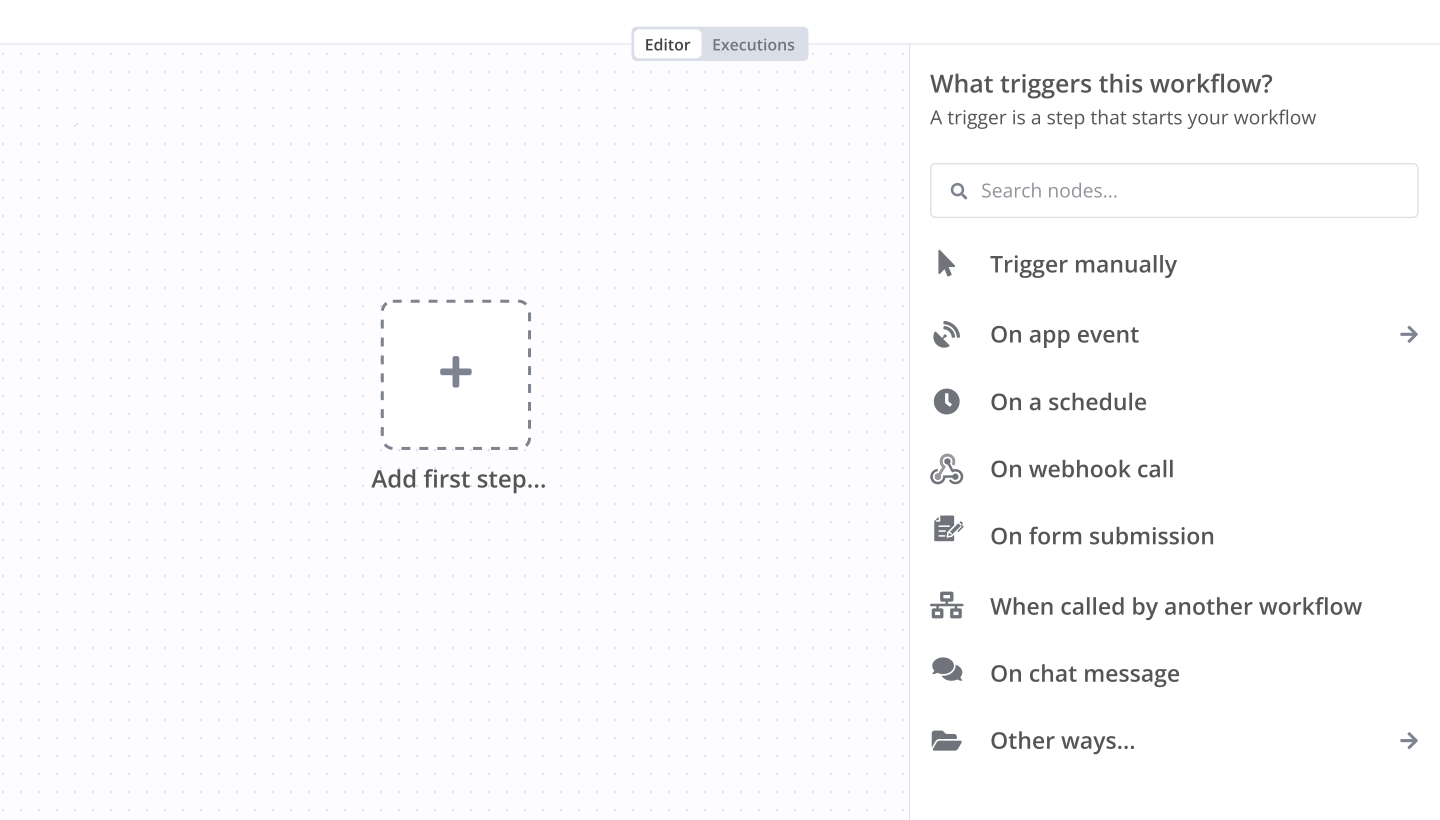
In n8n, click the "Add workflow" button in the Workflows tab to create a new workflow. Add the starting point – a trigger on when your workflow should run: an app event, a schedule, a webhook call, another workflow, an AI chat, or a manual trigger. Sometimes, the HTTP Request node might already serve as your starting point.

Matrix and Pipedrive integration: Create a new workflow and add the first step

Step 2: Add and configure Matrix and Pipedrive nodes

You can find Matrix and Pipedrive in the nodes panel. Drag them onto your workflow canvas, selecting their actions. Click each node, choose a credential, and authenticate to grant n8n access. Configure Matrix and Pipedrive nodes one by one: input data on the left, parameters in the middle, and output data on the right.

Matrix and Pipedrive integration: Add and configure Matrix and Pipedrive nodes

Step 3: Connect Matrix and Pipedrive

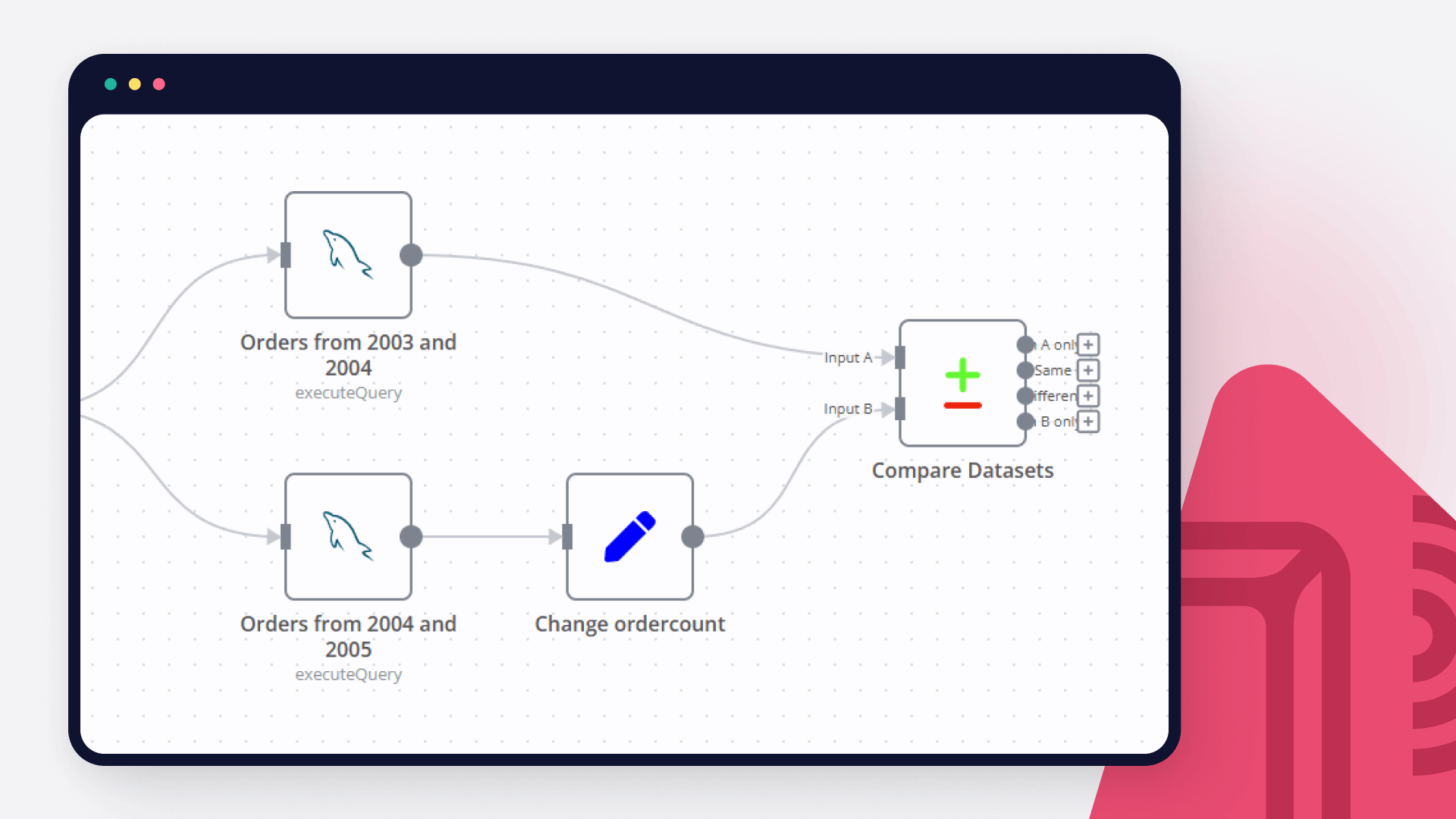
A connection establishes a link between Matrix and Pipedrive (or vice versa) to route data through the workflow. Data flows from the output of one node to the input of another. You can have single or multiple connections for each node.

Matrix and Pipedrive integration: Connect Matrix and Pipedrive

Step 4: Customize and extend your Matrix and Pipedrive integration

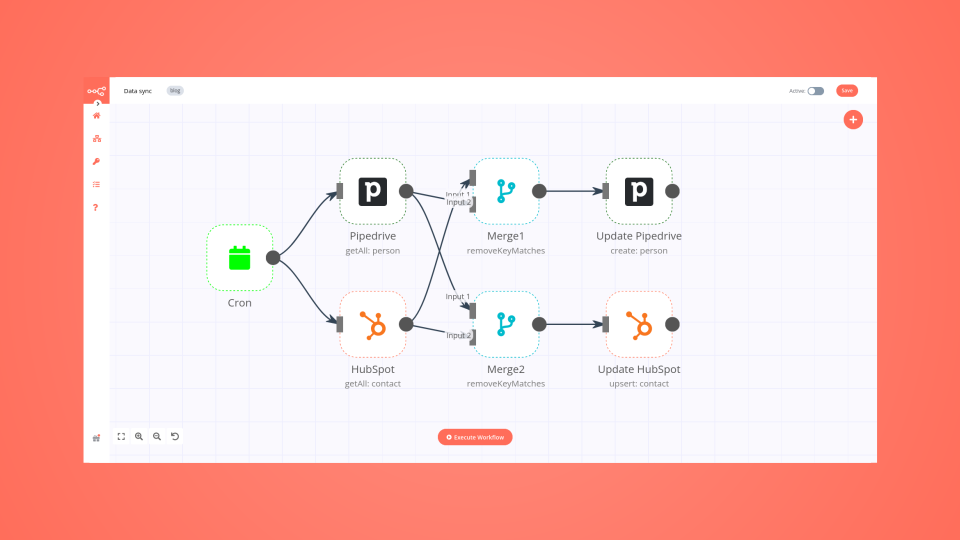
Use n8n's core nodes such as If, Split Out, Merge, and others to transform and manipulate data. Write custom JavaScript or Python in the Code node and run it as a step in your workflow. Connect Matrix and Pipedrive with any of n8n’s 1000+ integrations, and incorporate advanced AI logic into your workflows.

Matrix and Pipedrive integration: Customize and extend your Matrix and Pipedrive integration

Step 5: Test and activate your Matrix and Pipedrive workflow

Save and run the workflow to see if everything works as expected. Based on your configuration, data should flow from Matrix to Pipedrive or vice versa. Easily debug your workflow: you can check past executions to isolate and fix the mistake. Once you've tested everything, make sure to save your workflow and activate it.

Matrix and Pipedrive integration: Test and activate your Matrix and Pipedrive workflow

Healthcare policy monitoring with ScrapeGraphAI, Pipedrive and Matrix alerts

Medical Research Tracker with Matrix and Pipedrive

⚠️ COMMUNITY TEMPLATE DISCLAIMER: This is a community-contributed template that uses ScrapeGraphAI (a community node). Please ensure you have the ScrapeGraphAI community node installed in your n8n instance before using this template.

This workflow automatically monitors selected government and healthcare-policy websites, extracts newly published or updated policy documents, logs them as deals in a Pipedrive pipeline, and announces critical changes in a Matrix room. It gives healthcare administrators and policy analysts a near real-time view of policy developments without manual web checks.

Pre-conditions/Requirements

Prerequisites
n8n instance (self-hosted or n8n cloud)
ScrapeGraphAI community node installed
Active Pipedrive account with at least one pipeline
Matrix account & accessible room for notifications
Basic knowledge of n8n credential setup

Required Credentials
ScrapeGraphAI API Key** – Enables the scraping engine
Pipedrive OAuth2 / API Token** – Creates & updates deals
Matrix Credentials** – Homeserver URL, user, access token (or password)

Specific Setup Requirements

Variable Description Example
POLICY_SITES Comma-separated list of URLs to scrape https://health.gov/policies,https://who.int/proposals
PD_PIPELINE_ID Pipedrive pipeline where deals are created 5
PD_STAGE_ID_ALERT Stage ID for “Review Needed” 17
MATRIX_ROOM_ID Room to send alerts (incl. leading !) !policy:matrix.org

Edit the initial Set node to provide these values before running.

How it works

This workflow automatically monitors selected government and healthcare-policy websites, extracts newly published or updated policy documents, logs them as deals in a Pipedrive pipeline, and announces critical changes in a Matrix room. It gives healthcare administrators and policy analysts a near real-time view of policy developments without manual web checks.

Key Steps:
Scheduled Trigger**: Runs every 6 hours (configurable) to start the monitoring cycle.
Code (URL List Builder): Generates an array from POLICY_SITES for downstream batching.
SplitInBatches
: Iterates through each policy URL individually.
ScrapeGraphAI**: Scrapes page titles, publication dates, and summary paragraphs.
If (New vs Existing): Compares scraped hash with last run; continues only for fresh content.
Merge (Aggregate Results)
: Collects all “new” policies into a single payload.
Set (Deal Formatter): Maps scraped data to Pipedrive deal fields.
Pipedrive Node
: Creates or updates a deal per policy item.
Matrix Node**: Posts a formatted alert message in the specified Matrix room.

Set up steps

Setup Time: 15-20 minutes

Install Community Node
– In n8n, go to Settings → Community Nodes → Install and search for ScrapeGraphAI.

Add Credentials
– Create New credentials for ScrapeGraphAI, Pipedrive, and Matrix under Credentials.

Configure Environment Variables
– Open the Set (Initial Config) node and replace placeholders (POLICY_SITES, PD_PIPELINE_ID, etc.) with your values.

Review Schedule
– Double-click the Schedule Trigger node to adjust the interval if needed.

Activate Workflow
– Click Activate. The workflow will run at the next scheduled interval.

Verify Outputs
– Check Pipedrive for new deals and the Matrix room for alert messages after the first run.

Node Descriptions

Core Workflow Nodes:
stickyNote** – Provides an at-a-glance description of the workflow logic directly on the canvas.
scheduleTrigger** – Fires the workflow periodically (default 6 hours).
code (URL List Builder)** – Splits the POLICY_SITES variable into an array.
splitInBatches** – Ensures each URL is processed individually to avoid timeouts.
scrapegraphAi** – Parses HTML and extracts policy metadata using XPath/CSS selectors.
if (New vs Existing)** – Uses hashing to ignore unchanged pages.
merge** – Combines all new items so they can be processed in bulk.
set (Deal Formatter)** – Maps scraped fields to Pipedrive deal properties.
matrix** – Sends formatted messages to a Matrix room for team visibility.
pipedrive** – Creates or updates deals representing each policy update.

Data Flow:
scheduleTrigger → code → splitInBatches → scrapegraphAi → if → merge → set → pipedrive → matrix

Customization Examples

  1. Add another data field (e.g., policy author)
    // Inside ScrapeGraphAI node → Selectors
    {
    "title": "//h1/text()",
    "date": "//time/@datetime",
    "summary": "//p[1]/text()",
    "author": "//span[@class='author']/text()" // new line
    }

  2. Switch notifications from Matrix to Email
    // Replace Matrix node with “Send Email”
    {
    "to": "[email protected]",
    "subject": "New Healthcare Policy Detected: {{$json.title}}",
    "text": "Summary:\n{{$json.summary}}\n\nRead more at {{$json.url}}"
    }

Data Output Format

The workflow outputs structured JSON data for each new policy article:

{
"title": "Affordable Care Expansion Act – 2024",
"url": "https://health.gov/policies/acea-2024",
"date": "2024-06-14T09:00:00Z",
"summary": "Proposes expansion of coverage to rural areas...",
"source": "health.gov",
"hash": "2d6f1c8e3b..."
}

Troubleshooting

Common Issues
ScrapeGraphAI returns empty objects
– Verify selectors match the current HTML structure; inspect the site with developer tools and update the node configuration.

Duplicate deals appear in Pipedrive
– Ensure the “Find or Create” option is enabled in the Pipedrive node, using the page hash or url as a unique key.

Performance Tips
Limit POLICY_SITES to under 50 URLs per run to avoid hitting rate limits.
Increase Schedule Trigger interval if you notice ScrapeGraphAI rate-limiting.

Pro Tips:
Store historical scraped data in a database node for long-term audit trails.
Use the n8n Workflow Executions page to replay failed runs without waiting for the next schedule.
Add an Error Trigger node to emit alerts if scraping or API calls fail.

Nodes used in this workflow

Popular Matrix and Pipedrive workflows

Healthcare Policy Monitoring with ScrapeGraphAI, Pipedrive and Matrix Alerts

Medical Research Tracker with Matrix and Pipedrive ⚠️ COMMUNITY TEMPLATE DISCLAIMER: This is a community-contributed template that uses ScrapeGraphAI (a community node). Please ensure you have the ScrapeGraphAI community node installed in your n8n instance before using this template. This workflow automatically monitors selected government and healthcare-policy websites, extracts newly published or updated policy documents, logs them as deals in a Pipedrive pipeline, and announces critical changes in a Matrix room. It gives healthcare administrators and policy analysts a near real-time view of policy developments without manual web checks. Pre-conditions/Requirements Prerequisites n8n instance (self-hosted or n8n cloud) ScrapeGraphAI community node installed Active Pipedrive account with at least one pipeline Matrix account & accessible room for notifications Basic knowledge of n8n credential setup Required Credentials ScrapeGraphAI API Key** – Enables the scraping engine Pipedrive OAuth2 / API Token** – Creates & updates deals Matrix Credentials** – Homeserver URL, user, access token (or password) Specific Setup Requirements | Variable | Description | Example | |----------|-------------|---------| | POLICY_SITES | Comma-separated list of URLs to scrape | https://health.gov/policies,https://who.int/proposals | | PD_PIPELINE_ID | Pipedrive pipeline where deals are created | 5 | | PD_STAGE_ID_ALERT | Stage ID for “Review Needed” | 17 | | MATRIX_ROOM_ID | Room to send alerts (incl. leading !) | !policy:matrix.org | Edit the initial Set node to provide these values before running. How it works This workflow automatically monitors selected government and healthcare-policy websites, extracts newly published or updated policy documents, logs them as deals in a Pipedrive pipeline, and announces critical changes in a Matrix room. It gives healthcare administrators and policy analysts a near real-time view of policy developments without manual web checks. Key Steps: Scheduled Trigger**: Runs every 6 hours (configurable) to start the monitoring cycle. Code (URL List Builder)**: Generates an array from POLICY_SITES for downstream batching. SplitInBatches**: Iterates through each policy URL individually. ScrapeGraphAI**: Scrapes page titles, publication dates, and summary paragraphs. If (New vs Existing)**: Compares scraped hash with last run; continues only for fresh content. Merge (Aggregate Results)**: Collects all “new” policies into a single payload. Set (Deal Formatter)**: Maps scraped data to Pipedrive deal fields. Pipedrive Node**: Creates or updates a deal per policy item. Matrix Node**: Posts a formatted alert message in the specified Matrix room. Set up steps Setup Time: 15-20 minutes Install Community Node – In n8n, go to Settings → Community Nodes → Install and search for ScrapeGraphAI. Add Credentials – Create New credentials for ScrapeGraphAI, Pipedrive, and Matrix under Credentials. Configure Environment Variables – Open the Set (Initial Config) node and replace placeholders (POLICY_SITES, PD_PIPELINE_ID, etc.) with your values. Review Schedule – Double-click the Schedule Trigger node to adjust the interval if needed. Activate Workflow – Click Activate. The workflow will run at the next scheduled interval. Verify Outputs – Check Pipedrive for new deals and the Matrix room for alert messages after the first run. Node Descriptions Core Workflow Nodes: stickyNote** – Provides an at-a-glance description of the workflow logic directly on the canvas. scheduleTrigger** – Fires the workflow periodically (default 6 hours). code (URL List Builder)** – Splits the POLICY_SITES variable into an array. splitInBatches** – Ensures each URL is processed individually to avoid timeouts. scrapegraphAi** – Parses HTML and extracts policy metadata using XPath/CSS selectors. if (New vs Existing)** – Uses hashing to ignore unchanged pages. merge** – Combines all new items so they can be processed in bulk. set (Deal Formatter)** – Maps scraped fields to Pipedrive deal properties. matrix** – Sends formatted messages to a Matrix room for team visibility. pipedrive** – Creates or updates deals representing each policy update. Data Flow: scheduleTrigger → code → splitInBatches → scrapegraphAi → if → merge → set → pipedrive → matrix Customization Examples Add another data field (e.g., policy author) // Inside ScrapeGraphAI node → Selectors { "title": "//h1/text()", "date": "//time/@datetime", "summary": "//p[1]/text()", "author": "//span[@class='author']/text()" // new line } Switch notifications from Matrix to Email // Replace Matrix node with “Send Email” { "to": "[email protected]", "subject": "New Healthcare Policy Detected: {{$json.title}}", "text": "Summary:\n{{$json.summary}}\n\nRead more at {{$json.url}}" } Data Output Format The workflow outputs structured JSON data for each new policy article: { "title": "Affordable Care Expansion Act – 2024", "url": "https://health.gov/policies/acea-2024", "date": "2024-06-14T09:00:00Z", "summary": "Proposes expansion of coverage to rural areas...", "source": "health.gov", "hash": "2d6f1c8e3b..." } Troubleshooting Common Issues ScrapeGraphAI returns empty objects – Verify selectors match the current HTML structure; inspect the site with developer tools and update the node configuration. Duplicate deals appear in Pipedrive – Ensure the “Find or Create” option is enabled in the Pipedrive node, using the page hash or url as a unique key. Performance Tips Limit POLICY_SITES to under 50 URLs per run to avoid hitting rate limits. Increase Schedule Trigger interval if you notice ScrapeGraphAI rate-limiting. Pro Tips: Store historical scraped data in a database node for long-term audit trails. Use the n8n Workflow Executions page to replay failed runs without waiting for the next schedule. Add an Error Trigger node to emit alerts if scraping or API calls fail.

Build your own Matrix and Pipedrive integration

Create custom Matrix and Pipedrive workflows by choosing triggers and actions. Nodes come with global operations and settings, as well as app-specific parameters that can be configured. You can also use the HTTP Request node to query data from any app or service with a REST API.

Matrix supported actions

Me
Get current user's account information
Get
Get single event by ID
Upload
Send media to a chat room
Create
Send a message to a room
Get Many
Get many messages from a room
Create
New chat room with defined settings
Invite
Invite a user to a room
Join
Join a new room
Kick
Kick a user from a room
Leave
Leave a room
Get Many
Get many members

Pipedrive supported actions

Create
Create an activity
Delete
Delete an activity
Get
Get data of an activity
Get Many
Get data of many activities
Update
Update an activity
Create
Create a deal
Delete
Delete a deal
Duplicate
Duplicate a deal
Get
Get data of a deal
Get Many
Get data of many deals
Search
Search a deal
Update
Update a deal
Get Many
Get many activities of a deal
Add
Add a product to a deal
Get Many
Get many products in a deal
Remove
Remove a product from a deal
Update
Update a product in a deal
Create
Create a file
Delete
Delete a file
Download
Download a file
Get
Get data of a file
Update
Update file details
Create
Create a lead
Delete
Delete a lead
Get
Get data of a lead
Get Many
Get data of many leads
Update
Update a lead
Create
Create a note
Delete
Delete a note
Get
Get data of a note
Get Many
Get data of many notes
Update
Update a note
Create
Create an organization
Delete
Delete an organization
Get
Get data of an organization
Get Many
Get data of many organizations
Search
Search organizations
Update
Update an organization
Create
Create a person
Delete
Delete a person
Get
Get data of a person
Get Many
Get data of many persons
Search
Search all persons
Update
Update a person
Get Many
Get data of many products

FAQs

  • Can Matrix connect with Pipedrive?

  • Can I use Matrix’s API with n8n?

  • Can I use Pipedrive’s API with n8n?

  • Is n8n secure for integrating Matrix and Pipedrive?

  • How to get started with Matrix and Pipedrive integration in n8n.io?

Looking to integrate Matrix and Pipedrive in your company?

Over 3000 companies switch to n8n every single week

Why use n8n to integrate Matrix with Pipedrive

Build complex workflows, really fast

Build complex workflows, really fast

Handle branching, merging and iteration easily.
Pause your workflow to wait for external events.

Code when you need it, UI when you don't

Simple debugging

Your data is displayed alongside your settings, making edge cases easy to track down.

Use templates to get started fast

Use 1000+ workflow templates available from our core team and our community.

Reuse your work

Copy and paste, easily import and export workflows.

Implement complex processes faster with n8n

red iconyellow iconred iconyellow icon