Back to Integrations
integrationOpenAI node
integrationMicrosoft SharePoint node

OpenAI and Microsoft SharePoint integration

Save yourself the work of writing custom integrations for OpenAI and Microsoft SharePoint and use n8n instead. Build adaptable and scalable AI, and Langchain workflows that work with your technology stack. All within a building experience you will love.

How to connect OpenAI and Microsoft SharePoint

  • Step 1: Create a new workflow
  • Step 2: Add and configure nodes
  • Step 3: Connect
  • Step 4: Customize and extend your integration
  • Step 5: Test and activate your workflow

Step 1: Create a new workflow and add the first step

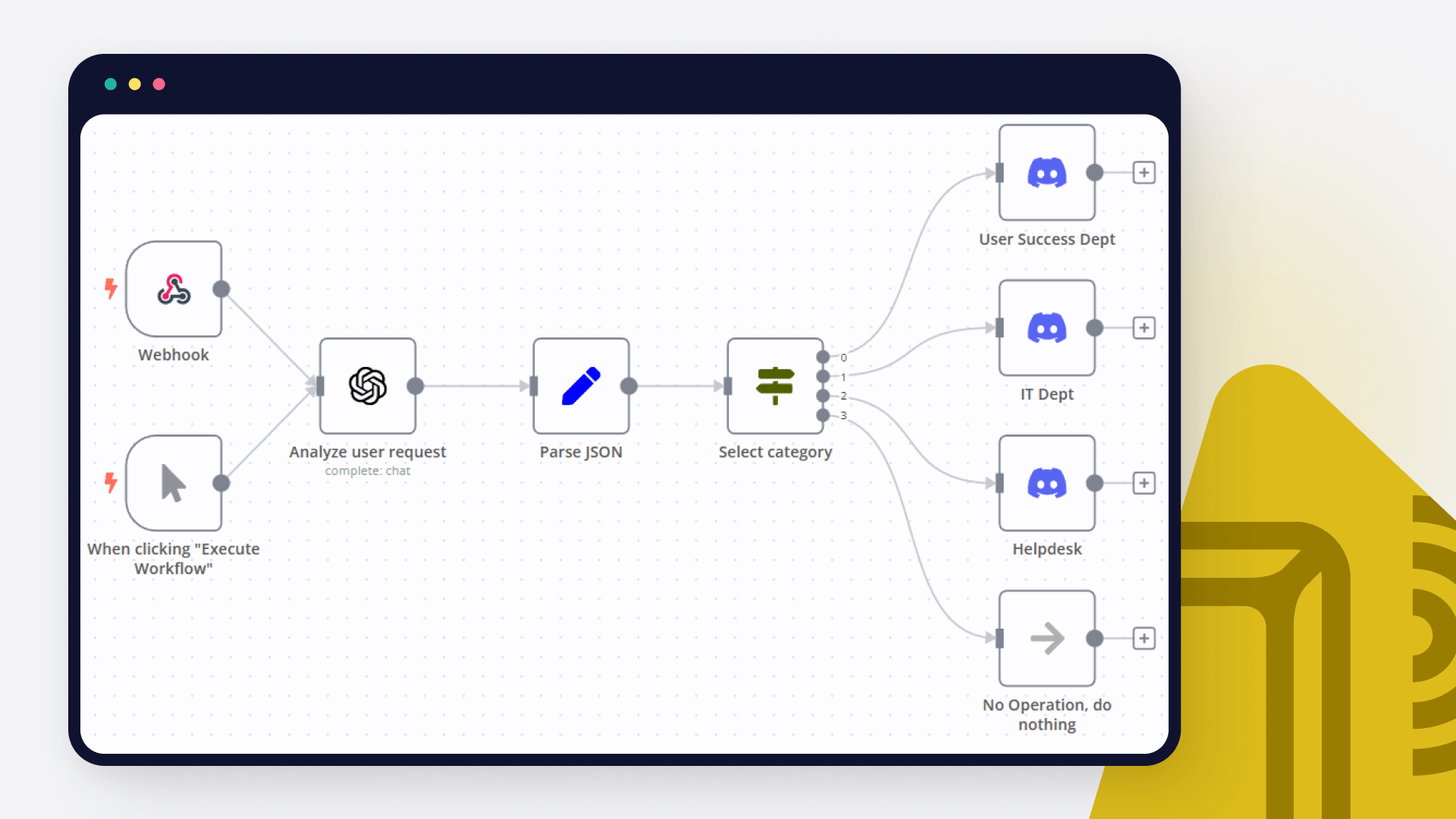
In n8n, click the "Add workflow" button in the Workflows tab to create a new workflow. Add the starting point – a trigger on when your workflow should run: an app event, a schedule, a webhook call, another workflow, an AI chat, or a manual trigger. Sometimes, the HTTP Request node might already serve as your starting point.
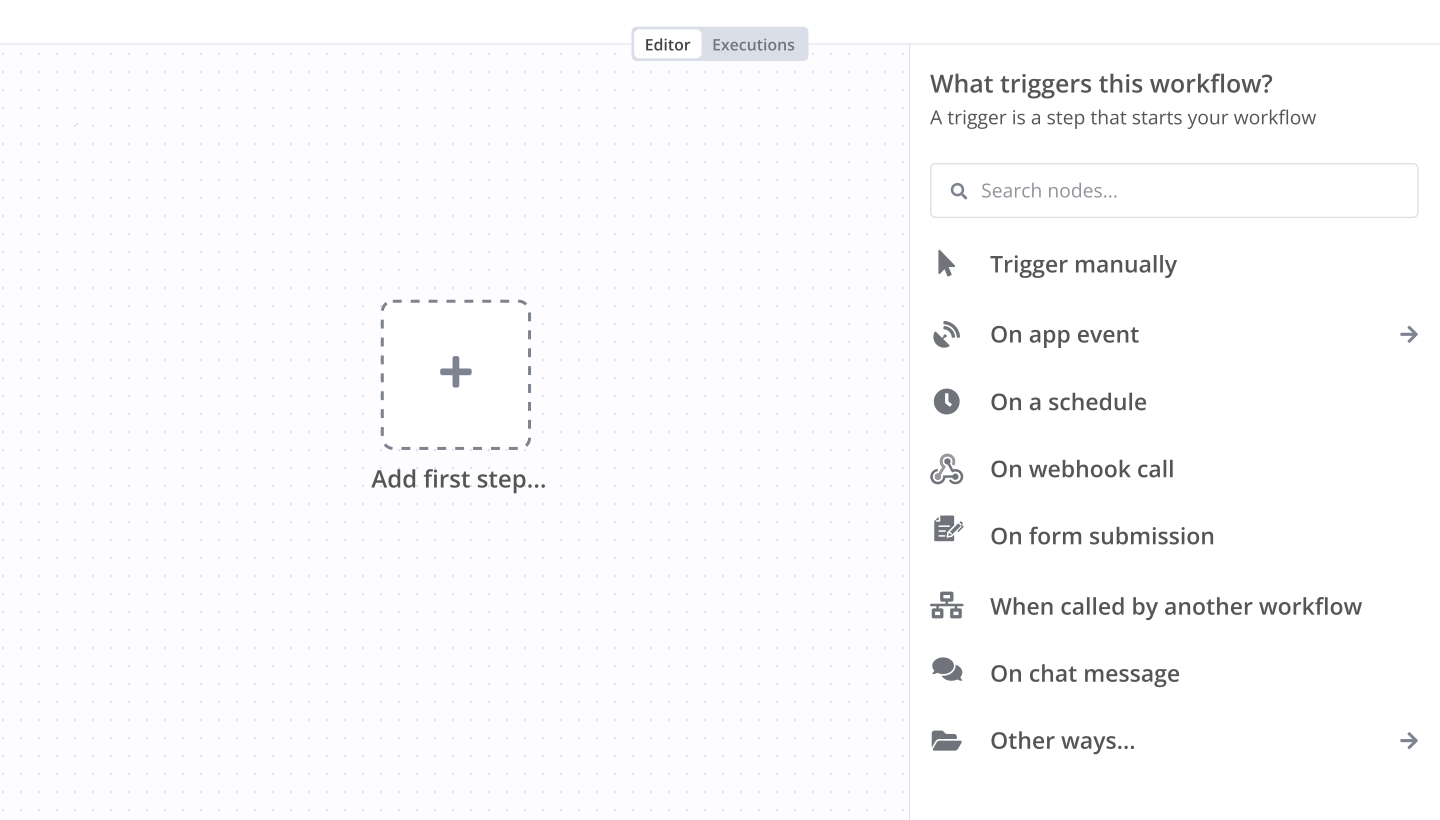
OpenAI and Microsoft SharePoint integration: Create a new workflow and add the first step

Step 2: Add and configure OpenAI and Microsoft SharePoint nodes

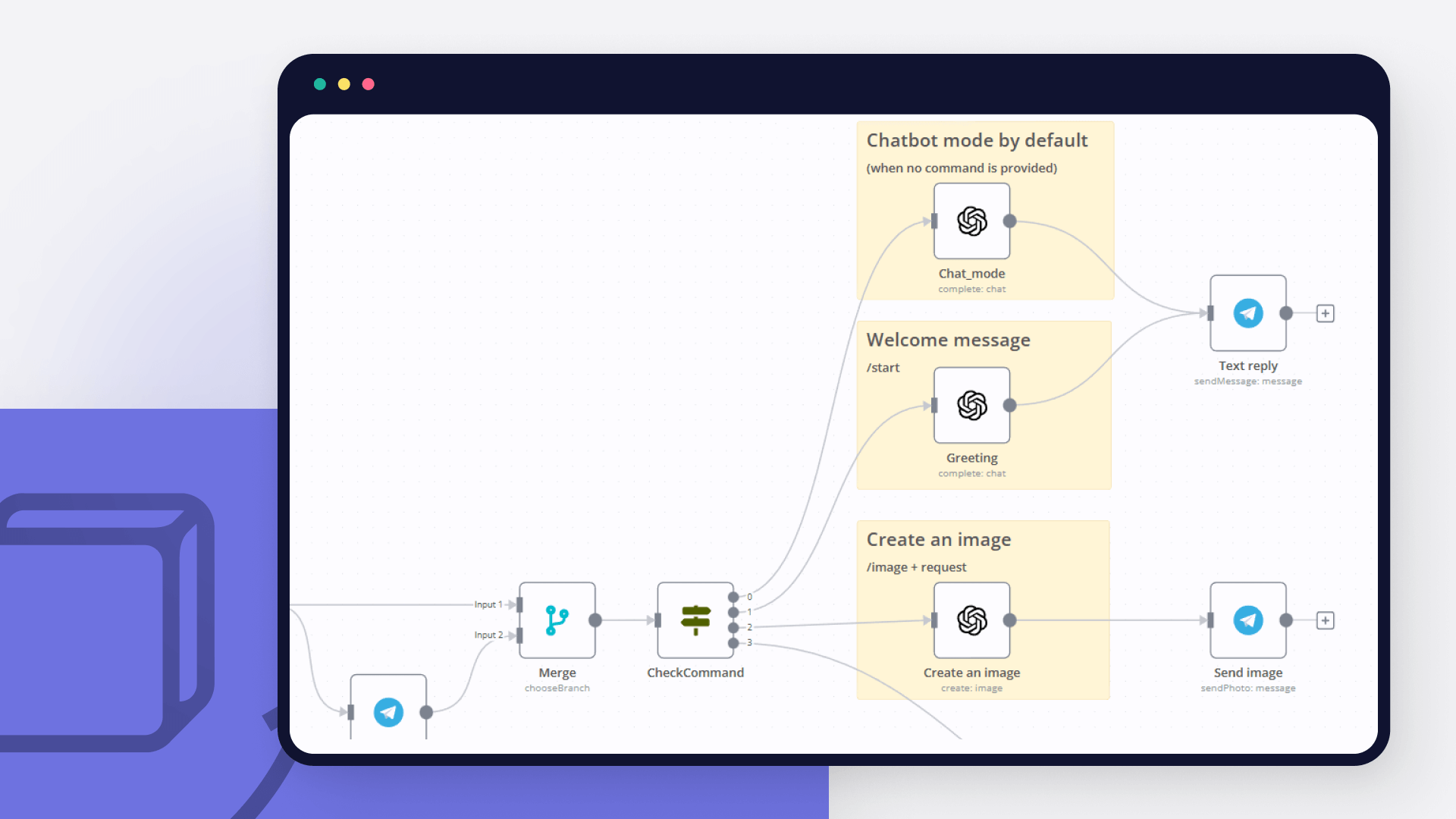
You can find OpenAI and Microsoft SharePoint in the nodes panel. Drag them onto your workflow canvas, selecting their actions. Click each node, choose a credential, and authenticate to grant n8n access. Configure OpenAI and Microsoft SharePoint nodes one by one: input data on the left, parameters in the middle, and output data on the right.

OpenAI and Microsoft SharePoint integration: Add and configure OpenAI and Microsoft SharePoint nodes

Step 3: Connect OpenAI and Microsoft SharePoint

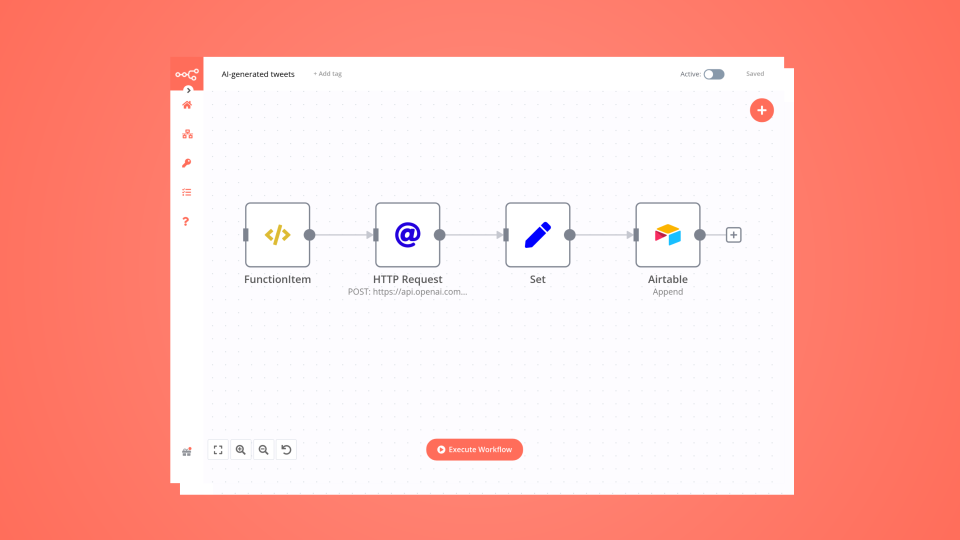
A connection establishes a link between OpenAI and Microsoft SharePoint (or vice versa) to route data through the workflow. Data flows from the output of one node to the input of another. You can have single or multiple connections for each node.

OpenAI and Microsoft SharePoint integration: Connect OpenAI and Microsoft SharePoint

Step 4: Customize and extend your OpenAI and Microsoft SharePoint integration

Use n8n's core nodes such as If, Split Out, Merge, and others to transform and manipulate data. Write custom JavaScript or Python in the Code node and run it as a step in your workflow. Connect OpenAI and Microsoft SharePoint with any of n8n’s 1000+ integrations, and incorporate advanced AI logic into your workflows.

OpenAI and Microsoft SharePoint integration: Customize and extend your OpenAI and Microsoft SharePoint integration

Step 5: Test and activate your OpenAI and Microsoft SharePoint workflow

Save and run the workflow to see if everything works as expected. Based on your configuration, data should flow from OpenAI to Microsoft SharePoint or vice versa. Easily debug your workflow: you can check past executions to isolate and fix the mistake. Once you've tested everything, make sure to save your workflow and activate it.

OpenAI and Microsoft SharePoint integration: Test and activate your OpenAI and Microsoft SharePoint workflow

Create weekly AI WordPress posts with images from SharePoint topics

AI Article Publisher — Scheduled WordPress Post from Topic List

This workflow automatically generates and publishes a full-length, SEO-optimized WordPress article on a weekly schedule. Topics are sourced from a SharePoint list. The AI agent writes the article body with embedded inline images, generates a separate featured (hero) image, creates a WordPress draft, and sends a notification email when complete.

How it works
Schedule Trigger fires on a configurable schedule (default: every Monday at 10 AM)
Get Topics pulls unposted items from a SharePoint list where PostID is null
Fetch WP Categories retrieves all WordPress categories from your site
Format Categories + Match Categories AI selects the best-fit category IDs for the topic
Write Article (AI Agent + web search) writes a 1,500–2,500-word HTML article with 3–4 embedded inline images via the image tool
Strip Code Fences + Generate Title clean the output and produce an SEO-optimized title
Add Draft to WP creates the post as a draft in WordPress
Generate Feature Image + Upload Image → Attach Featured Media sets the hero image on the post
Update SharePoint PostID stamps the list item with the new WP Post ID to prevent re-processing
Build Notification Email + Send Notification delivers a formatted HTML email summary to your team

Setup
WordPress credential**: Create an Application Password in WP Admin → Users → Profile. Set the WordPress API credential in all WordPress nodes.
WordPress site URL**: Replace YOUR_WP_SITE_URL placeholder in HTTP Request nodes with your domain (e.g., https://yoursite.com).
SharePoint credential: Add a Microsoft SharePoint OAuth2 credential and select your SharePoint site and list in the Get Topics and Update SharePoint PostID nodes.
OpenAI credential
: Add your OpenAI API key. GPT-4.1 (or GPT-4o) is recommended for the article agent; GPT-4.1-mini for category matching and title generation.
Google Gemini credential: Required for the **Generate Feature Image node. Add a Google PaLM/Gemini API key.
Image sub-workflow: The **Generate and Upload Image tool calls a separate image-generation sub-workflow. Deploy that workflow first and update the workflow ID in the tool node.
Notification email: Replace YOUR_NOTIFICATION_EMAIL in the **Send Notification node with your email address.

Customization
Change status: 'draft' to 'publish' in Add Draft to WP to auto-publish articles.
Adjust the article tone and CTA in the Write Article system prompt to match your brand voice.
Swap the SharePoint list for a Google Sheet or Airtable by replacing the Get Topics and Update Record nodes.

Visit automatedintelligentsolutions.com for more information and workflows.

Nodes used in this workflow

Popular OpenAI and Microsoft SharePoint workflows

+5

Create weekly AI WordPress posts with images from SharePoint topics

AI Article Publisher — Scheduled WordPress Post from Topic List This workflow automatically generates and publishes a full-length, SEO-optimized WordPress article on a weekly schedule. Topics are sourced from a SharePoint list. The AI agent writes the article body with embedded inline images, generates a separate featured (hero) image, creates a WordPress draft, and sends a notification email when complete. How it works Schedule Trigger fires on a configurable schedule (default: every Monday at 10 AM) Get Topics pulls unposted items from a SharePoint list where PostID is null Fetch WP Categories retrieves all WordPress categories from your site Format Categories + Match Categories AI selects the best-fit category IDs for the topic Write Article (AI Agent + web search) writes a 1,500–2,500-word HTML article with 3–4 embedded inline images via the image tool Strip Code Fences + Generate Title clean the output and produce an SEO-optimized title Add Draft to WP creates the post as a draft in WordPress Generate Feature Image + Upload Image → Attach Featured Media sets the hero image on the post Update SharePoint PostID stamps the list item with the new WP Post ID to prevent re-processing Build Notification Email + Send Notification delivers a formatted HTML email summary to your team Setup WordPress credential**: Create an Application Password in WP Admin → Users → Profile. Set the WordPress API credential in all WordPress nodes. WordPress site URL**: Replace YOUR_WP_SITE_URL placeholder in HTTP Request nodes with your domain (e.g., https://yoursite.com). SharePoint credential: Add a Microsoft SharePoint OAuth2 credential and select your SharePoint site and list in the **Get Topics and Update SharePoint PostID nodes. OpenAI credential**: Add your OpenAI API key. GPT-4.1 (or GPT-4o) is recommended for the article agent; GPT-4.1-mini for category matching and title generation. Google Gemini credential: Required for the **Generate Feature Image node. Add a Google PaLM/Gemini API key. Image sub-workflow: The **Generate and Upload Image tool calls a separate image-generation sub-workflow. Deploy that workflow first and update the workflow ID in the tool node. Notification email: Replace YOUR_NOTIFICATION_EMAIL in the **Send Notification node with your email address. Customization Change status: 'draft' to 'publish' in Add Draft to WP to auto-publish articles. Adjust the article tone and CTA in the Write Article system prompt to match your brand voice. Swap the SharePoint list for a Google Sheet or Airtable by replacing the Get Topics and Update Record nodes. Visit automatedintelligentsolutions.com for more information and workflows.

Build your own OpenAI and Microsoft SharePoint integration

Create custom OpenAI and Microsoft SharePoint workflows by choosing triggers and actions. Nodes come with global operations and settings, as well as app-specific parameters that can be configured. You can also use the HTTP Request node to query data from any app or service with a REST API.

OpenAI supported actions

Message a Model
Generate a model response with GPT 3, 4, 5, etc. using Responses API
Classify Text for Violations
Check whether content complies with usage policies
Analyze Image
Take in images and answer questions about them
Generate an Image
Creates an image from a text prompt
Edit Image
Edit an image
Generate Audio
Creates audio from a text prompt
Transcribe a Recording
Transcribes audio into text
Translate a Recording
Translates audio into text in English
Delete a File
Delete a file from the server
List Files
Returns a list of files that belong to the user's organization
Upload a File
Upload a file that can be used across various endpoints
Create
Create a conversation
Get
Get a conversation
Remove
Remove a conversation
Update
Update a conversation
Generate
Creates a video from a text prompt

Microsoft SharePoint supported actions

Download
Download a file
Update
Update a file
Upload
Upload an existing file
Create
Create an item in an existing list
Create or Update
Create a new item, or update the current one if it already exists (upsert)
Delete
Delete an item from a list
Get
Retrieve an item from a list
Get Many
Get specific items in a list or list many items
Update
Update an item in an existing list
Get
Retrieve details of a single list
Get Many
Retrieve a list of lists

OpenAI and Microsoft SharePoint integration details

FAQs

  • Can OpenAI connect with Microsoft SharePoint?

  • Can I use OpenAI’s API with n8n?

  • Can I use Microsoft SharePoint’s API with n8n?

  • Is n8n secure for integrating OpenAI and Microsoft SharePoint?

  • How to get started with OpenAI and Microsoft SharePoint integration in n8n.io?

Need help setting up your OpenAI and Microsoft SharePoint integration?

Discover our latest community's recommendations and join the discussions about OpenAI and Microsoft SharePoint integration.
Artem
sérgio eduardo floresta filho
Andrew adawdad
PinkFloyd
Steve Warburton

Looking to integrate OpenAI and Microsoft SharePoint in your company?

Over 3000 companies switch to n8n every single week

Why use n8n to integrate OpenAI with Microsoft SharePoint

Build complex workflows, really fast
Build complex workflows, really fast

Handle branching, merging and iteration easily.
Pause your workflow to wait for external events.

Code when you need it, UI when you don't

Simple debugging

Your data is displayed alongside your settings, making edge cases easy to track down.

Use templates to get started fast

Use 1000+ workflow templates available from our core team and our community.

Reuse your work

Copy and paste, easily import and export workflows.

Implement complex processes faster with n8n

red iconyellow iconred iconyellow icon