Back to Integrations
integrationGoogle Sheets node
integrationMicrosoft Outlook node

Google Sheets and Microsoft Outlook integration

Save yourself the work of writing custom integrations for Google Sheets and Microsoft Outlook and use n8n instead. Build adaptable and scalable Data & Storage, Productivity, Communication, and HITL workflows that work with your technology stack. All within a building experience you will love.

How to connect Google Sheets and Microsoft Outlook

  • Step 1: Create a new workflow
  • Step 2: Add and configure nodes
  • Step 3: Connect
  • Step 4: Customize and extend your integration
  • Step 5: Test and activate your workflow

Step 1: Create a new workflow and add the first step

In n8n, click the "Add workflow" button in the Workflows tab to create a new workflow. Add the starting point – a trigger on when your workflow should run: an app event, a schedule, a webhook call, another workflow, an AI chat, or a manual trigger. Sometimes, the HTTP Request node might already serve as your starting point.
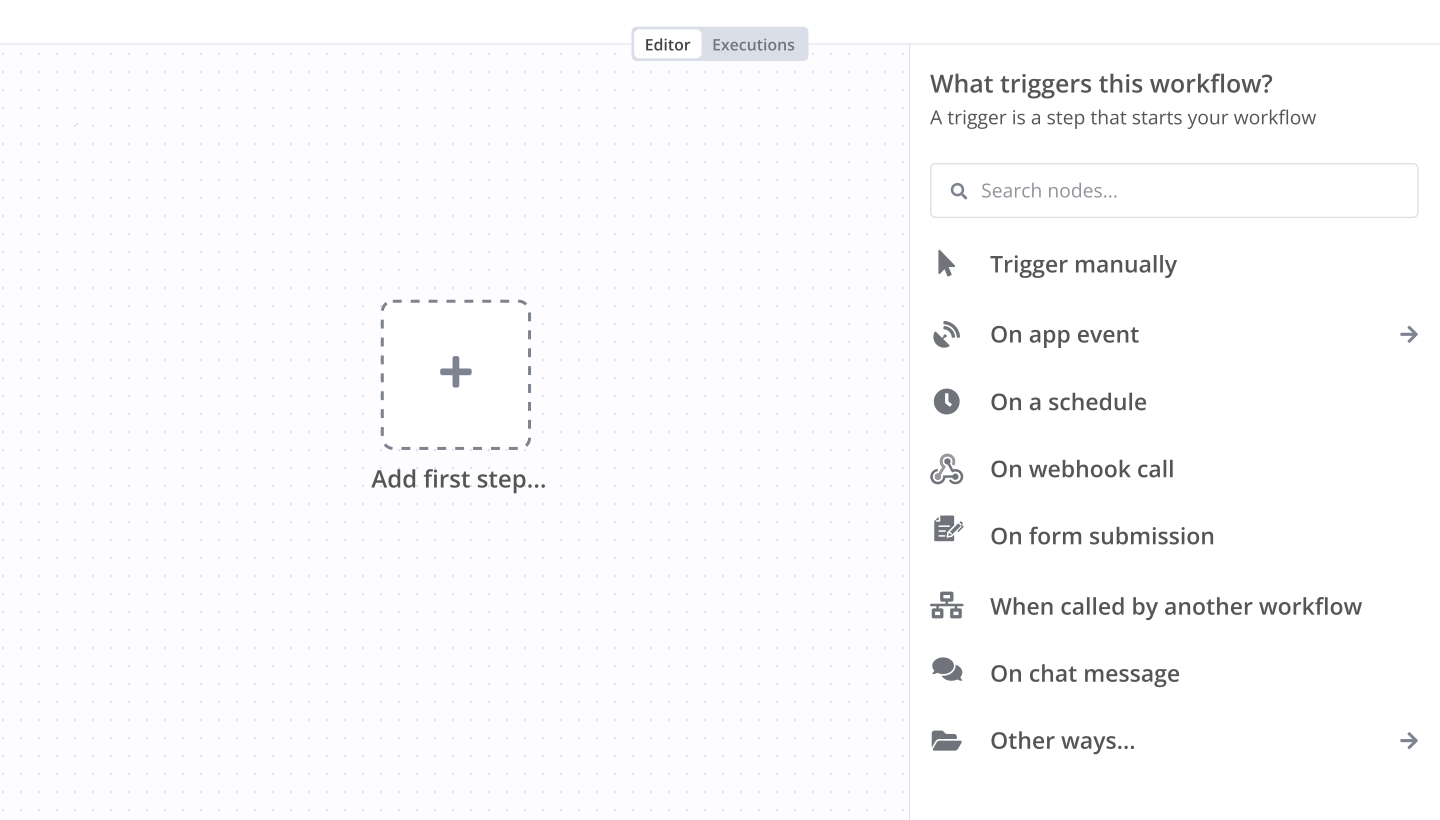
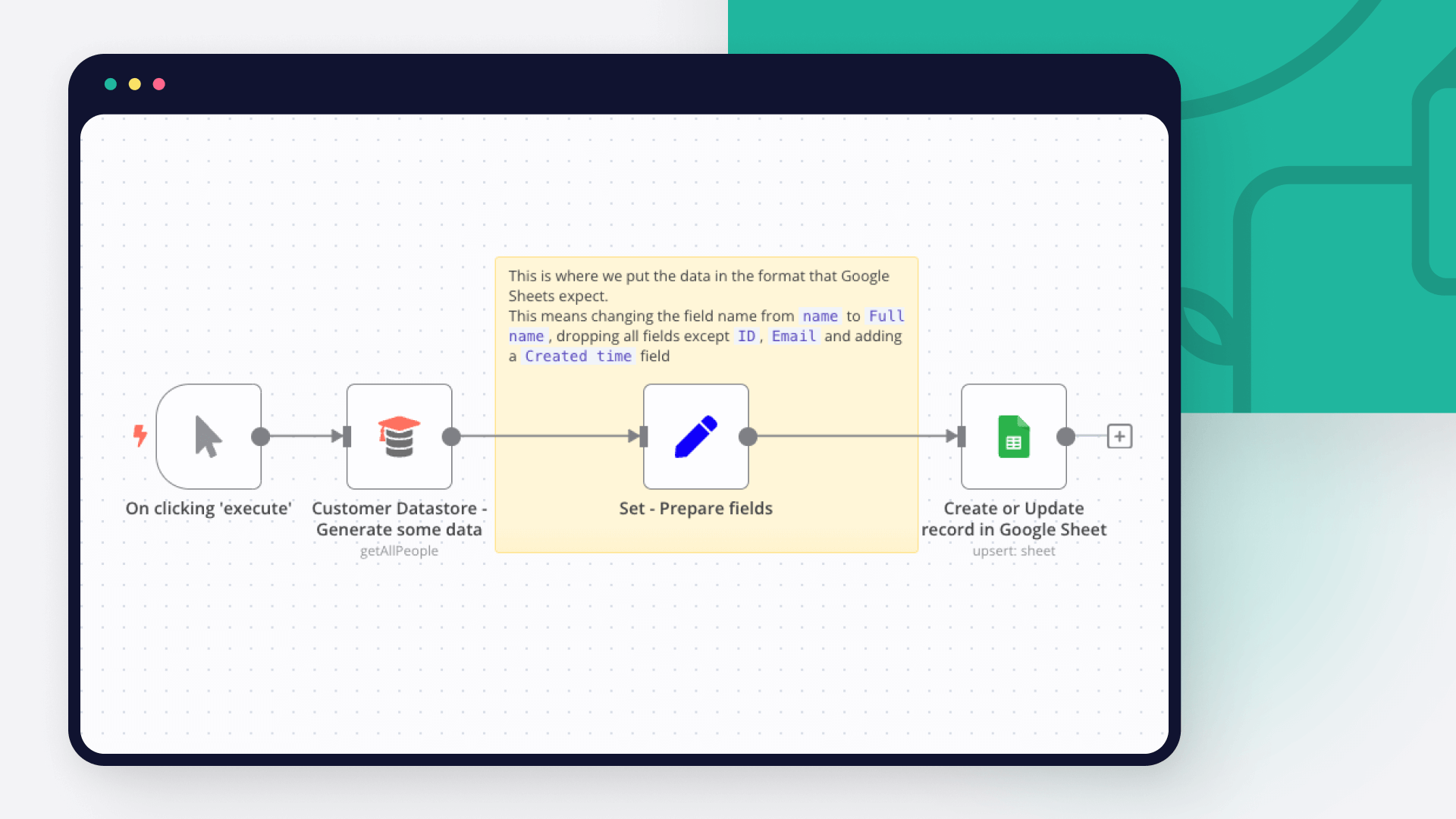
Google Sheets and Microsoft Outlook integration: Create a new workflow and add the first step

Step 2: Add and configure Google Sheets and Microsoft Outlook nodes

You can find Google Sheets and Microsoft Outlook in the nodes panel. Drag them onto your workflow canvas, selecting their actions. Click each node, choose a credential, and authenticate to grant n8n access. Configure Google Sheets and Microsoft Outlook nodes one by one: input data on the left, parameters in the middle, and output data on the right.

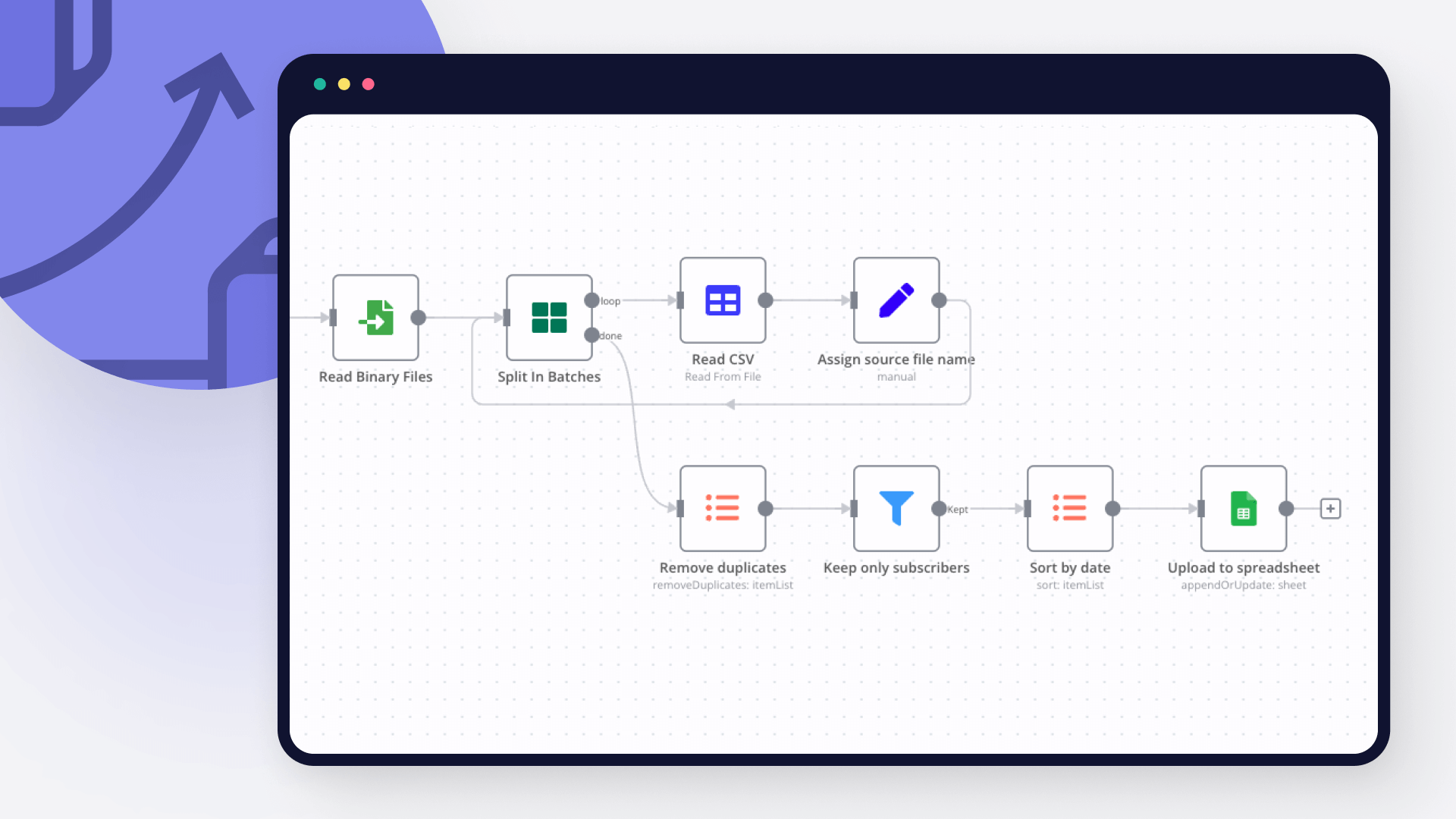
Google Sheets and Microsoft Outlook integration: Add and configure Google Sheets and Microsoft Outlook nodes

Step 3: Connect Google Sheets and Microsoft Outlook

A connection establishes a link between Google Sheets and Microsoft Outlook (or vice versa) to route data through the workflow. Data flows from the output of one node to the input of another. You can have single or multiple connections for each node.

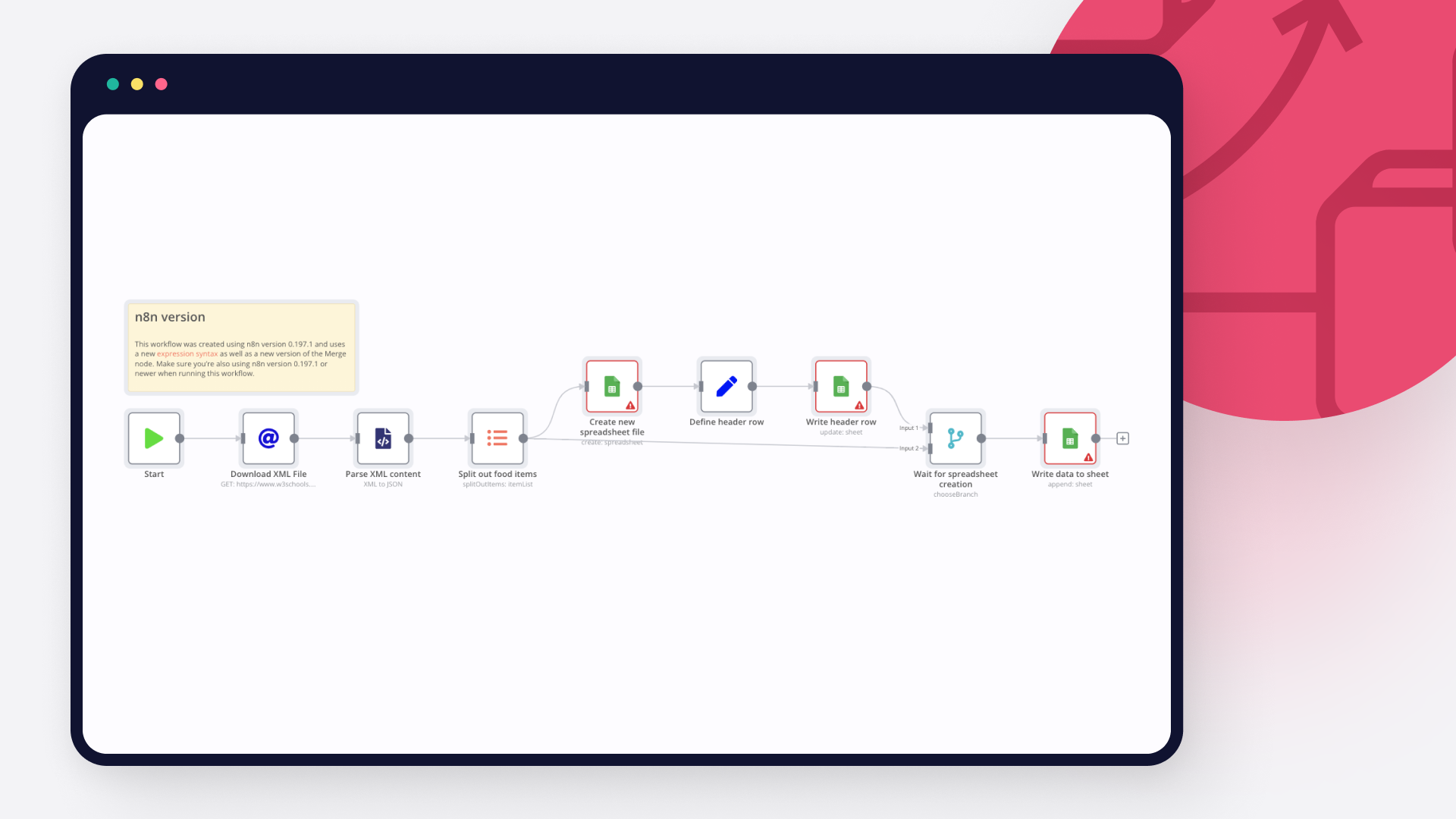
Google Sheets and Microsoft Outlook integration: Connect Google Sheets and Microsoft Outlook

Step 4: Customize and extend your Google Sheets and Microsoft Outlook integration

Use n8n's core nodes such as If, Split Out, Merge, and others to transform and manipulate data. Write custom JavaScript or Python in the Code node and run it as a step in your workflow. Connect Google Sheets and Microsoft Outlook with any of n8n’s 1000+ integrations, and incorporate advanced AI logic into your workflows.

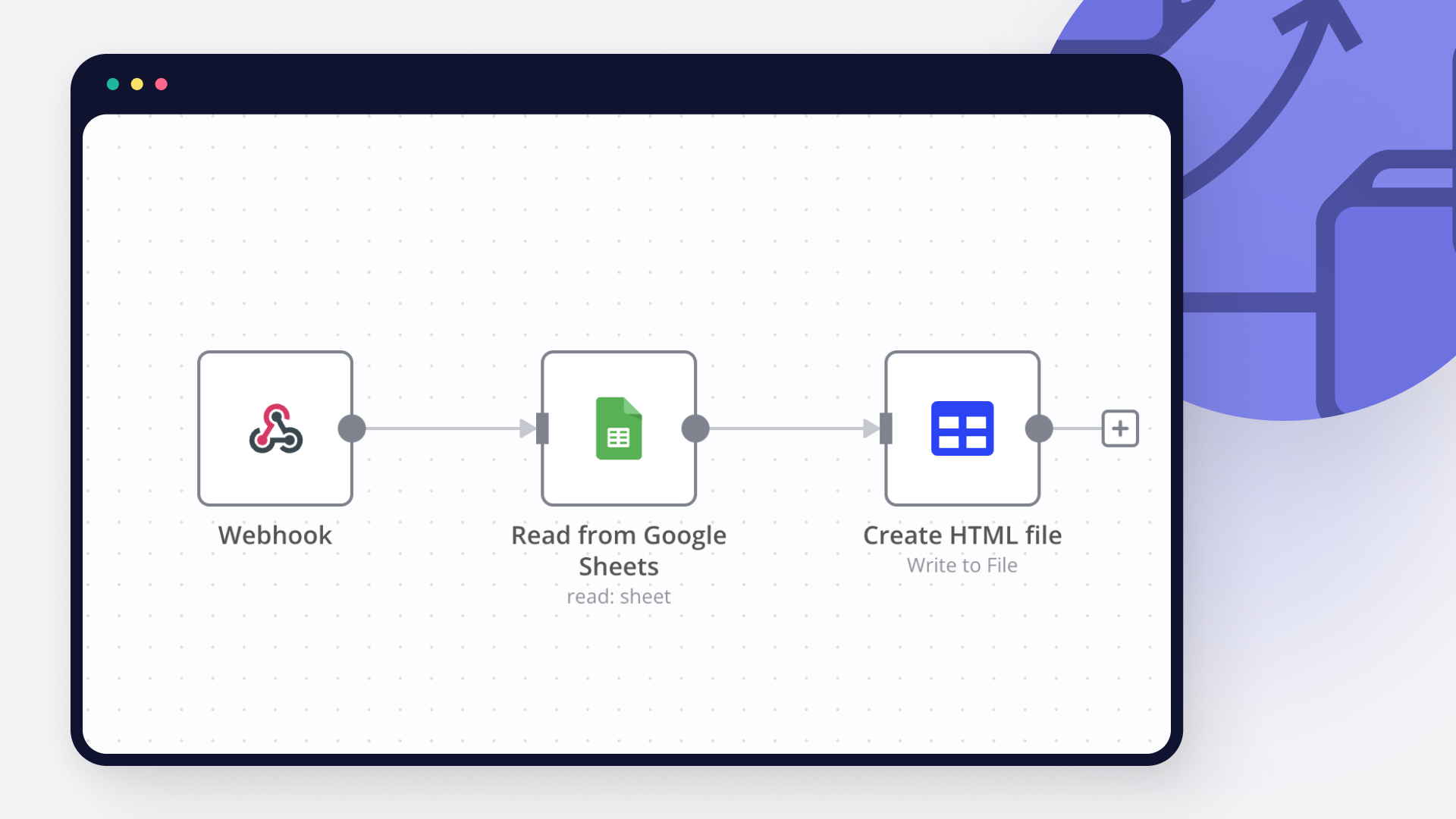
Google Sheets and Microsoft Outlook integration: Customize and extend your Google Sheets and Microsoft Outlook integration

Step 5: Test and activate your Google Sheets and Microsoft Outlook workflow

Save and run the workflow to see if everything works as expected. Based on your configuration, data should flow from Google Sheets to Microsoft Outlook or vice versa. Easily debug your workflow: you can check past executions to isolate and fix the mistake. Once you've tested everything, make sure to save your workflow and activate it.

Google Sheets and Microsoft Outlook integration: Test and activate your Google Sheets and Microsoft Outlook workflow

Gumroad Clientbell: Auto-log sales, ping Telegram, & thank via email

Who is this for?
This template is perfect for Gumroad creators, solopreneurs, digital product sellers, and freelancers who want to track and thank customers automatically — without spending time on manual work.

What problem does this solve?
Every sale is a moment to build trust. But manually checking your inbox for new orders, logging clients, and remembering to send a thank-you note? It’s time-consuming and inconsistent.

This workflow handles it all:
From sale → to sheet → to ping → to personalized “thank you” — all fully automated.

What this workflow does:
✅ Triggers on each new sale on Gumroad
📋 Extracts buyer details, amount paid, and product purchased
📈 Logs the sale to a Google Sheet for tracking
📲 Sends a Telegram approval message to notify you
💌 (Optional) Sends a Gmail thank-you email to the buyer
🔁 Keeps your workflow organized with color-coded notes and sample data

⚙️ Setup Instructions:

Create Gumroad API and connect the trigger node
Authenticate with Google Sheets to store each client
Connect your Telegram bot for real-time alerts
(Optional) Setup Gmail API for sending thank-you emails
Customize the email copy & sheet headers (e.g. % cut, timestamps)

🗒 Color-coded workflow notes:

To make customization smooth, the workflow includes a color-coded sticky note system:

🟩 Green Notes – Main building blocks (trigger, logging, ping, email)
🟦 Blue Notes – Setup guidance and editable fields (e.g. your email or brand name)
🟨 Yellow Notes – Optional upgrades (e.g. swap Gmail, use AI email generator, change to WhatsApp)

Each step has comments or hints to make your setup easy — whether you're new to n8n or a seasoned automator.

🔧 How to customize this workflow?

🎯 Swap Gmail with Outlook, SMTP, or Mailgun
🤖 Use AI (e.g. OpenAI or Claude) to draft personalized emails dynamically
📞 Replace Telegram with WhatsApp, Discord, or Slack
🗃️ Log to Airtable or Notion instead of Google Sheets
🧠 Add approval logic or advanced tagging in Gmail

🧾 Licensing & Support

This template is built by Velebit from Innovatio. External links (Gumroad store or support email) are included in the notes for optional help and upgrades.

A separate license applies to the paid version on Gumroad, which includes additional modules and commercial use rights.

📩 Support & customization: [email protected]

Nodes used in this workflow

Popular Google Sheets and Microsoft Outlook workflows

Email new leads from Google Sheets via Outlook on a schedule

Send a templated outreach email to new leads in a Google Sheet on a daily schedule, then mark each lead as contacted so they won’t be emailed twice. Built with: Schedule Trigger → Google Sheets → Filter → Outlook Send Email → Google Sheets (append/update). Who’s it for Teams that collect leads in Sheets and want automatic, once-per-lead outreach Solo founders/consultants running simple top-of-funnel follow-ups Anyone prototyping CRM-lite flows in n8n How it works / What it does Schedule Trigger runs daily (e.g., 09:00). Get rows (Google Sheets) pulls leads from your sheet. Filter keeps only rows where Contacted is empty. Outlook – Send a message emails each remaining lead (to = {{$json.Email}}). Google Sheets (appendOrUpdate) writes back Contacted = Yes (match on Email) to prevent re-sending. How to set up 1) Google Sheets (OAuth2) In n8n → Credentials → New → Google Sheets (OAuth2), sign in and grant access. In Get rows: select your Lead Source sheet (e.g., “New Leads”). In Append/Update: select the sheet you want to mark as contacted (can be the same sheet or a CRM sheet). Make sure your sheet has at least: Email, Contacted (blank for new). 2) Outlook (Microsoft Graph) OAuth2 n8n Cloud (quick connect):** In Credentials → New → Microsoft Outlook OAuth2, choose Connect, sign in with your Microsoft account, and accept permissions. Self-hosted (Azure App Registration):** 1) Azure Portal → App registrations → New registration. 2) Add redirect URL: https://YOUR_N8N_URL/rest/oauth2-credential/callback. 3) API permissions (Delegated): offline_access, Mail.Send, User.Read. Grant admin consent if required. 4) Create a Client secret; copy Application (client) ID and Directory (tenant) ID. 5) In n8n, create Microsoft Outlook OAuth2 credential with those values and scopes: offline_access Mail.Send openid email profile. In the Send a message node, select that credential and keep To mapped to {{$json.Email}}. Customize Subject and Body to your brand (default provided). Requirements A Google Sheet of leads with an Email column (and an optional Contacted column). A Microsoft account with permission to send mail via Microsoft Graph (Outlook). How to customize the workflow Email content:** Edit subject/body (add variables like {{$json.FirstName}}). Send window:** Change Schedule Trigger time/interval. Idempotency:** Use the same sheet for read+write (match on Email) or separate source/CRM sheets. Logging:** Add a Sheet or Notion append step after send for an audit trail. Security & best practices No hardcoded secrets:* Always use OAuth2 credentials* (Sheets & Outlook). Sanitize PII:* If publishing, remove real spreadsheet IDs/URLs* and personal emails/phone numbers. Sticky notes are mandatory:* Add a yellow sticky note* in the workflow with this description and a short setup checklist. Use neutral sticky notes for per-node tips. Troubleshooting No emails sent:** Ensure Contacted is blank for new rows and the Filter checks “is empty.” Auth errors (Outlook):** Reconnect credential; confirm Graph scopes and tenant consent. Sheets errors:** Re-select spreadsheet/tab; verify headers (Email, Contacted). Duplicates:* Confirm Append/Update uses matching column = Email*. Tags & category Category: Sales & CRM Tags: outreach, follow-up, google-sheets, outlook, schedule, dedupe, cold-email Changelog v1.0.0 — Initial release: scheduled outreach, Outlook email, de-dupe via Contacted = Yes. Contact Need help customizing (personalization, rate-limits, CRM sync, bounce checks)? 📧 [email protected] 🔗 Robert Breen — https://www.linkedin.com/in/robert-breen-29429625/ 🌐 ynteractive.com — https://ynteractive.com
+2

Automated Invoice-PO Matching with Google Gemini AI and Email Notifications

Automated Invoice-Processing AI Agent for n8n Overview The Automated Invoice-Processing AI Agent in n8n is designed to streamline and optimize invoice management for finance teams and accounts payable (AP) professionals. This solution addresses the common challenge of verifying invoice data manually, cross-checking it against purchase orders (POs), and ensuring compliance before releasing payments. By intelligently fetching invoices from Google Drive, extracting key details, validating them against PO records from Google Sheets, and automating the next actions, this system reduces human intervention, minimizes errors, and accelerates the payment process. Target Audience This automation primarily serves finance and AP teams responsible for managing large volumes of vendor invoices. It also supports finance managers, procurement departments, and auditors who require accuracy in payment reconciliation, ensuring that invoices align with approved POs before processing. Business Problem Addressed Organizations frequently struggle with time-consuming manual invoice verification and data entry. Discrepancies between invoices and purchase orders can lead to payment delays, compliance risks, or duplicate payments. This n8n-based AI agent automates that process—ensuring that every invoice is validated, exceptions are flagged to the finance team promptly, and payments of smaller value (under defined thresholds) are processed automatically. Prerequisites Active n8n account or self-hosted instance Google Drive and Google Sheets connected via n8n credentials LLM (AI node) configured for document extraction (optional but recommended) A Google Sheet set up with existing PO data (including PO Number, Amount, and Date fields) Setup Instructions Connect Google Drive and Google Sheets integrations within n8n. Configure the workflow trigger to monitor a designated "Invoices" folder. Add a document-parsing node to extract invoice details such as PO Number, Invoice Date, and Amount. Implement conditional logic: If the invoice amount > 5000, the agent cross-references PO details from the Google Sheet. If it matches, it updates the PO sheet status to “Process Payment.” If not, an automated email notifies the finance team. If the amount ≤ 5000, the workflow marks it for direct payment. Test the workflow with sample invoices before full deployment. Customization Options Adjust the payment threshold value (e.g., 10,000 instead of 5,000). Customize the email notification template and recipient list. Integrate with accounting systems such as QuickBooks or SAP for end-to-end automation. Add audit logging nodes to create traceability for every action taken. This AI-driven automation brings speed, accuracy, and scalability to invoice verification—empowering finance professionals to focus on analytical and strategic tasks rather than repetitive manual work.

Generate course certificates from Google Sheets with Stencil PDF and Outlook

Automatically generate and send course certificates when new participants are added to Google Sheets This workflow creates PDF certificates using Stencil, stores them in Google Drive, and emails them to participants. How it works A new row is added to the Google Sheets document (via form, webhook, or manual entry) The workflow generates a PDF certificate using the Stencil API The PDF is uploaded to a Google Drive folder for archiving The certificate is sent to the participant via Outlook The Google Sheet is updated with the file link and send timestamp Setup steps Create a free account at stencilpdf.com and set up a certificate template Connect your Google account and select the target Sheet and Drive folder Connect your Outlook account for sending emails Configure the Stencil API credentials (Bearer Auth) Adjust the email template text as needed Prerequisites Free Stencil account with certificate template Google account (Sheets + Drive) Outlook/Microsoft 365 account `
+4

Analyze Facebook Comment Sentiment with GPT-4, Slack, Sheets & Outlook Reports

📊 Description Automatically analyze the sentiment of Facebook posts and their audience comments using GPT-4 to identify trends and potential PR risks. 🧠💬 This workflow fetches recent posts via the Facebook Graph API, performs AI-powered sentiment analysis on both posts and comments, routes negative results to Slack for immediate attention, logs all data into Google Sheets, and sends a beautifully formatted sentiment summary report via Outlook. 📈📧 What This Template Does 1️⃣ Trigger – Runs daily at 10 AM to fetch the latest Facebook posts. ⏰ 2️⃣ Data Extraction – Pulls post text, reactions, and up to 100 comments per post using Facebook Graph API. 📲 3️⃣ Formatting – Structures and cleans Facebook data for AI analysis. 🧩 4️⃣ AI Sentiment Analysis – GPT-4 evaluates post tone and audience sentiment with confidence scores and explanations. 🤖 5️⃣ Routing – Sends negative sentiment alerts directly to Slack for quick response. ⚠️ 6️⃣ Logging – Records all sentiment metrics in Google Sheets, including positivity ratio and engagement data. 📊 7️⃣ Reporting – Generates a color-coded HTML email report and delivers it via Outlook. 💌 8️⃣ Error Handling – Sends Slack alerts if any node in the workflow fails. 🛡️ Key Benefits ✅ Monitors brand reputation automatically across Facebook comments ✅ Provides structured AI sentiment reports for data-driven decisions ✅ Flags negative audience sentiment for timely intervention ✅ Maintains an always-updated sentiment log in Google Sheets ✅ Delivers professional HTML summary emails to teams Features Automated daily trigger for post sentiment scanning Facebook Graph API integration for posts and comments GPT-4–powered comment tone and sentiment scoring Slack notifications for negative sentiment alerts Google Sheets sentiment dashboard logging Beautiful HTML report delivery through Microsoft Outlook Built-in error detection with Slack fallback alerts Requirements Facebook Graph API credentials with pages_read_engagement access OpenAI API key for GPT-4 or GPT-4o Slack Bot token with chat:write permission Google Sheets OAuth2 credentials with edit rights Microsoft Outlook OAuth2 credentials for email delivery Target Audience Social media and marketing teams monitoring brand perception 📣 PR teams managing engagement or audience sentiment 🧾 Analysts building data dashboards from engagement metrics 📊 Agencies offering automated reporting for client pages 🧑‍💼 Step-by-Step Setup Instructions 1️⃣ Connect Facebook Graph API credentials and set your page ID. 2️⃣ Add OpenAI credentials for GPT-4 sentiment analysis. 3️⃣ Configure Slack and provide your channel ID for alerts. 4️⃣ Set Google Sheets credentials and specify sheet ID and name. 5️⃣ Connect Microsoft Outlook for email report delivery. 6️⃣ Adjust the daily schedule (default 10 AM) as needed. 7️⃣ Run once manually to verify setup, then enable automation. ✅

Outlook Inbox Tamer: GPT-4.1 Powered Categorization, Auto Replies & Team Alerts

Outlook Inbox Tamer: AI-Powered Categorization, Auto Replies & Team Alerts This workflow automatically classifies and routes incoming Outlook emails into smart categories using n8n + OpenAI GPT-4.1-mini. It helps professionals and teams stay organized by intelligently sorting and responding to high-priority messages, customer support emails, promotions, and finance-related messages — all without manual effort. 🧠 Who’s It For Professionals or teams overwhelmed by email volume. Customer support, operations, or finance teams needing real-time triage. Anyone who wants AI to help manage and prioritize their Outlook inbox. ⚙️ How It Works Microsoft Outlook Trigger monitors your inbox for new emails. OpenAI GPT-4.1-mini analyzes each email and classifies it as one of: High_Priority Customer_Support Promotions Finance/Billing Routing node moves emails to matching Outlook folders. AI-generated replies and Telegram notifications keep the right team informed instantly. (Optional) Use Google Sheets + Manual Trigger to test with sample data before going live. 🛠️ Requirements Outlook account connected via Microsoft Outlook OAuth2. OpenAI API key** (set up in n8n credentials). (Optional) Telegram bot token for team alerts. (Optional) Google Sheets for test emails. 🔧 How to Set Up Import the workflow into your n8n instance. Add credentials for: Microsoft Outlook OpenAI Telegram (optional) Deploy and activate the workflow. Start sending or receiving emails — watch them get auto-classified and organized! 🧩 How to Customize Update the system prompt in the Email_Classifier_Agent to add more categories (like HR, Legal, etc.). Change Telegram recipients for alerts. Extend the workflow to post classified data into Notion, Slack, or CRM. 📘 Example Use Case An AI agent monitors your Outlook inbox, classifies incoming emails in real time, moves them to their respective folders, creates response drafts, and alerts your team instantly through Telegram. 💬 Connect with the Creator 👋 Created by Sandeep Patharkar 💼 Connect on LinkedIn 🌐 Join my Skool community for n8n + AI automation tutorials, live Q&As, and exclusive workflow templates. Category: Email Automation / AI Productivity Difficulty: Intermediate Estimated Setup Time: ⏱️ 10–15 minutes
+5

Gumroad Clientbell: Auto-Log Sales, Ping Telegram, & Thank via Email

Who is this for? This template is perfect for Gumroad creators, solopreneurs, digital product sellers, and freelancers who want to track and thank customers automatically — without spending time on manual work. What problem does this solve? Every sale is a moment to build trust. But manually checking your inbox for new orders, logging clients, and remembering to send a thank-you note? It’s time-consuming and inconsistent. This workflow handles it all: From sale → to sheet → to ping → to personalized “thank you” — all fully automated. What this workflow does: ✅ Triggers on each new sale on Gumroad 📋 Extracts buyer details, amount paid, and product purchased 📈 Logs the sale to a Google Sheet for tracking 📲 Sends a Telegram approval message to notify you 💌 (Optional) Sends a Gmail thank-you email to the buyer 🔁 Keeps your workflow organized with color-coded notes and sample data ⚙️ Setup Instructions: Create Gumroad API and connect the trigger node Authenticate with Google Sheets to store each client Connect your Telegram bot for real-time alerts (Optional) Setup Gmail API for sending thank-you emails Customize the email copy & sheet headers (e.g. % cut, timestamps) 🗒 Color-coded workflow notes: To make customization smooth, the workflow includes a color-coded sticky note system: 🟩 Green Notes – Main building blocks (trigger, logging, ping, email) 🟦 Blue Notes – Setup guidance and editable fields (e.g. your email or brand name) 🟨 Yellow Notes – Optional upgrades (e.g. swap Gmail, use AI email generator, change to WhatsApp) Each step has comments or hints to make your setup easy — whether you're new to n8n or a seasoned automator. 🔧 How to customize this workflow? 🎯 Swap Gmail with Outlook, SMTP, or Mailgun 🤖 Use AI (e.g. OpenAI or Claude) to draft personalized emails dynamically 📞 Replace Telegram with WhatsApp, Discord, or Slack 🗃️ Log to Airtable or Notion instead of Google Sheets 🧠 Add approval logic or advanced tagging in Gmail 🧾 Licensing & Support This template is built by Velebit from Innovatio. External links (Gumroad store or support email) are included in the notes for optional help and upgrades. A separate license applies to the paid version on Gumroad, which includes additional modules and commercial use rights. 📩 Support & customization: [email protected]

Build your own Google Sheets and Microsoft Outlook integration

Create custom Google Sheets and Microsoft Outlook workflows by choosing triggers and actions. Nodes come with global operations and settings, as well as app-specific parameters that can be configured. You can also use the HTTP Request node to query data from any app or service with a REST API.

Google Sheets supported actions

Create
Create a spreadsheet
Delete
Delete a spreadsheet
Append or Update Row
Append a new row or update an existing one (upsert)
Append Row
Create a new row in a sheet
Clear
Delete all the contents or a part of a sheet
Create
Create a new sheet
Delete
Permanently delete a sheet
Delete Rows or Columns
Delete columns or rows from a sheet
Get Row(s)
Retrieve one or more rows from a sheet
Update Row
Update an existing row in a sheet

Microsoft Outlook supported actions

Create
Create a new calendar
Delete
Delete a calendar
Get
Retrieve a calendar
Get Many
List and search calendars
Update
Update a calendar
Create
Create a new contact
Delete
Delete a contact
Get
Retrieve a contact
Get Many
List and search contacts
Update
Update a contact
Create
Create a new email draft
Delete
Delete an email draft
Get
Retrieve an email draft
Send
Send an existing email draft
Update
Update an email draft
Create
Create a new event
Delete
Delete an event
Get
Retrieve an event
Get Many
List and search events
Update
Update an event
Create
Create a mail folder in the root folder of the user's mailbox
Delete
Delete a folder
Get
Retrieve a folder
Get Many
Get many folders
Update
Update a folder
Get Many
Retrieves the messages in a folder
Delete
Delete a message
Get
Retrieve a single message
Get Many
List and search messages
Move
Move a message to a folder
Reply
Create a reply to a message
Send
Send a message
Send and Wait for Response
Send a message and wait for response
Update
Update a message
Add
Add an attachment to a message
Download
Download an attachment from a message
Get
Retrieve information about an attachment of a message
Get Many
Retrieve information about the attachments of a message

FAQs

  • Can Google Sheets connect with Microsoft Outlook?

  • Can I use Google Sheets’s API with n8n?

  • Can I use Microsoft Outlook’s API with n8n?

  • Is n8n secure for integrating Google Sheets and Microsoft Outlook?

  • How to get started with Google Sheets and Microsoft Outlook integration in n8n.io?

Need help setting up your Google Sheets and Microsoft Outlook integration?

Discover our latest community's recommendations and join the discussions about Google Sheets and Microsoft Outlook integration.
Sergey Komardenkov
sérgio eduardo floresta filho
Julian
therealJMT
Guilherme

Looking to integrate Google Sheets and Microsoft Outlook in your company?

Over 3000 companies switch to n8n every single week

Why use n8n to integrate Google Sheets with Microsoft Outlook

Build complex workflows, really fast

Build complex workflows, really fast

Handle branching, merging and iteration easily.
Pause your workflow to wait for external events.

Code when you need it, UI when you don't

Simple debugging

Your data is displayed alongside your settings, making edge cases easy to track down.

Use templates to get started fast

Use 1000+ workflow templates available from our core team and our community.

Reuse your work

Copy and paste, easily import and export workflows.

Implement complex processes faster with n8n

red iconyellow iconred iconyellow icon