Back to Integrations
integrationWebhook node
integrationMicrosoft To Do node

Webhook and Microsoft To Do integration

Save yourself the work of writing custom integrations for Webhook and Microsoft To Do and use n8n instead. Build adaptable and scalable Development, Core Nodes, and Productivity workflows that work with your technology stack. All within a building experience you will love.

How to connect Webhook and Microsoft To Do

  • Step 1: Create a new workflow
  • Step 2: Add and configure nodes
  • Step 3: Connect
  • Step 4: Customize and extend your integration
  • Step 5: Test and activate your workflow

Step 1: Create a new workflow and add the first step

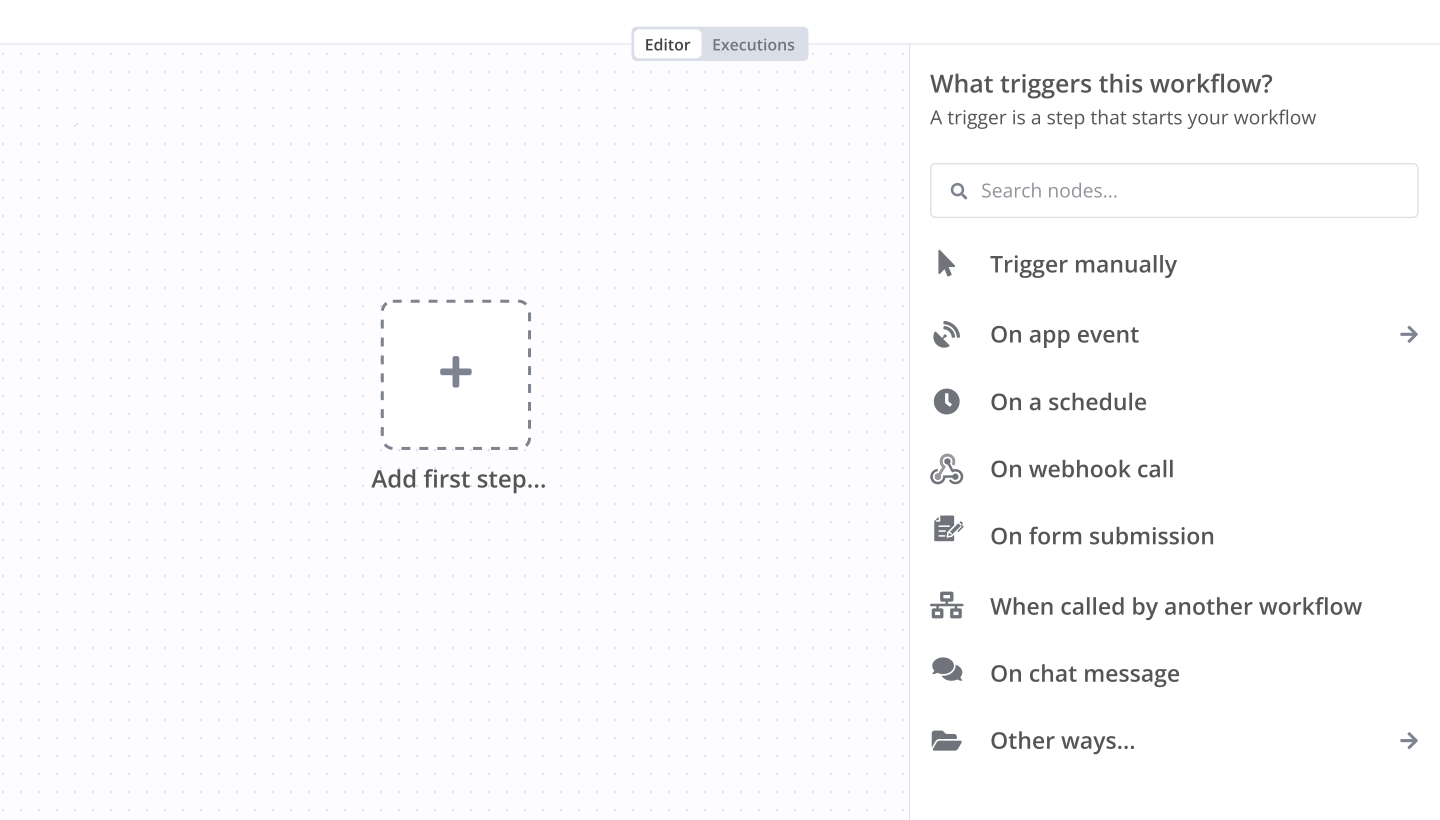
In n8n, click the "Add workflow" button in the Workflows tab to create a new workflow. Add the starting point – a trigger on when your workflow should run: an app event, a schedule, a webhook call, another workflow, an AI chat, or a manual trigger. Sometimes, the HTTP Request node might already serve as your starting point.

Webhook and Microsoft To Do integration: Create a new workflow and add the first step

Step 2: Add and configure Webhook and Microsoft To Do nodes

You can find Webhook and Microsoft To Do in the nodes panel. Drag them onto your workflow canvas, selecting their actions. Click each node, choose a credential, and authenticate to grant n8n access. Configure Webhook and Microsoft To Do nodes one by one: input data on the left, parameters in the middle, and output data on the right.

Webhook and Microsoft To Do integration: Add and configure Webhook and Microsoft To Do nodes

Step 3: Connect Webhook and Microsoft To Do

A connection establishes a link between Webhook and Microsoft To Do (or vice versa) to route data through the workflow. Data flows from the output of one node to the input of another. You can have single or multiple connections for each node.

Webhook and Microsoft To Do integration: Connect Webhook and Microsoft To Do

Step 4: Customize and extend your Webhook and Microsoft To Do integration

Use n8n's core nodes such as If, Split Out, Merge, and others to transform and manipulate data. Write custom JavaScript or Python in the Code node and run it as a step in your workflow. Connect Webhook and Microsoft To Do with any of n8n’s 1000+ integrations, and incorporate advanced AI logic into your workflows.

Webhook and Microsoft To Do integration: Customize and extend your Webhook and Microsoft To Do integration

Step 5: Test and activate your Webhook and Microsoft To Do workflow

Save and run the workflow to see if everything works as expected. Based on your configuration, data should flow from Webhook to Microsoft To Do or vice versa. Easily debug your workflow: you can check past executions to isolate and fix the mistake. Once you've tested everything, make sure to save your workflow and activate it.

Webhook and Microsoft To Do integration: Test and activate your Webhook and Microsoft To Do workflow

LINE messages with GPT: Save notes, namecard data and tasks

This workflow template, "Personal Assistant to Note Messages and Extract Namecard Information" is designed to streamline the processing of incoming messages on the LINE messaging platform. It integrates with powerful tools like Microsoft Teams , Microsoft To Do , OneDrive , and OpenRouter.ai to handle tasks such as saving notes, extracting namecard information, and organizing images. Whether you’re managing personal productivity or automating workflows for teams, this template offers a versatile and customizable solution.

By leveraging this workflow, you can automate repetitive tasks, improve collaboration, and enhance efficiency in handling LINE messages.

Who Is This Template For?
This template is ideal for:

Professionals: Who want to save important messages, extract data from namecards, or organize images automatically.
Teams: Looking to integrate LINE messages into tools like Microsoft Teams and Microsoft To Do for better collaboration.
Developers: Seeking to build intelligent workflows that process text, images, and other inputs from LINE.
Business Owners: Who need to manage customer interactions, follow-ups, and task tracking efficiently.

What Problem Does This Workflow Solve?
Managing incoming messages on LINE can be time-consuming, especially when dealing with diverse input types like text, images, and namecards. This workflow solves that problem by:
Automatically identifying and routing different message types (text, images, namecards) to appropriate actions.
Extracting structured data from namecards and saving it for follow-up tasks.
Uploading images to OneDrive and saving text messages to Microsoft Teams or Microsoft To Do for easy access.
Sending real-time feedback to users via LINE to confirm that their messages have been processed.

What This Workflow Does
Receive Messages via LINE Webhook:
The workflow is triggered whenever a user sends a message (text, image, or other types) to the LINE bot.
Display Loading Animation:
A loading animation is displayed to reassure the user that their request is being processed.
Route Input Types:

The workflow uses a Switch node to determine the type of input:
Text Starting with "T": Adds the message as a task in Microsoft To Do.
Plain Text: Saves the message in Microsoft Teams under a designated channel (e.g., "Notes").
Images: Identifies whether the image is a namecard, handwritten note, or other content, then processes accordingly.
Unsupported formats trigger a polite response indicating the limitation.
Process Namecards:

*Images *
If the image is identified as a namecard, the workflow extracts structured data (e.g., name, email, phone number) using OpenRouter.ai and saves it to Microsoft To Do for follow-up tasks.
Save Images to OneDrive:

Images are uploaded to OneDrive, renamed based on their unique message ID, and linked in Microsoft Teams for reference.

Send Feedback via LINE:
The workflow replies to the user with confirmation messages, such as "[ Task Created ]" or "[ Message Saved ]."

Setup Guide
Pre-Requisites
Access to the LINE Developers Console to configure your webhook and bot.
Accounts for Microsoft Teams , Microsoft To Do, and OneDrive with API access.
An OpenRouter.ai account with credentials to access models like GPT-4o.
Basic knowledge of APIs, webhooks, and JSON formatting.

Step-by-Step Setup

  1. Configure the LINE Webhook:
    Go to the LINE Developers Console and set up a webhook to receive incoming messages.
    Copy the Webhook URL from the Line Webhook node and paste it into the LINE Console.
    Remove any "test" configurations when moving to production.
  2. Set Up Microsoft Integrations:
    Connect your Microsoft Teams, Microsoft To Do, and OneDrive accounts to the respective nodes in the workflow.
  3. Set Up OpenRouter.ai:
    Create an account on OpenRouter.ai and obtain your API credentials.
    Connect your credentials to the OpenRouter nodes in the workflow.

Test the Workflow:
Simulate sending text, images, and namecards to the LINE bot to verify that all actions are processed correctly.

How to Customize This Workflow to Your Needs
Add More Actions: Extend the workflow to handle additional input types or integrate with other tools.
Enhance Image Processing: Use advanced OCR tools to improve text extraction from complex images.
Customize Feedback Messages: Modify the reply format to include emojis, links, or other formatting options.
Expand Use Cases: Adapt the workflow for specific industries, such as sales or customer support, by tailoring the actions to relevant tasks.

Why Use This Template?
Versatile Automation: Handles multiple input types (text, images, namecards) with ease.
Seamless Integration: Connects LINE messages to popular productivity tools like Microsoft Teams and To Do.
Structured Data Extraction: Extracts and organizes data from namecards, saving time and effort.
Real-Time Feedback: Keeps users informed about the status of their requests with instant notifications.

Nodes used in this workflow

Popular Webhook and Microsoft To Do workflows

+2

LINE Messages with GPT: Save Notes, Namecard Data and Tasks

This workflow template, "Personal Assistant to Note Messages and Extract Namecard Information" is designed to streamline the processing of incoming messages on the LINE messaging platform. It integrates with powerful tools like Microsoft Teams , Microsoft To Do , OneDrive , and OpenRouter.ai to handle tasks such as saving notes, extracting namecard information, and organizing images. Whether you’re managing personal productivity or automating workflows for teams, this template offers a versatile and customizable solution. By leveraging this workflow, you can automate repetitive tasks, improve collaboration, and enhance efficiency in handling LINE messages. Who Is This Template For? This template is ideal for: Professionals: Who want to save important messages, extract data from namecards, or organize images automatically. Teams: Looking to integrate LINE messages into tools like Microsoft Teams and Microsoft To Do for better collaboration. Developers: Seeking to build intelligent workflows that process text, images, and other inputs from LINE. Business Owners: Who need to manage customer interactions, follow-ups, and task tracking efficiently. What Problem Does This Workflow Solve? Managing incoming messages on LINE can be time-consuming, especially when dealing with diverse input types like text, images, and namecards. This workflow solves that problem by: Automatically identifying and routing different message types (text, images, namecards) to appropriate actions. Extracting structured data from namecards and saving it for follow-up tasks. Uploading images to OneDrive and saving text messages to Microsoft Teams or Microsoft To Do for easy access. Sending real-time feedback to users via LINE to confirm that their messages have been processed. What This Workflow Does Receive Messages via LINE Webhook: The workflow is triggered whenever a user sends a message (text, image, or other types) to the LINE bot. Display Loading Animation: A loading animation is displayed to reassure the user that their request is being processed. Route Input Types: The workflow uses a Switch node to determine the type of input: Text Starting with "T": Adds the message as a task in Microsoft To Do. Plain Text: Saves the message in Microsoft Teams under a designated channel (e.g., "Notes"). Images: Identifies whether the image is a namecard, handwritten note, or other content, then processes accordingly. Unsupported formats trigger a polite response indicating the limitation. Process Namecards: *Images * If the image is identified as a namecard, the workflow extracts structured data (e.g., name, email, phone number) using OpenRouter.ai and saves it to Microsoft To Do for follow-up tasks. Save Images to OneDrive: Images are uploaded to OneDrive, renamed based on their unique message ID, and linked in Microsoft Teams for reference. Send Feedback via LINE: The workflow replies to the user with confirmation messages, such as "[ Task Created ]" or "[ Message Saved ]." Setup Guide Pre-Requisites Access to the LINE Developers Console to configure your webhook and bot. Accounts for Microsoft Teams , Microsoft To Do, and OneDrive with API access. An OpenRouter.ai account with credentials to access models like GPT-4o. Basic knowledge of APIs, webhooks, and JSON formatting. Step-by-Step Setup 1) Configure the LINE Webhook: Go to the LINE Developers Console and set up a webhook to receive incoming messages. Copy the Webhook URL from the Line Webhook node and paste it into the LINE Console. Remove any "test" configurations when moving to production. 2) Set Up Microsoft Integrations: Connect your Microsoft Teams, Microsoft To Do, and OneDrive accounts to the respective nodes in the workflow. 3) Set Up OpenRouter.ai: Create an account on OpenRouter.ai and obtain your API credentials. Connect your credentials to the OpenRouter nodes in the workflow. Test the Workflow: Simulate sending text, images, and namecards to the LINE bot to verify that all actions are processed correctly. How to Customize This Workflow to Your Needs Add More Actions: Extend the workflow to handle additional input types or integrate with other tools. Enhance Image Processing: Use advanced OCR tools to improve text extraction from complex images. Customize Feedback Messages: Modify the reply format to include emojis, links, or other formatting options. Expand Use Cases: Adapt the workflow for specific industries, such as sales or customer support, by tailoring the actions to relevant tasks. Why Use This Template? Versatile Automation: Handles multiple input types (text, images, namecards) with ease. Seamless Integration: Connects LINE messages to popular productivity tools like Microsoft Teams and To Do. Structured Data Extraction: Extracts and organizes data from namecards, saving time and effort. Real-Time Feedback: Keeps users informed about the status of their requests with instant notifications.

Build your own Webhook and Microsoft To Do integration

Create custom Webhook and Microsoft To Do workflows by choosing triggers and actions. Nodes come with global operations and settings, as well as app-specific parameters that can be configured. You can also use the HTTP Request node to query data from any app or service with a REST API.

Microsoft To Do supported actions

Create
Delete
Get
Get Many
Update
Create
Delete
Get
Get Many
Update
Create
Delete
Get
Get Many
Update

Webhook and Microsoft To Do integration details

integrationWebhook node
Webhook

Webhooks are automatic notifications that apps send when something occurs. They are sent to a certain URL, which is effectively the app's phone number or address, and contain a message or payload. Polling is nearly never quicker than webhooks, and it takes less effort from you.

Use case

Save engineering resources

Reduce time spent on customer integrations, engineer faster POCs, keep your customer-specific functionality separate from product all without having to code.

Learn more

FAQs

  • Can Webhook connect with Microsoft To Do?

  • Can I use Webhook’s API with n8n?

  • Can I use Microsoft To Do’s API with n8n?

  • Is n8n secure for integrating Webhook and Microsoft To Do?

  • How to get started with Webhook and Microsoft To Do integration in n8n.io?

Need help setting up your Webhook and Microsoft To Do integration?

Discover our latest community's recommendations and join the discussions about Webhook and Microsoft To Do integration.
Benjamin Hatton
Albert Ashkhatoyan
Víctor González
Salomão
sg tech

Looking to integrate Webhook and Microsoft To Do in your company?

Over 3000 companies switch to n8n every single week

Why use n8n to integrate Webhook with Microsoft To Do

Build complex workflows, really fast

Build complex workflows, really fast

Handle branching, merging and iteration easily.
Pause your workflow to wait for external events.

Code when you need it, UI when you don't

Simple debugging

Your data is displayed alongside your settings, making edge cases easy to track down.

Use templates to get started fast

Use 1000+ workflow templates available from our core team and our community.

Reuse your work

Copy and paste, easily import and export workflows.

Implement complex processes faster with n8n

red iconyellow iconred iconyellow icon