Back to Integrations
integrationGoogle Docs node
integrationSalesforce node

Google Docs and Salesforce integration

Save yourself the work of writing custom integrations for Google Docs and Salesforce and use n8n instead. Build adaptable and scalable Miscellaneous, Sales, and Communication workflows that work with your technology stack. All within a building experience you will love.

How to connect Google Docs and Salesforce

  • Step 1: Create a new workflow
  • Step 2: Add and configure nodes
  • Step 3: Connect
  • Step 4: Customize and extend your integration
  • Step 5: Test and activate your workflow

Step 1: Create a new workflow and add the first step

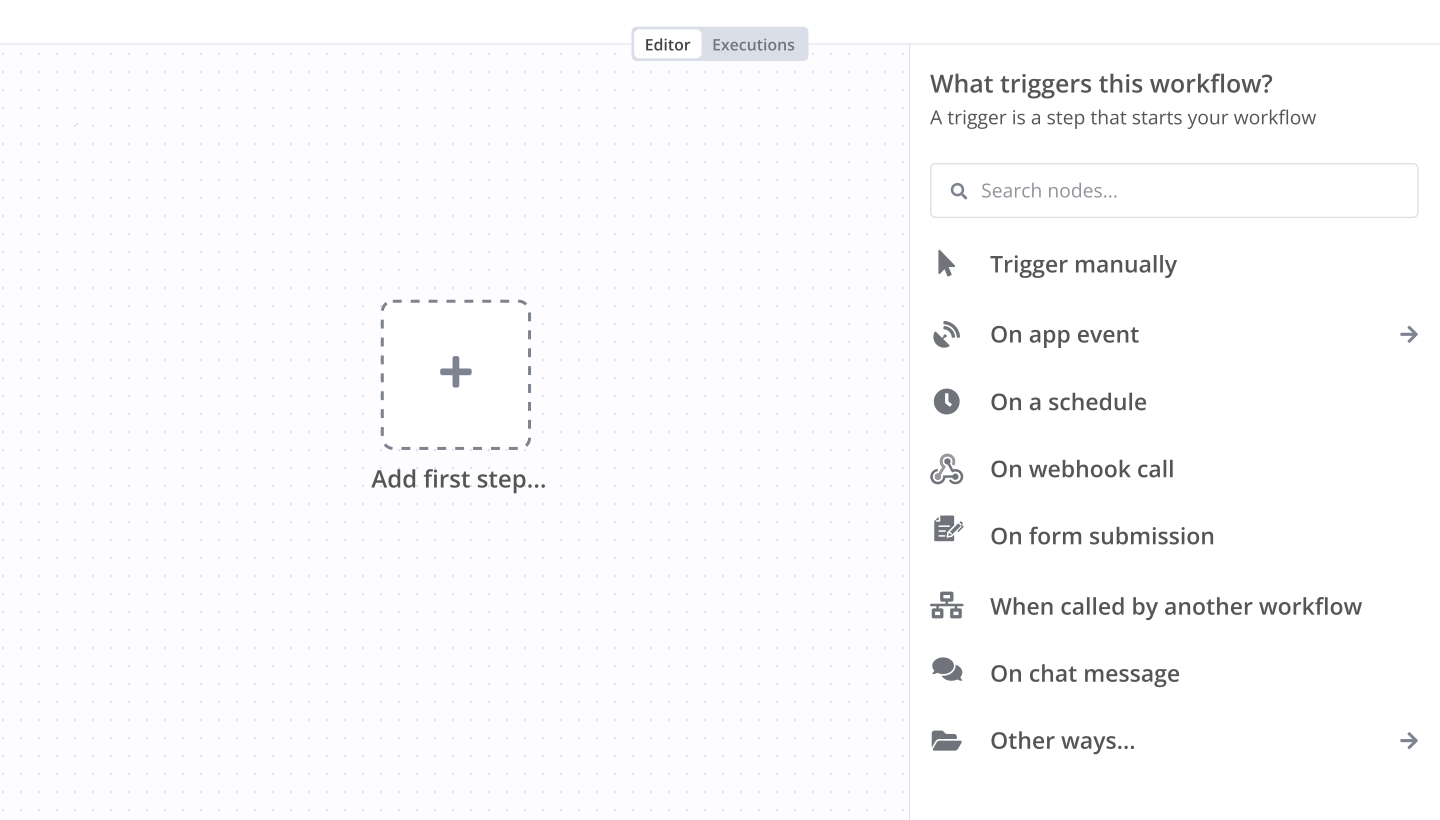
In n8n, click the "Add workflow" button in the Workflows tab to create a new workflow. Add the starting point – a trigger on when your workflow should run: an app event, a schedule, a webhook call, another workflow, an AI chat, or a manual trigger. Sometimes, the HTTP Request node might already serve as your starting point.

Google Docs and Salesforce integration: Create a new workflow and add the first step

Step 2: Add and configure Google Docs and Salesforce nodes

You can find Google Docs and Salesforce in the nodes panel. Drag them onto your workflow canvas, selecting their actions. Click each node, choose a credential, and authenticate to grant n8n access. Configure Google Docs and Salesforce nodes one by one: input data on the left, parameters in the middle, and output data on the right.

Google Docs and Salesforce integration: Add and configure Google Docs and Salesforce nodes

Step 3: Connect Google Docs and Salesforce

A connection establishes a link between Google Docs and Salesforce (or vice versa) to route data through the workflow. Data flows from the output of one node to the input of another. You can have single or multiple connections for each node.

Google Docs and Salesforce integration: Connect Google Docs and Salesforce

Step 4: Customize and extend your Google Docs and Salesforce integration

Use n8n's core nodes such as If, Split Out, Merge, and others to transform and manipulate data. Write custom JavaScript or Python in the Code node and run it as a step in your workflow. Connect Google Docs and Salesforce with any of n8n’s 1000+ integrations, and incorporate advanced AI logic into your workflows.

Google Docs and Salesforce integration: Customize and extend your Google Docs and Salesforce integration

Step 5: Test and activate your Google Docs and Salesforce workflow

Save and run the workflow to see if everything works as expected. Based on your configuration, data should flow from Google Docs to Salesforce or vice versa. Easily debug your workflow: you can check past executions to isolate and fix the mistake. Once you've tested everything, make sure to save your workflow and activate it.

Google Docs and Salesforce integration: Test and activate your Google Docs and Salesforce workflow

Generate RFP proposal drafts from Google Drive with Groq AI, Salesforce and Slack

RFP Automation Workflow with Google Drive, Groq AI (LLaMA 3), Salesforce & Slack
> Automate Your Entire RFP Lifecycle

This workflow automatically detects new RFP documents uploaded to Google Drive, extracts key requirements using Groq AI (LLaMA 3), generates a complete proposal draft, stores it in Google Docs, creates a Salesforce opportunity, assigns a review task and notifies your team via Slack.

Quick Implementation Steps

Connect your Google Drive, Groq API, Salesforce, Google Docs and Slack accounts in n8n
Set your RFP Intake Folder ID in the trigger node
Set a separate Knowledge Base folder for past proposals
Customize your company profile in the AI proposal generator node
Activate the workflow
Upload an RFP → Everything runs automatically

What It Does

This workflow fully automates the end-to-end process of handling RFP (Request for Proposal) documents. When a new file is uploaded to a specific Google Drive folder, the workflow immediately triggers and downloads the document. It then extracts text from the file and prepares structured metadata such as file name, URL and timestamp.

Using Groq-powered AI (LLaMA 3), the workflow analyzes the document and converts unstructured RFP content into structured JSON data. This includes critical fields like client name, project scope, deadlines, budget, technical requirements and evaluation criteria. The workflow ensures that even imperfect AI outputs are safely parsed and normalized.

Next, the workflow enhances proposal quality by referencing past proposals stored in a separate knowledge base folder. It then generates a complete, professional proposal draft tailored to the extracted requirements. Finally, it stores outputs in Google Docs and Salesforce, assigns a review task and notifies the team via Slack—ensuring no RFP is missed and every response is standardized.

Who It's For

IT services companies handling frequent RFP submissions
Consulting firms responding to client proposals
Digital agencies managing multiple bids
Sales and business development teams
Enterprises looking to standardize proposal creation

Requirements

To use this workflow, you need:

n8n account (self-hosted or cloud)
Google Drive account**
RFP Intake Folder
Knowledge Base Folder (past proposals)
Groq API Key**
Salesforce account**
Opportunity + Task access
Google Docs account**
Slack workspace**

How It Works & Set Up

Step 1: Google Drive Trigger Setup

Configure Watch RFP Upload Folder node
Replace with your RFP Intake Folder ID
Trigger: fileCreated

Step 2: File Processing

The workflow:
Downloads the uploaded file
Extracts text (PDF supported)
Prepares metadata (file name, ID, URL, timestamp)

Step 3: AI Requirement Extraction

Configure Groq API credentials
Model used: llama-3.3-70b-versatile
Extracts structured data such as:
Client name
Project scope
Budget & deadlines
Technical requirements

Step 4: Clean & Parse Output

Code node ensures:
JSON is valid
Markdown artifacts are removed
Fallback structure is used if parsing fails

Step 5: Knowledge Base Integration

Configure Fetch Past Proposals (KB) node
Replace with your separate Knowledge Base folder ID
Fetches previous proposal documents for reference

Step 6: AI Proposal Generation

Uses extracted requirements + KB context
Generates a full proposal with sections:
Executive Summary
Solution
Timeline
Pricing
Team
Customize company details inside prompt

Step 7: Output Storage

Saves proposal to Google Docs
Creates Salesforce Opportunity with:
Name
Deadline
Value
Description

Step 8: Task Creation & Notification

Creates a Salesforce Task for review
Sends notification to Slack channel

How To Customize Nodes

AI Nodes

Change model (e.g., Mixtral, LLaMA variants)
Adjust temperature:
0.1 → structured extraction
0.7 → creative writing

Proposal Generator

Update:
Company name
Services
Strengths
Modify proposal sections if needed

Salesforce Node

Map custom fields (e.g., Industry__c)
Adjust stage names or pipeline stages

Slack Node

Change channel (#general)
Customize notification message

Add-Ons

You can extend this workflow with:

Email notifications (Gmail/Outlook)
Approval workflows before submission
PDF export of proposal
CRM enrichment (HubSpot, Zoho)
AI scoring for win probability
Auto-deadline reminders

Use Case Examples

Automatically respond to government RFPs
IT companies generating proposals for software projects
Agencies handling multiple client bids daily
Consulting firms standardizing proposal quality
Sales teams tracking opportunities with zero manual entry

There can be many more use cases depending on your business workflow and automation needs.

Troubleshooting Guide

Issue Possible Cause Solution
Workflow not triggering Incorrect folder ID Verify Google Drive folder ID
No text extracted Unsupported file format Use PDF format
AI output parsing fails Unexpected AI response Check logs in "Clean & Parse AI Output" node
Salesforce error Missing custom fields Remove or create fields in Salesforce
Proposal not saved Google Docs credentials issue Reconnect Google Docs API
Slack message not sent Wrong channel or credentials Verify Slack integration

Need Help?

If you need help setting up, customizing or scaling this workflow, our n8n workflow development team at WeblineIndia is happy to help.

We can help you:

Customize AI prompts for your business
Integrate additional CRMs or tools
Build advanced automation pipelines
Optimize proposal quality using AI

Reach out to WeblineIndia for expert support and tailored automation solutions.

Nodes used in this workflow

Popular Google Docs and Salesforce workflows

+3

Generate RFP proposal drafts from Google Drive with Groq AI, Salesforce and Slack

RFP Automation Workflow with Google Drive, Groq AI (LLaMA 3), Salesforce & Slack > Automate Your Entire RFP Lifecycle This workflow automatically detects new RFP documents uploaded to Google Drive, extracts key requirements using Groq AI (LLaMA 3), generates a complete proposal draft, stores it in Google Docs, creates a Salesforce opportunity, assigns a review task and notifies your team via Slack. Quick Implementation Steps Connect your Google Drive, Groq API, Salesforce, Google Docs and Slack accounts in n8n Set your RFP Intake Folder ID in the trigger node Set a separate Knowledge Base folder for past proposals Customize your company profile in the AI proposal generator node Activate the workflow Upload an RFP → Everything runs automatically What It Does This workflow fully automates the end-to-end process of handling RFP (Request for Proposal) documents. When a new file is uploaded to a specific Google Drive folder, the workflow immediately triggers and downloads the document. It then extracts text from the file and prepares structured metadata such as file name, URL and timestamp. Using Groq-powered AI (LLaMA 3), the workflow analyzes the document and converts unstructured RFP content into structured JSON data. This includes critical fields like client name, project scope, deadlines, budget, technical requirements and evaluation criteria. The workflow ensures that even imperfect AI outputs are safely parsed and normalized. Next, the workflow enhances proposal quality by referencing past proposals stored in a separate knowledge base folder. It then generates a complete, professional proposal draft tailored to the extracted requirements. Finally, it stores outputs in Google Docs and Salesforce, assigns a review task and notifies the team via Slack—ensuring no RFP is missed and every response is standardized. Who It's For IT services companies handling frequent RFP submissions Consulting firms responding to client proposals Digital agencies managing multiple bids Sales and business development teams Enterprises looking to standardize proposal creation Requirements To use this workflow, you need: n8n account (self-hosted or cloud) Google Drive account** RFP Intake Folder Knowledge Base Folder (past proposals) Groq API Key** Salesforce account** Opportunity + Task access Google Docs account** Slack workspace** How It Works & Set Up Step 1: Google Drive Trigger Setup Configure Watch RFP Upload Folder node Replace with your RFP Intake Folder ID Trigger: fileCreated Step 2: File Processing The workflow: Downloads the uploaded file Extracts text (PDF supported) Prepares metadata (file name, ID, URL, timestamp) Step 3: AI Requirement Extraction Configure Groq API credentials Model used: llama-3.3-70b-versatile Extracts structured data such as: Client name Project scope Budget & deadlines Technical requirements Step 4: Clean & Parse Output Code node ensures: JSON is valid Markdown artifacts are removed Fallback structure is used if parsing fails Step 5: Knowledge Base Integration Configure Fetch Past Proposals (KB) node Replace with your separate Knowledge Base folder ID Fetches previous proposal documents for reference Step 6: AI Proposal Generation Uses extracted requirements + KB context Generates a full proposal with sections: Executive Summary Solution Timeline Pricing Team Customize company details inside prompt Step 7: Output Storage Saves proposal to Google Docs Creates Salesforce Opportunity with: Name Deadline Value Description Step 8: Task Creation & Notification Creates a Salesforce Task for review Sends notification to Slack channel How To Customize Nodes AI Nodes Change model (e.g., Mixtral, LLaMA variants) Adjust temperature: 0.1 → structured extraction 0.7 → creative writing Proposal Generator Update: Company name Services Strengths Modify proposal sections if needed Salesforce Node Map custom fields (e.g., Industry__c) Adjust stage names or pipeline stages Slack Node Change channel (#general) Customize notification message Add-Ons You can extend this workflow with: Email notifications (Gmail/Outlook) Approval workflows before submission PDF export of proposal CRM enrichment (HubSpot, Zoho) AI scoring for win probability Auto-deadline reminders Use Case Examples Automatically respond to government RFPs IT companies generating proposals for software projects Agencies handling multiple client bids daily Consulting firms standardizing proposal quality Sales teams tracking opportunities with zero manual entry There can be many more use cases depending on your business workflow and automation needs. Troubleshooting Guide | Issue | Possible Cause | Solution | |------|--------------|---------| | Workflow not triggering | Incorrect folder ID | Verify Google Drive folder ID | | No text extracted | Unsupported file format | Use PDF format | | AI output parsing fails | Unexpected AI response | Check logs in "Clean & Parse AI Output" node | | Salesforce error | Missing custom fields | Remove or create fields in Salesforce | | Proposal not saved | Google Docs credentials issue | Reconnect Google Docs API | | Slack message not sent | Wrong channel or credentials | Verify Slack integration | Need Help? If you need help setting up, customizing or scaling this workflow, our n8n workflow development team at WeblineIndia is happy to help. We can help you: Customize AI prompts for your business Integrate additional CRMs or tools Build advanced automation pipelines Optimize proposal quality using AI Reach out to WeblineIndia for expert support and tailored automation solutions.

Build your own Google Docs and Salesforce integration

Create custom Google Docs and Salesforce workflows by choosing triggers and actions. Nodes come with global operations and settings, as well as app-specific parameters that can be configured. You can also use the HTTP Request node to query data from any app or service with a REST API.

Google Docs supported actions

Create
Get
Update

Salesforce supported actions

Add Note
Add note to an account
Create
Create an account
Create or Update
Create a new account, or update the current one if it already exists (upsert)
Delete
Delete an account
Get
Get an account
Get Many
Get many accounts
Get Summary
Returns an overview of account's metadata
Update
Update an account
Create
Create a attachment
Delete
Delete a attachment
Get
Get a attachment
Get Many
Get many attachments
Get Summary
Returns an overview of attachment's metadata
Update
Update a attachment
Add Comment
Add a comment to a case
Create
Create a case
Delete
Delete a case
Get
Get a case
Get Many
Get many cases
Get Summary
Returns an overview of case's metadata
Update
Update a case
Add Contact To Campaign
Add contact to a campaign
Add Note
Add note to a contact
Create
Create a contact
Create or Update
Create a new contact, or update the current one if it already exists (upsert)
Delete
Delete a contact
Get
Get a contact
Get Many
Get many contacts
Get Summary
Returns an overview of contact's metadata
Update
Update a contact
Create
Create a custom object record
Create or Update
Create a new record, or update the current one if it already exists (upsert)
Delete
Delete a custom object record
Get
Get a custom object record
Get Many
Get many custom object records
Update
Update a custom object record
Upload
Upload a document
Get Many
Get many flows
Invoke
Invoke a flow
Add Lead To Campaign
Add lead to a campaign
Add Note
Add note to a lead
Create
Create a lead
Create or Update
Create a new lead, or update the current one if it already exists (upsert)
Delete
Delete a lead
Get
Get a lead
Get Many
Get many leads
Get Summary
Returns an overview of Lead's metadata
Update
Update a lead
Add Note
Add note to an opportunity
Create
Create an opportunity
Create or Update
Create a new opportunity, or update the current one if it already exists (upsert)
Delete
Delete an opportunity
Get
Get an opportunity
Get Many
Get many opportunities
Get Summary
Returns an overview of opportunity's metadata
Update
Update an opportunity
Query
Execute a SOQL query that returns all the results in a single response
Create
Create a task
Delete
Delete a task
Get
Get a task
Get Many
Get many tasks
Get Summary
Returns an overview of task's metadata
Update
Update a task
Get
Get a user
Get Many
Get many users

FAQs

  • Can Google Docs connect with Salesforce?

  • Can I use Google Docs’s API with n8n?

  • Can I use Salesforce’s API with n8n?

  • Is n8n secure for integrating Google Docs and Salesforce?

  • How to get started with Google Docs and Salesforce integration in n8n.io?

Looking to integrate Google Docs and Salesforce in your company?

Over 3000 companies switch to n8n every single week

Why use n8n to integrate Google Docs with Salesforce

Build complex workflows, really fast

Build complex workflows, really fast

Handle branching, merging and iteration easily.
Pause your workflow to wait for external events.

Code when you need it, UI when you don't

Simple debugging

Your data is displayed alongside your settings, making edge cases easy to track down.

Use templates to get started fast

Use 1000+ workflow templates available from our core team and our community.

Reuse your work

Copy and paste, easily import and export workflows.

Implement complex processes faster with n8n

red iconyellow iconred iconyellow icon